I converted an AI model for Blender using these 5 tools
I’m a 3D artist who often receives AI-generated models that need to be ready for Blender or Maya. In this post, I share the top tools to convert them into compatible formats quickly.
Here’s a curated list of the top AI model conversion tools that seamlessly export to Blender or Maya formats.
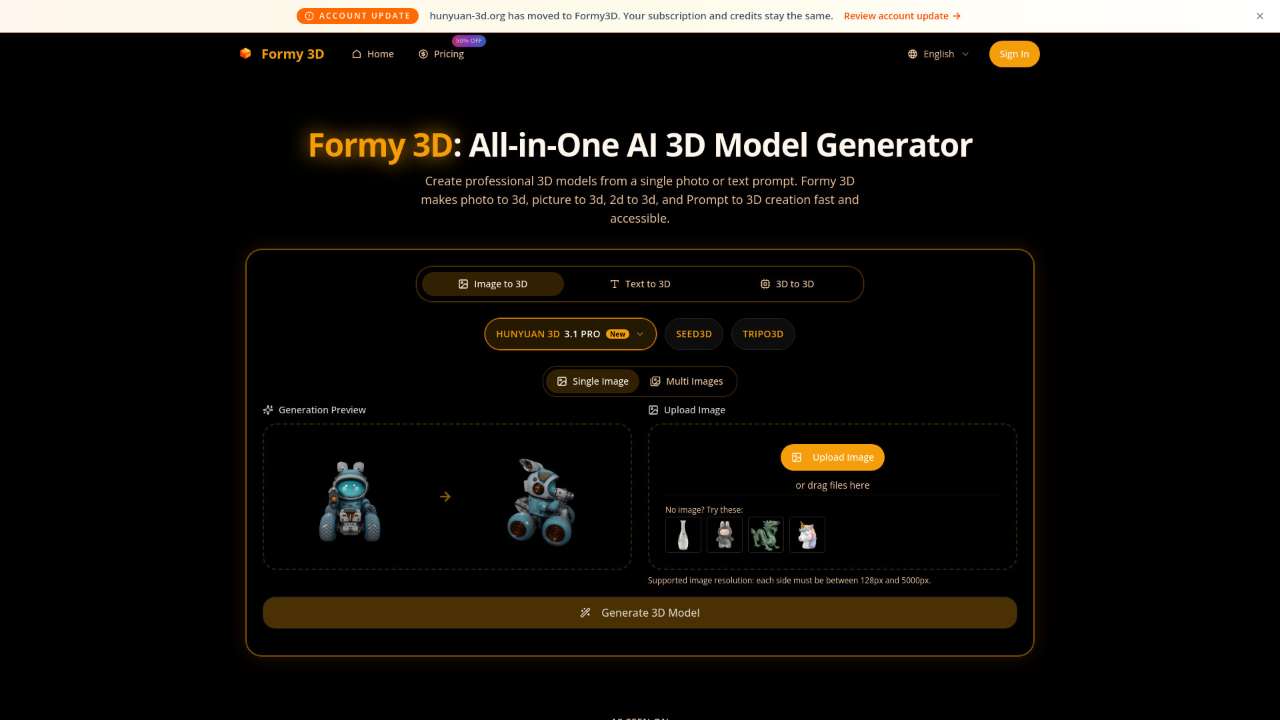
Formy 3D turns text prompts and images into ready‑to‑use 3D assets, making it a top choice for designers who need quick turnarounds. Its AI‑driven decomposition ensures realistic geometry.
Its integration layers for Blender make exporting a breeze. Check out Formy 3D.
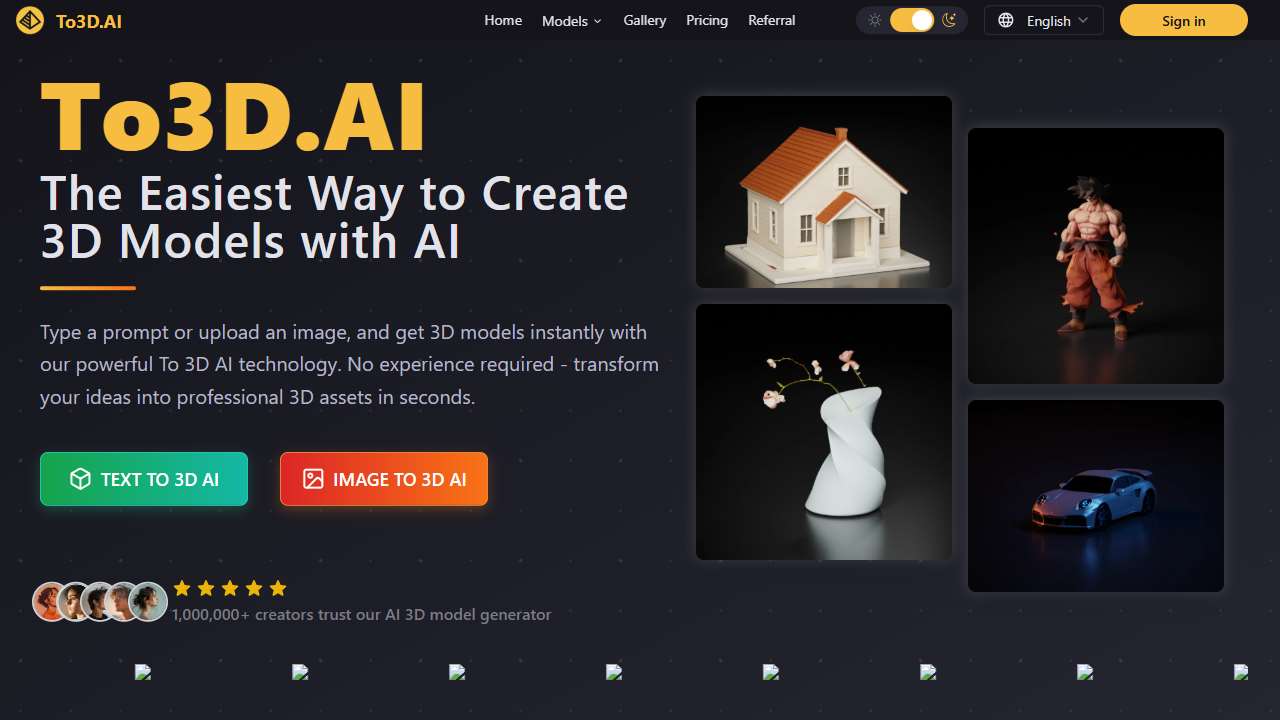
To3D.AI instantly generates detailed 3D models from text or images, cutting down days of manual modeling into minutes. Its real‑time preview feature guarantees production‑ready results.
Ideal for illustrators and game designers looking for rapid prototyping. Visit To3D.AI.
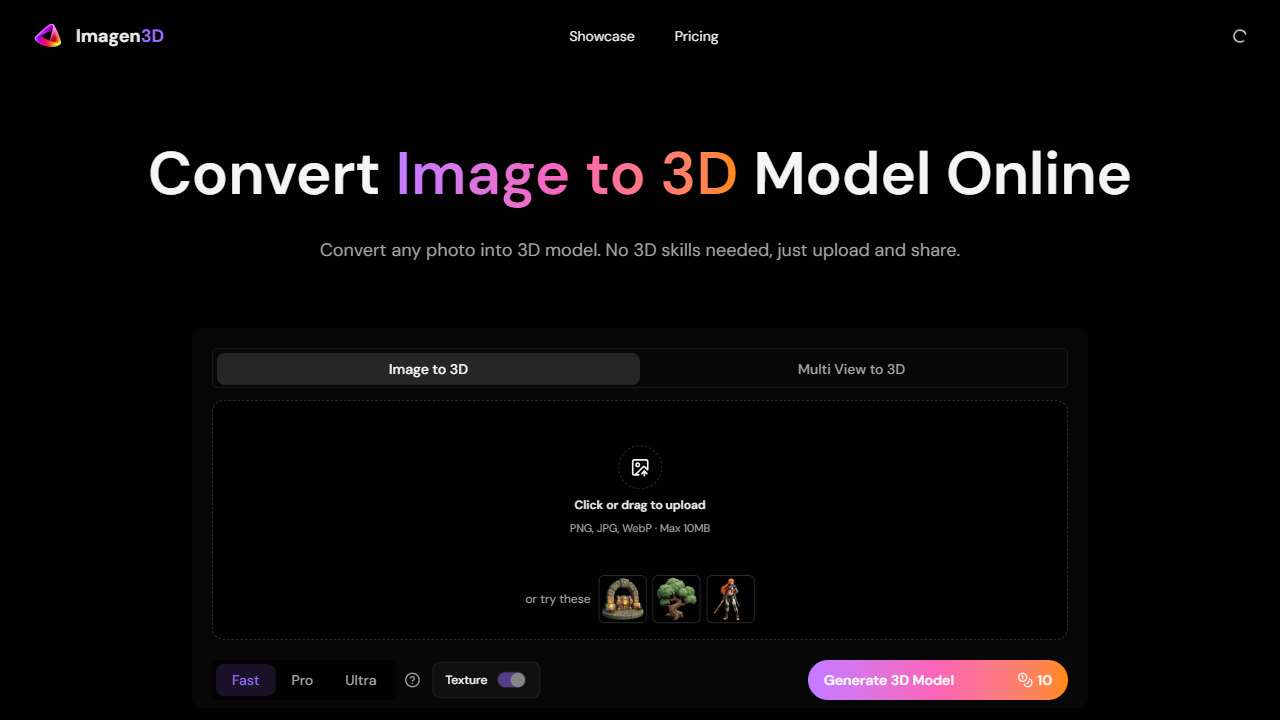
Imagen3D excels at converting photographs into high‑quality 3D models with smooth textures, perfect for architectural visualizations. Its fine‑grained texture mapping keeps material fidelity intact.
Suitable for studios seeking photorealistic assets from single images. Explore Imagen3D.
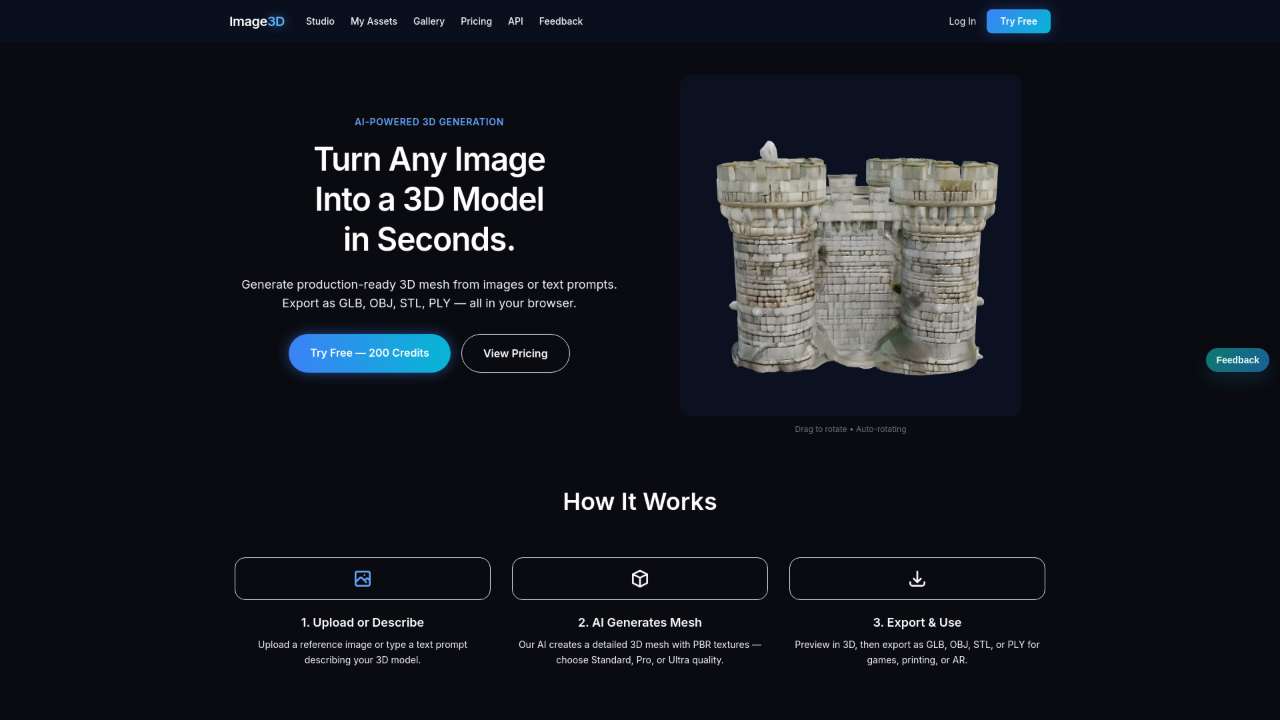
Image3D combines text and image inputs with AI to generate meshes that support PBR workflows, streamlining production for digital artists. Its built‑in texture pipeline reduces post‑processing time.
Best for artists who need high‑quality materials automatically. Learn more at Image3D.
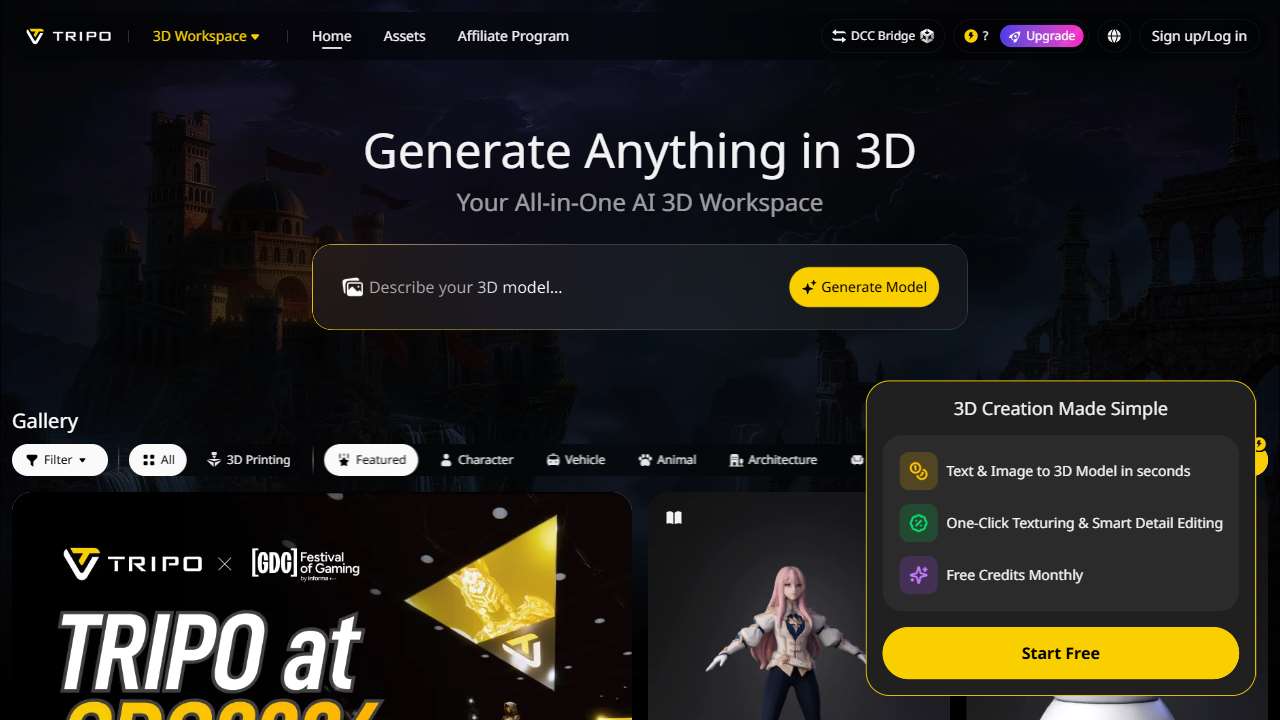
Tripo AI delivers versatile 3D assets from simple prompts, and its output meshes are compatible with both Maya and Blender. Its API integration lets studios automate batch conversions.
Perfect for pipeline developers looking to scale AI‑generated content. Try Tripo AI.
With these tools at your disposal, you can accelerate your 3D workflow and bring AI‑generated assets to life within your favorite 3D software.