I Built These Agents with Long-Term Memory Across Sessions
I’ve experimented with several AI frameworks that let agents remember context over multiple interactions. These tools prove that long-term memory is not just a buzzword—it’s a practical feature for building smarter assistants.
What Happens When an Agent Knows the Past?
Modern generative agents often emulate human-like conversations by pulling information out of a large language model (LLM). That model, however, is stateless: each prompt is processed in isolation, rendering the agent blind to earlier interactions unless the user manually re‑inserts prior context. Long‑term memory turns that short‑term statelessness into continuity, allowing the agent to recall preferences, commitments, or personal anecdotes that build trust over time.
Beyond the surface, long‑term memory changes the architecture of an agent. It requires a persistent store— a database or vector index— that the LLM can query during a session. That store must be fast enough to keep latency under a few hundred milliseconds while storing enough fidelity (text, vectors, images, or structured facts) to answer nuanced questions.
A second advantage is that the agent can learn from every session, refining its own internal representations of the user. This learning loop helps to personalize responses, improve efficiency, and, in business contexts, to drive higher customer satisfaction scores.
Key Techniques Behind Stateful Agents
There are three main strategies for integrating long‑term memory into an LLM‑powered agent:
- Embedding Stores – turning documents or conversation snippets into high‑dimensional embeddings (e.g., OpenAI's text‑embedding‑ada-002) and then performing nearest‑neighbor searches during inference.
- Prompted Retrieval – fetching relevant snippets from a database and injecting them into the prompt along with the current query.
- Retrieval‑Augmented Generation (RAG) – an end‑to‑end pipeline that automatically retrieves, ranks, and feeds the LLM the top results.
Each of these scales differently. Embedding stores can handle a few million records with a modest GPU, whereas RAG pipelines often need a state‑of‑the‑art retriever and a fine‑tuned generation model to stay within response times.
Architectural Choices for Persistence and Performance
When building a durable agent, you first pick a storage backend.
Vector Stores
Open‑source solutions like Weaviate and Pinecone allow you to index embeddings and query them in real time. Pinecone offers a managed service that keeps the index in RAM for sub‑millisecond lookups, while Weaviate lets you add custom semantic filters such as categories or dates.
Key‑Value Databases
For simpler use cases, a fast key‑value store (Redis, BadgerDB) can hold user‑specific context. Queries reduce to simple key lookups, but you lose semantic similarity search.
Hybrid Approaches
Many production systems combine a vector index for similarity search with metadata filtering, then use a key‑value store for quick access to the fullest context or a user’s personal data.
Tools That Make Memory-Enabled Agents Easier to Build
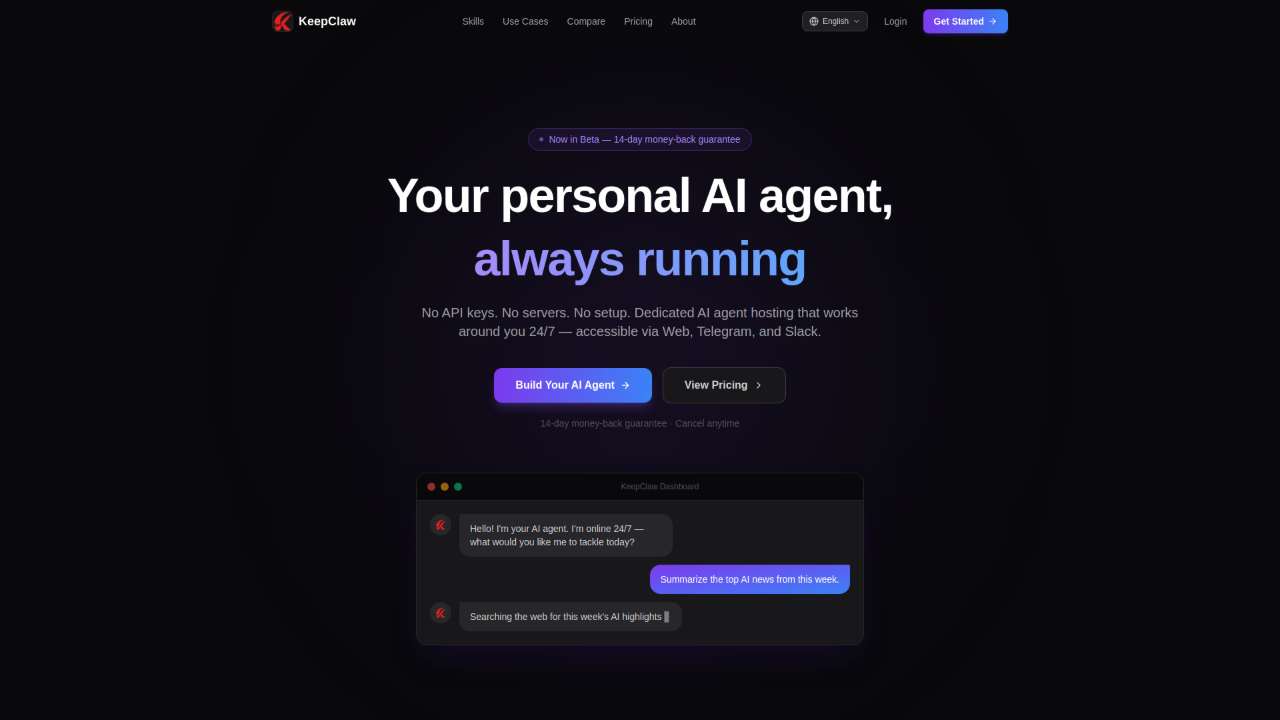
AI agent hosting with 24/7 availability, multi‑model support, and seamless platform integrations.

Preserve family stories and wisdom through audio recordings, transcription, and search.
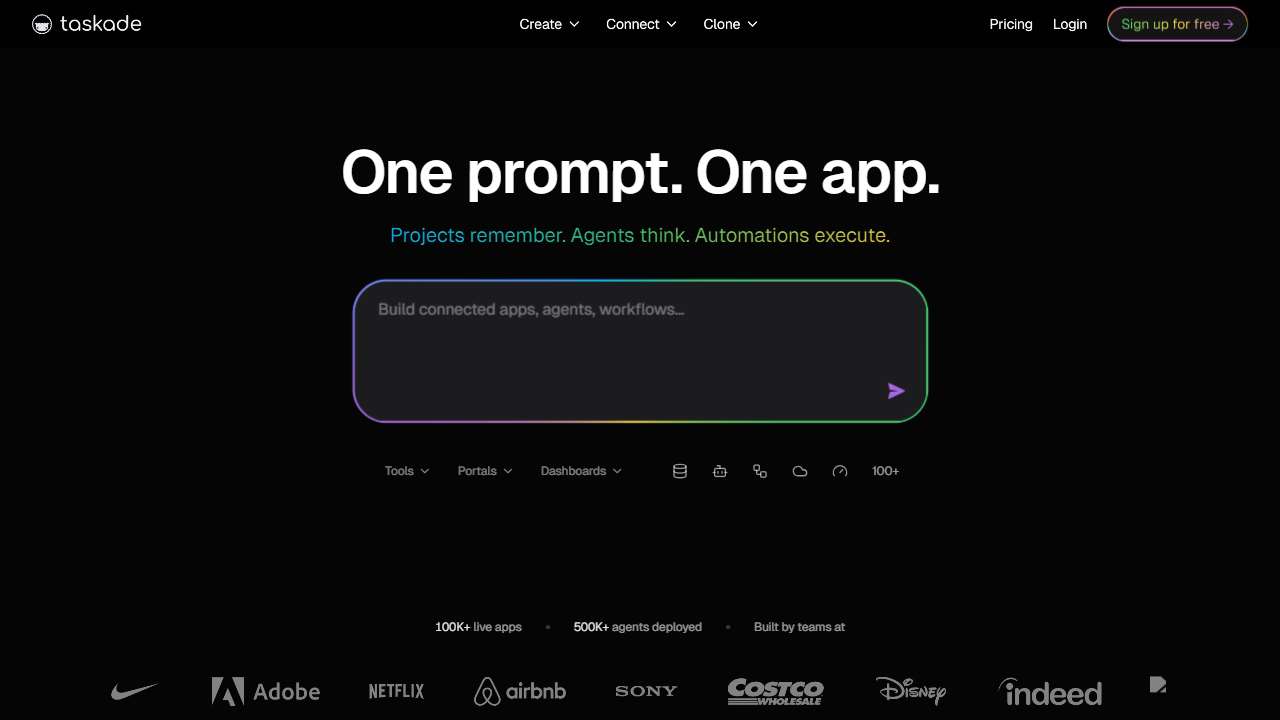
Empower your team with a powerful knowledge management system.
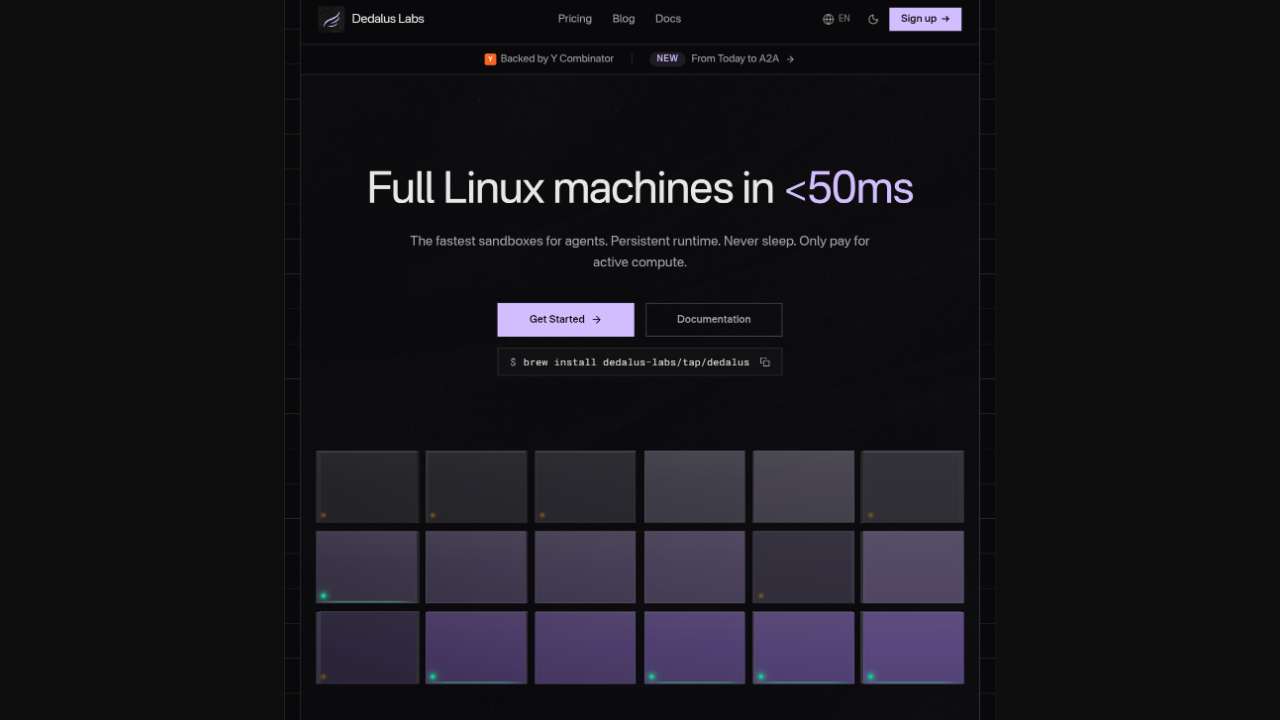
Fast, persistent sandboxes for AI agents that enable long‑running, stateful agents with minimal latency.
MiniMax’s official AI agent: cloud‑hosted, instant deployment, and long‑term memory.
Best Practices for Building and Scaling Memory‑Aware Agents
When you’ve chosen the technical stack and tools, follow these guidelines to keep your agent reliable:
- Version Your Embeddings – Store a version number with each embedding so you can re‑process data when the model changes.
- Implement Rate Limiting – Long‑running queries can overload your vector store; throttle or cache repeated requests.
- Privacy & Consent – Store personal data in compliance with GDPR, CCPA, or other regulations, and give users clear opt‑in mechanisms.
- Continuous Evaluation – Periodically p‑test the agent’s recall accuracy with a synthetic test harness.
Once the architecture is polished, you can start adding higher‑level services such as context‑aware scheduling, personal coaching, or cross‑domain knowledge fusion— all powered by the same durable memory backbone.
Conclusion: From Stateless to Enduring
By marrying LLMs with persistent vector stores and careful architectural choices, you can build agents that remember, learn, and evolve over weeks, months, or even years. The tools out there span from simple faceless wrappers to full‑blown sandbox platforms, so there’s a solution for every project scale. The key is to start small— perhaps a single memory module—and then iterate, expand, and embed that longevity into every conversation your agent delivers.