I tested 10 AI tools for handling errors of agents
I’ve scoured 10 AI tools to help agents gracefully handle unexpected situations. These solutions monitor errors, provide fallbacks, and keep conversations seamless.
Understanding Agent Error Handling
In the world of conversational AI, agents are expected to provide smooth and reliable interactions. When an unexpected situation arises—such as a network timeout, missing data, or a malformed user request—the agent must recognize the problem and recover gracefully. Failure to do so can result in poor user experience, frustration, and lost trust.
Effective error handling starts with early detection. Monitoring tools that capture stack traces, request logs, or user feedback can identify anomalies before they cascade into larger problems. Once an error is detected, an agent should employ a fallback strategy: offering alternative prompts, retrying a new route, or redirecting to a human representative when necessary.
Designing these fallback pathways involves both software architecture and natural language nuance. An agent should understand when a fallback is appropriate—such as when an evergreen question is beyond the scope of its training data—and present remedies with empathy. This creates a cycle of continuous improvement, allowing the agent to learn from failures and reduce future incidents.
Proactive Monitoring & Detection Tools
To prevent unexpected errors from reaching users, it’s essential to set up a robust monitoring stack. Tools like Honeybadger, Errbit, BugSnag, and Raygun provide real‑time alerting and aggregation of crash data. By integrating these services into your deployment pipeline, you can automatically capture exceptions, send notifications to your dev team, and drill down into the root cause.
Key Features of Monitoring Solutions
- Real‑time error dashboards with instant updates.
- Contextual stack traces linked to commits and releases.
- Custom alert rules based on severity and frequency.
- Analytics that correlate errors with user metrics.
Choosing the right detector depends on your stack and budget. Some solutions are free or offer trial periods, while others require contact for pricing. Regardless of cost, the primary goal is to surface errors early enough that you can prevent downtime or degraded service.
Automated Fixes & Recovery Options
Once an error is detected, the next step is recovering automatically. Automated test case generation, as offered by Assert AI, lets you generate scenarios that can mimic real user interactions and surface hidden bugs before they reach production. Coupled with continuous integration pipelines, this ensures that any new code change passes through a battery of checks that trigger early rollback if necessary.
For errors that involve AI-generated text, Autoblocks AI and Excuses AI provide post‑generation correction. Autoblocks AI scans output and flags contradictions or hallucinations, while Excuses AI can generate plausible apologies that smooth the user experience during a hiccup. These tools complement fallbacks: instead of a plain “I’m sorry, I don’t understand,” the agent can offer a personalized apology that maintains brand tone.
Beyond textual fixes, agents often need to hand off more complex problems to human teams. Engaige AI Agent Assist is specifically designed to bridge this gap for customer support workflows. By automating ticket creation and response drafting, it reduces wait times and ensures that issues are logged correctly, accelerating resolution.
Choosing the Right Tool for Your Workflow
Below is a curated list of the top 10 tools for handling agent errors and falls back. Select the mix that aligns with your technical stack, team expertise, and budget constraints.
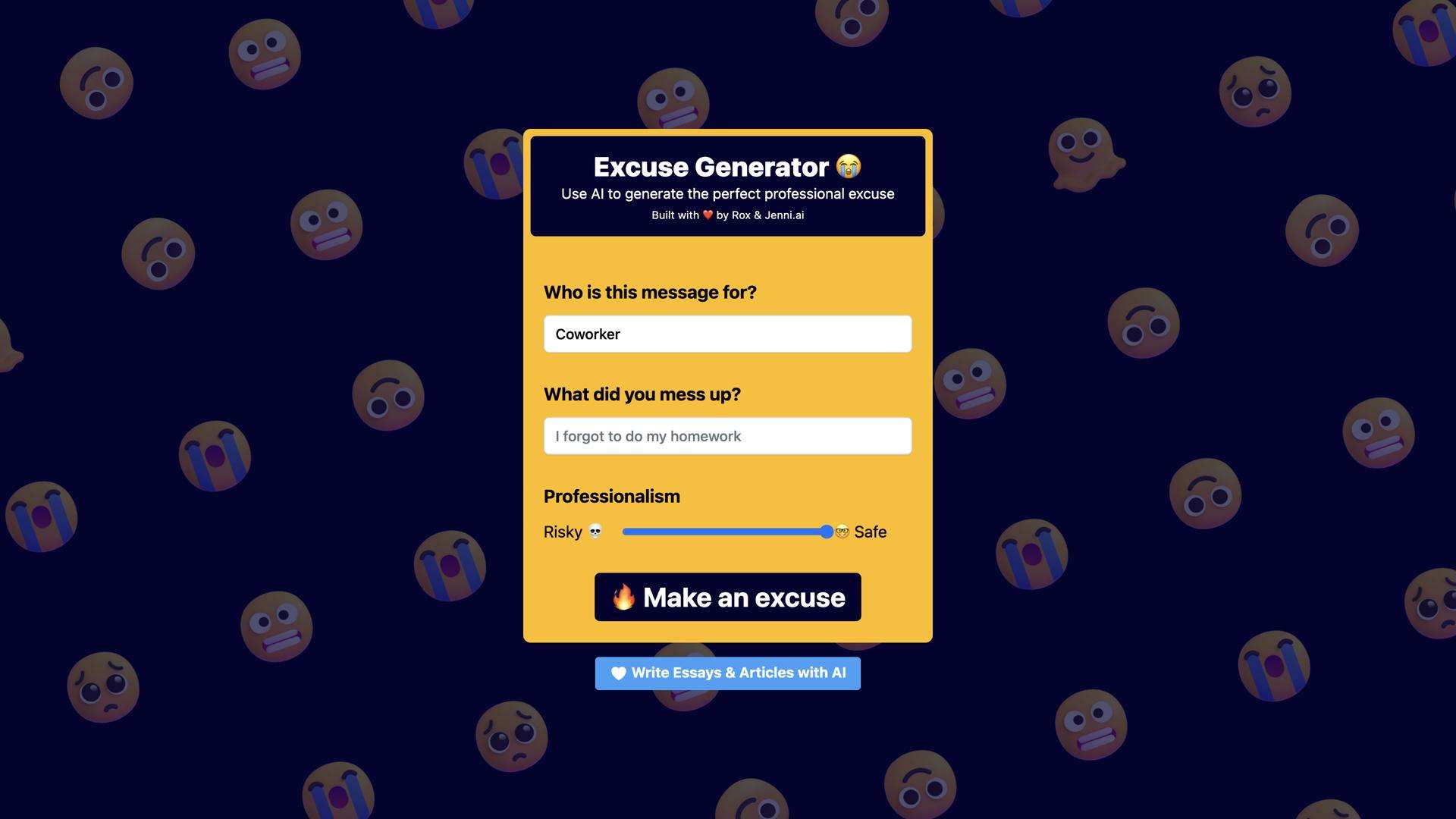
Excuses AI: Generate professional excuses instantly with AI.
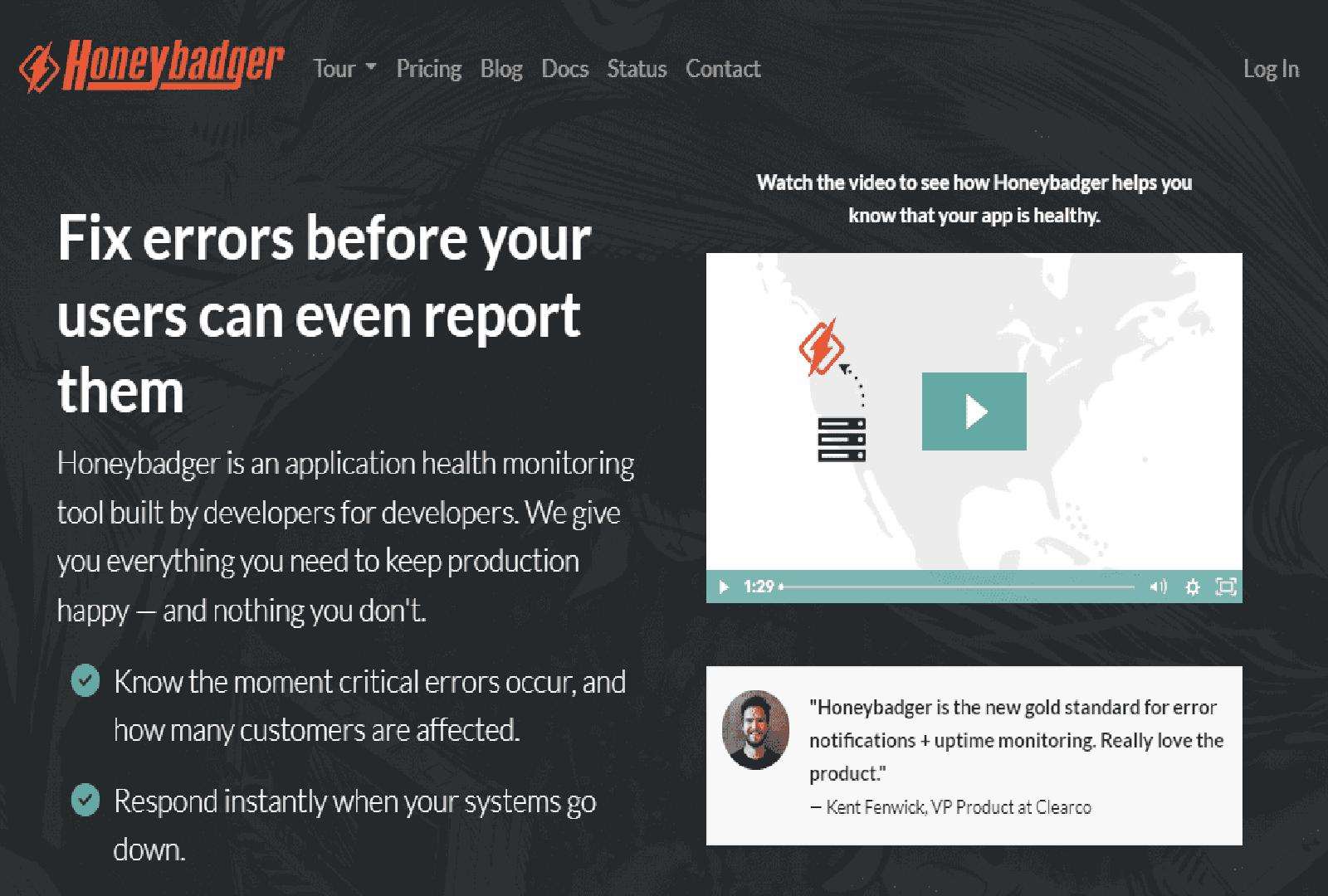
Honeybadger: Monitor and alert on errors in your applications, ensuring smooth performance and quick issue resolution.
Automates test case generation, bug detection, and provides valuable insights.
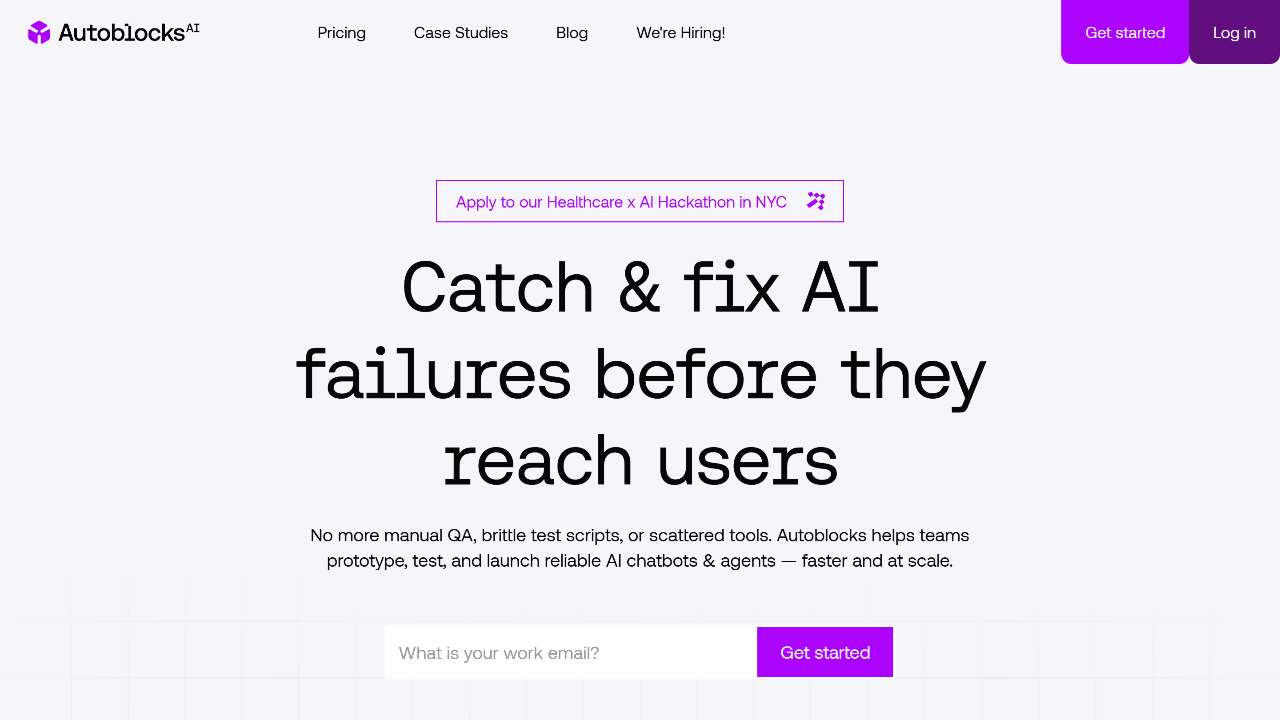
Helps identify and correct errors in AI-generated text.

AI-powered tool to automate customer support tasks, including ticket resolution and response drafting.
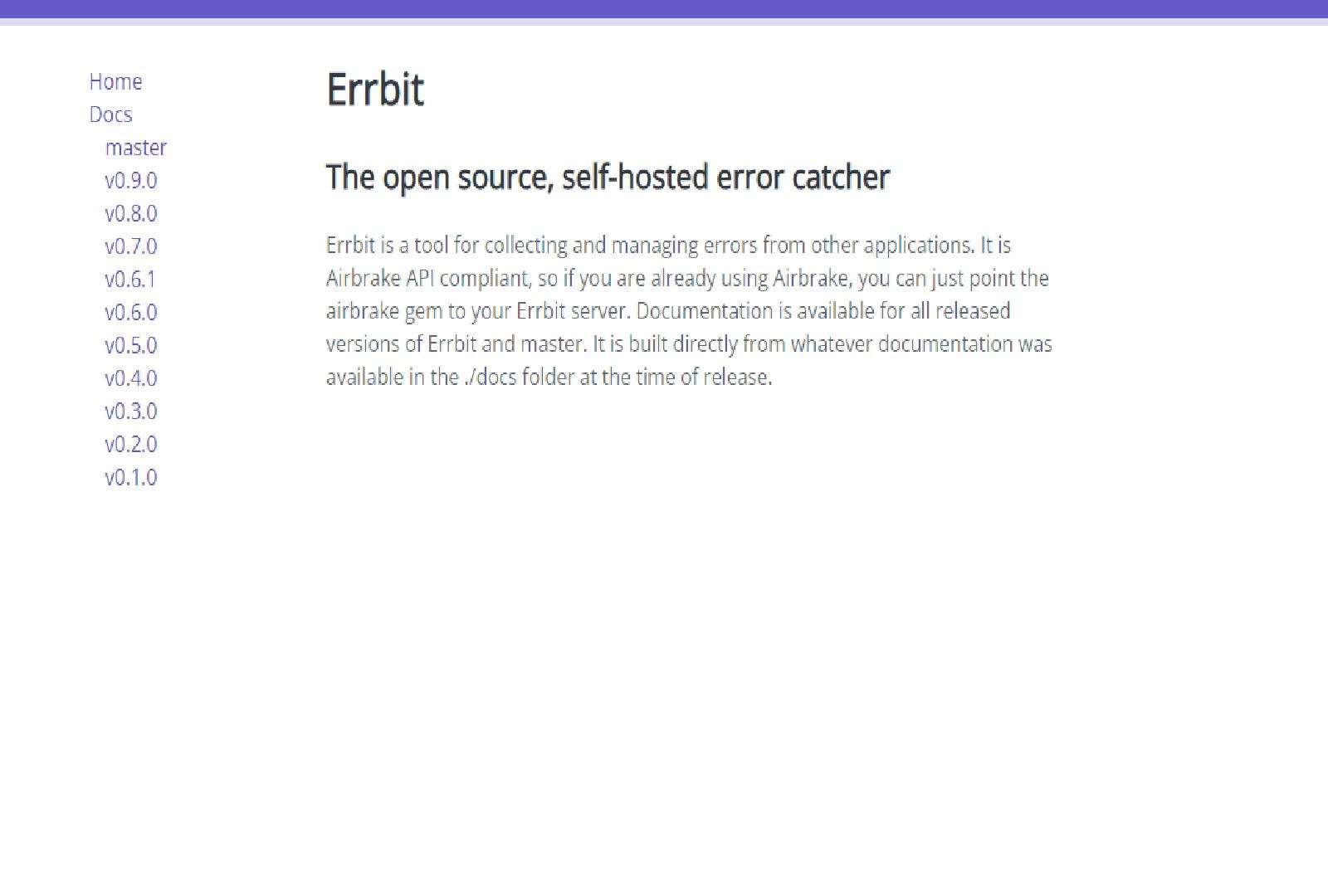
Errbit: Real-time error tracking and management for faster software issue resolution.
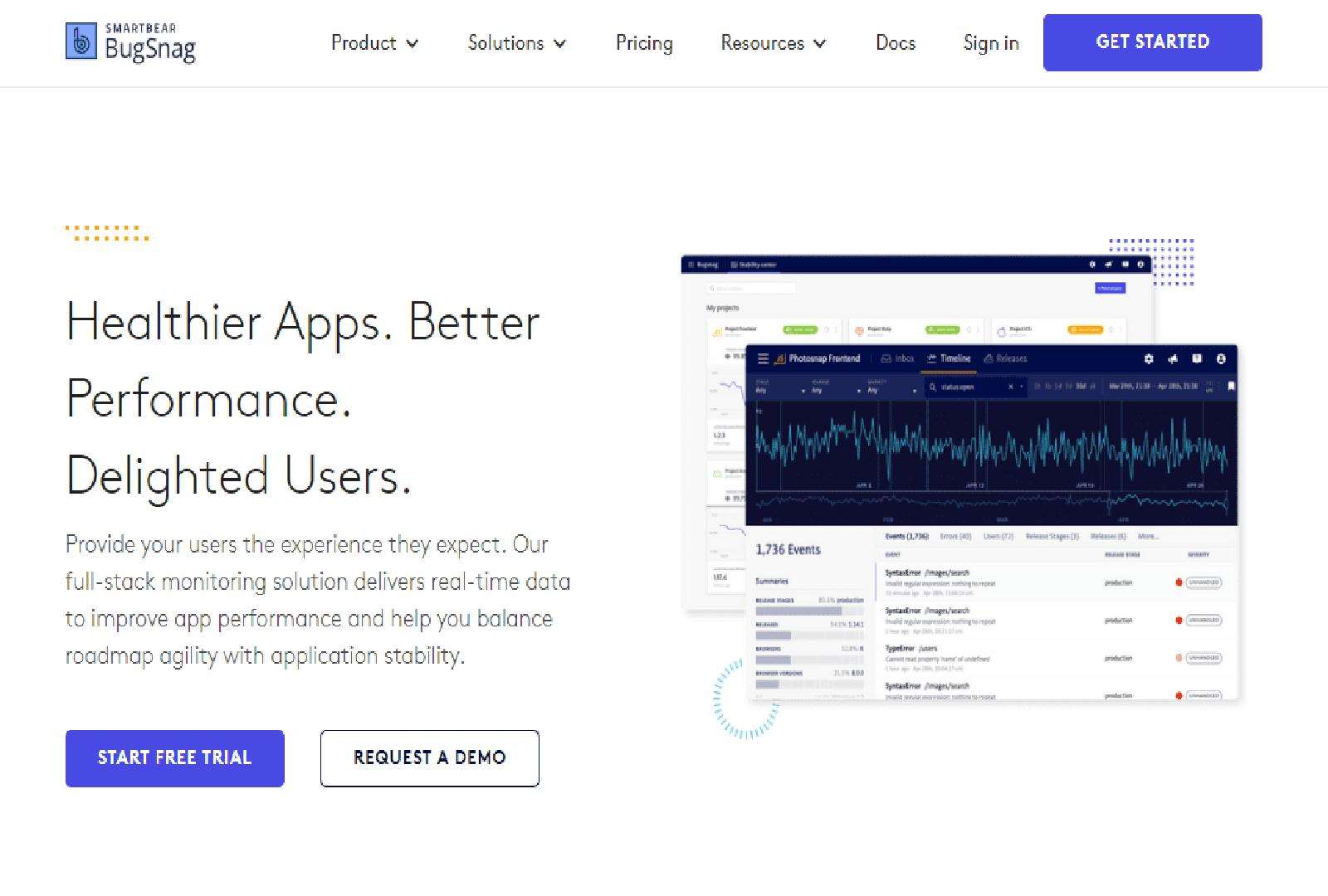
BugSnag: Powerful tool for tracking, monitoring, and fixing software bugs quickly.
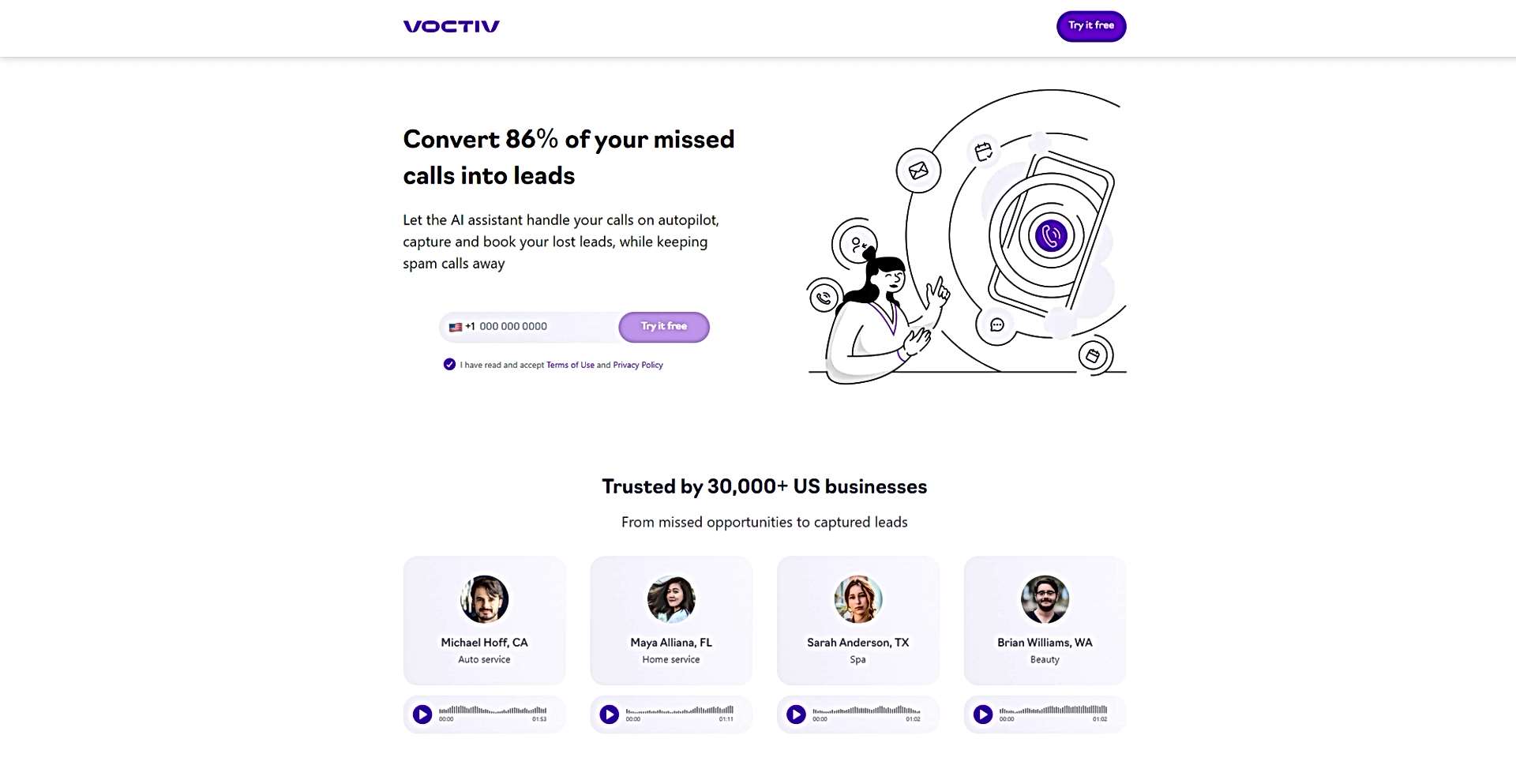
Convert missed calls into leads, block spam, and automate appointments.

Fallcha AI Onboarding Plans: Streamline employee onboarding with AI-powered, customized journeys.

Raygun: Automated error tracking and crash reporting for efficient software maintenance and faster issue resolution.
Conclusion
Handling agent errors and designing reliable fallbacks is no longer optional; it’s a cornerstone of user trust and operational excellence. By combining proactive monitoring, automated fixes, and human‑in‑the‑loop support, you can turn potential failures into seamless experiences. Pick the tools that fit your workflow, integrate them early, and keep refining your error‑handling strategies—your users and your business will thank you.