I found AI chatbots for medical and legal sectors
I’ve been on the hunt for industry-specific AI assistants and uncovered a range of solutions tailored for healthcare and law. Ready to see which tools fit your needs?
Introduction
Artificial intelligence has moved from being a luxury to becoming an essential tool in many industries. When it comes to specialized verticals, such as healthcare and law, the need for reliable, compliant, and domain‑specific assistance has never been greater. Each sector has its own regulatory constraints, data sensitivity, and user expectations. Fortunately, the AI chatbot space has grown beyond generic assistants to accommodate these niche requirements through tailored features, data governance, and domain knowledge.
In this article we explore the most prominent AI chatbots designed specifically for the medical and legal domains, evaluate their offerings, and provide a practical guide to selecting the right solution for your organization.
Medical‑Sector Chatbots: The Core Players
The healthcare industry benefits from chatbots that can handle symptom checking, patient triage, and even facilitate longitudinal monitoring. The key to success in this sector is adherence to privacy regulations such as HIPAA, GDPR, or equivalent local legislation, as well as the ability to integrate with electronic health records (EHRs) and clinical decision support systems.
Below you will find a comprehensive list of the most frequently recommended medical chatbots, each uniquely positioned to address different aspects of patient care, clinical workflows, and patient engagement.
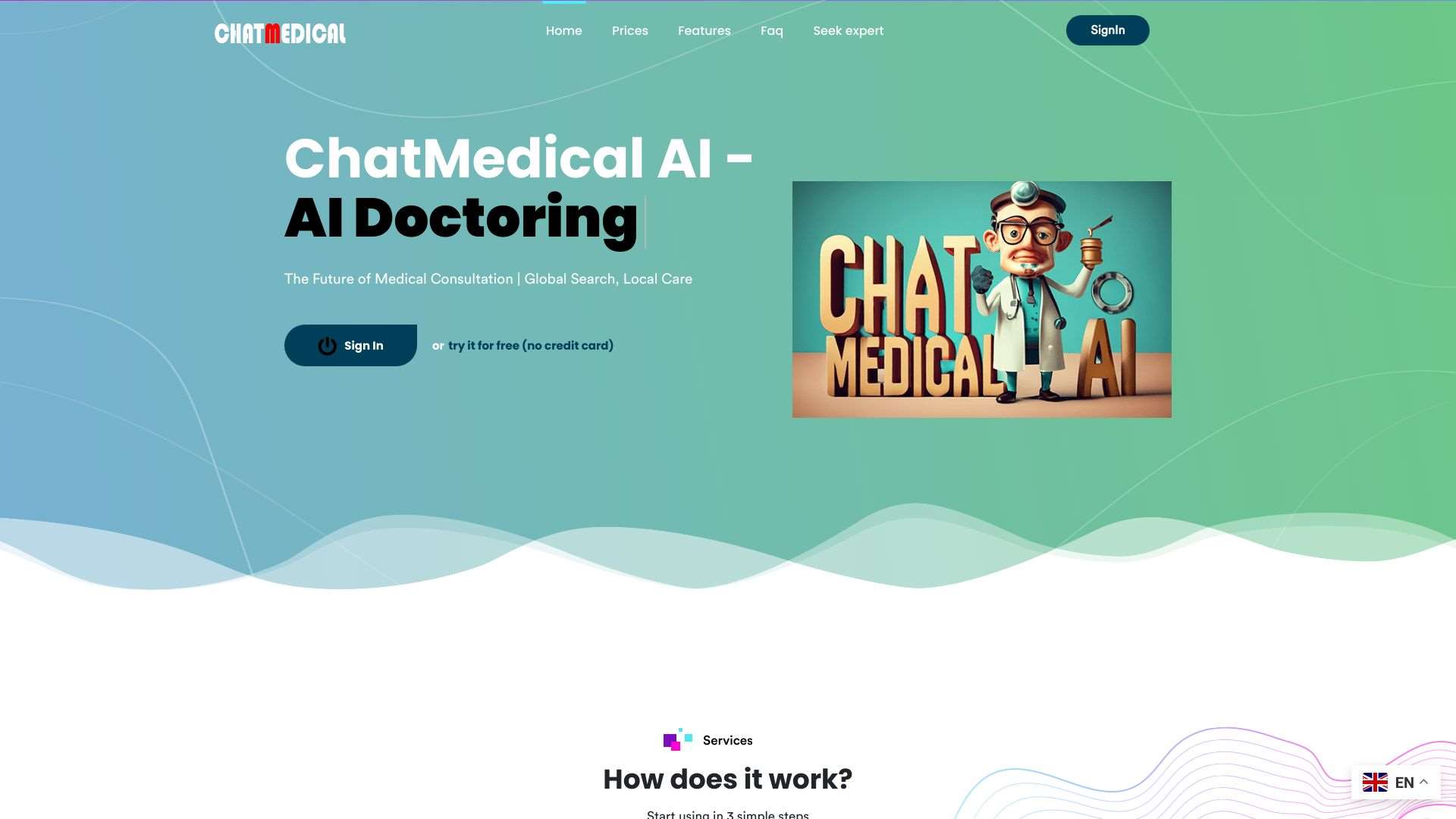
AI-powered platform for integrated global search, local care, and specialized medical consultations.
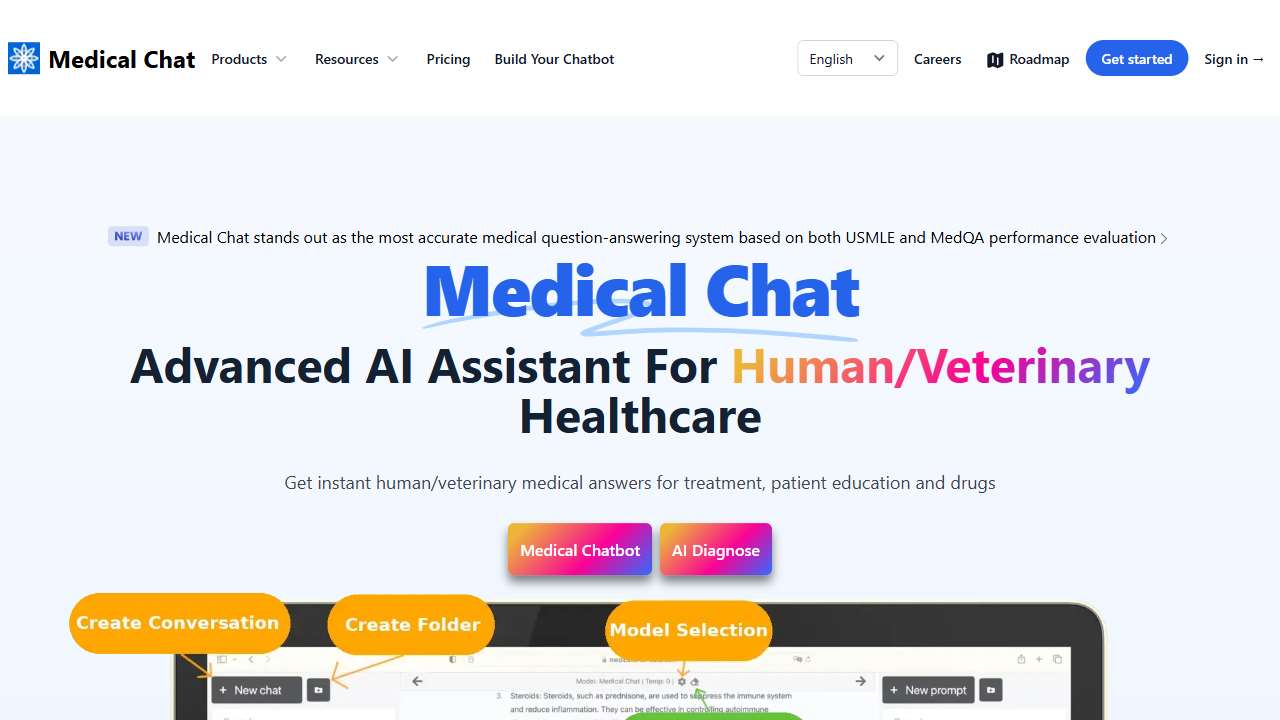
AI-powered chatbot for healthcare professionals and patients, offering quick medical assistance.
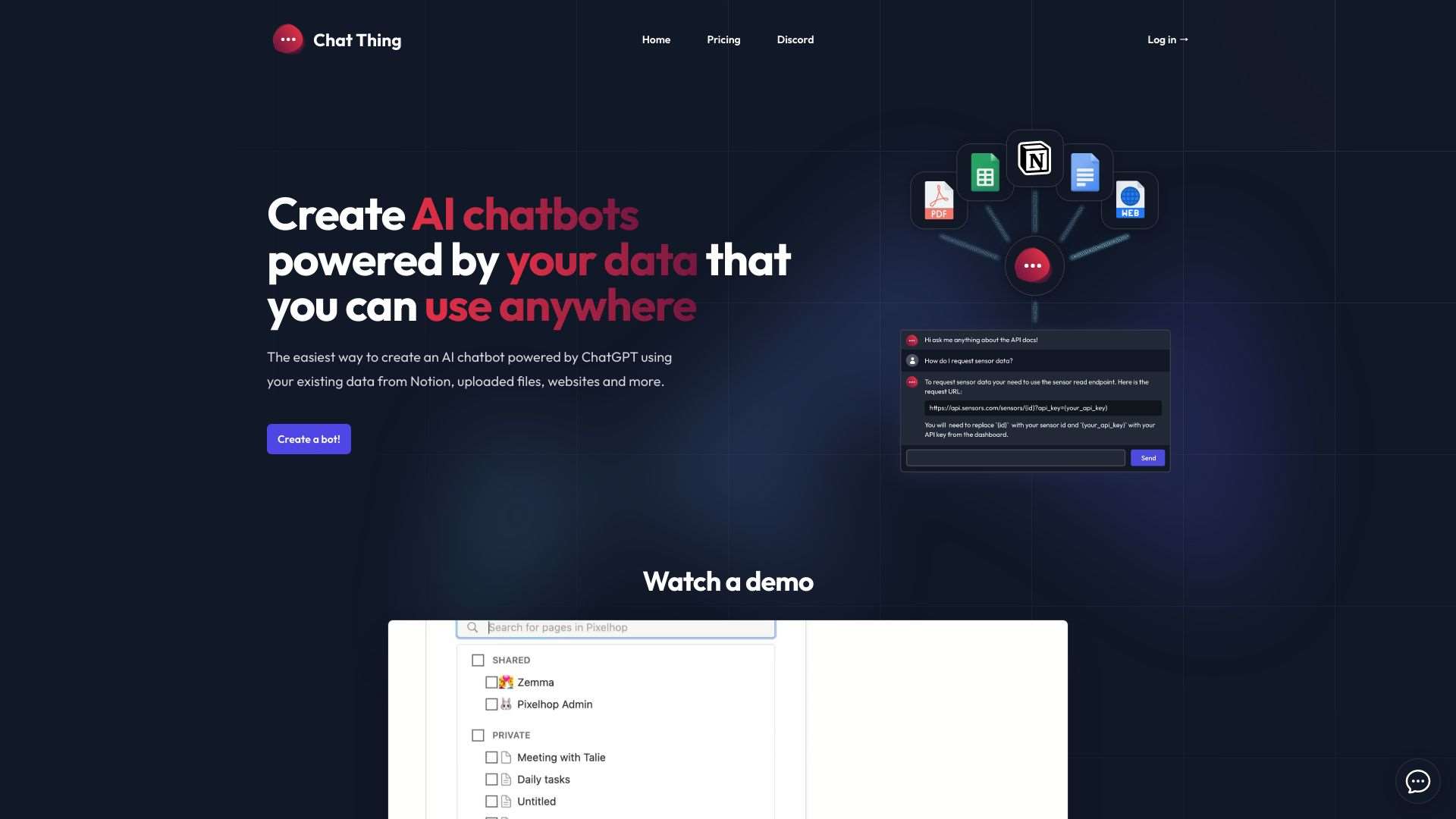
Chat Thing: Create custom AI chatbots using your own data from various sources.
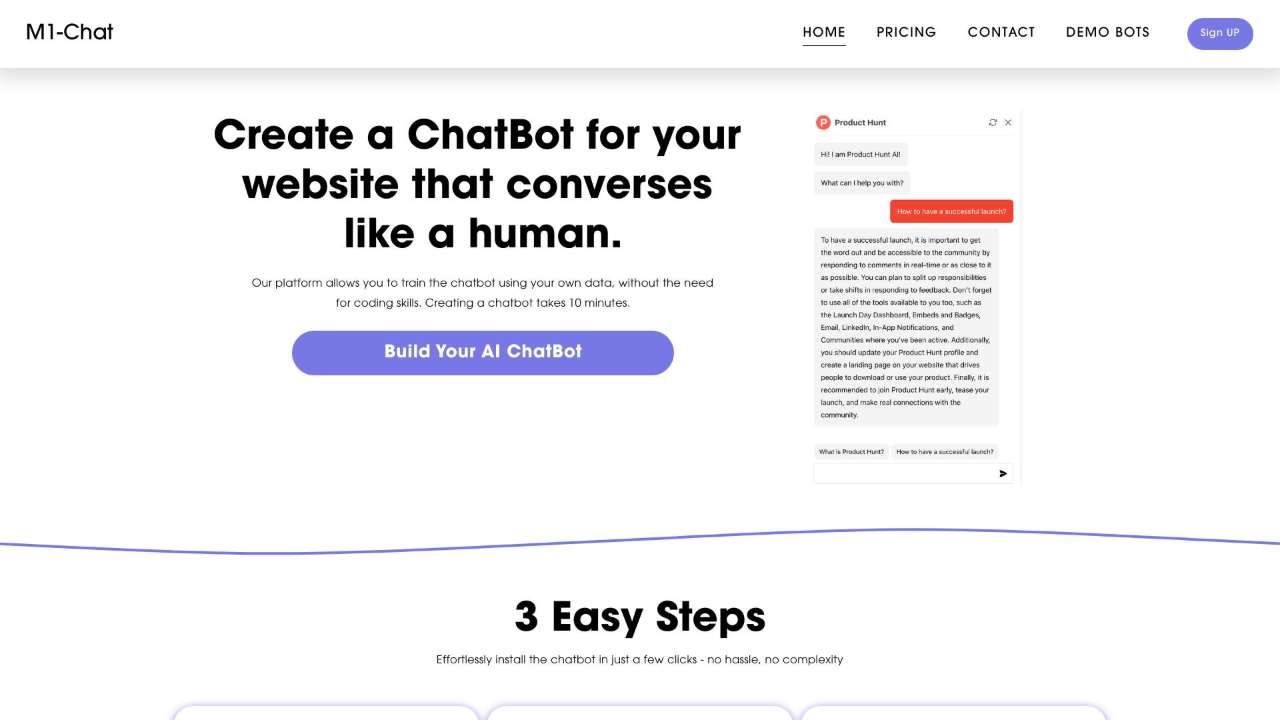
Create AI chatbots for websites, enabling human‑like communication without coding.
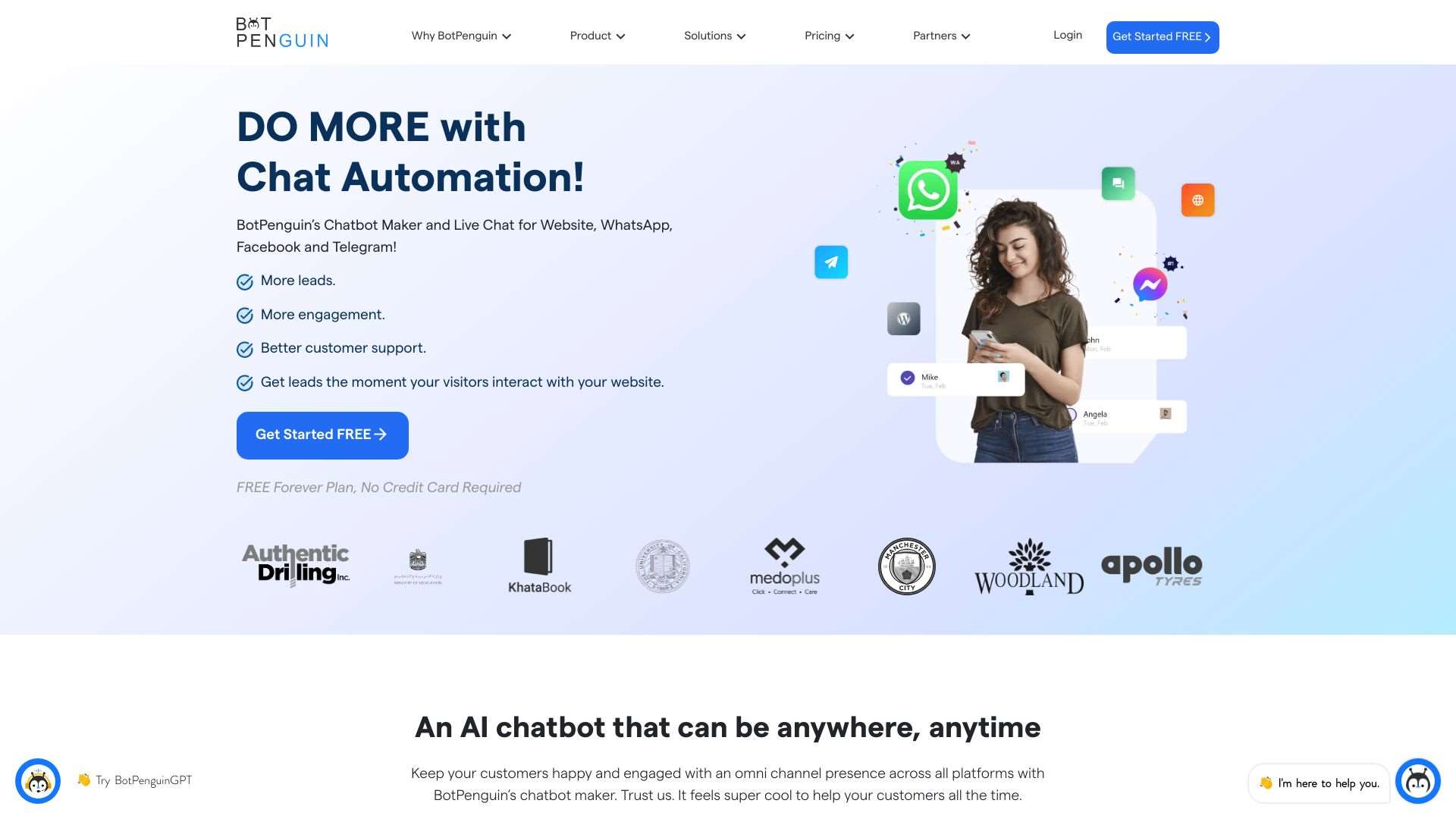
AI‑powered chatbot creator and live chat solution for website, WhatsApp, Facebook, and Telegram integration.
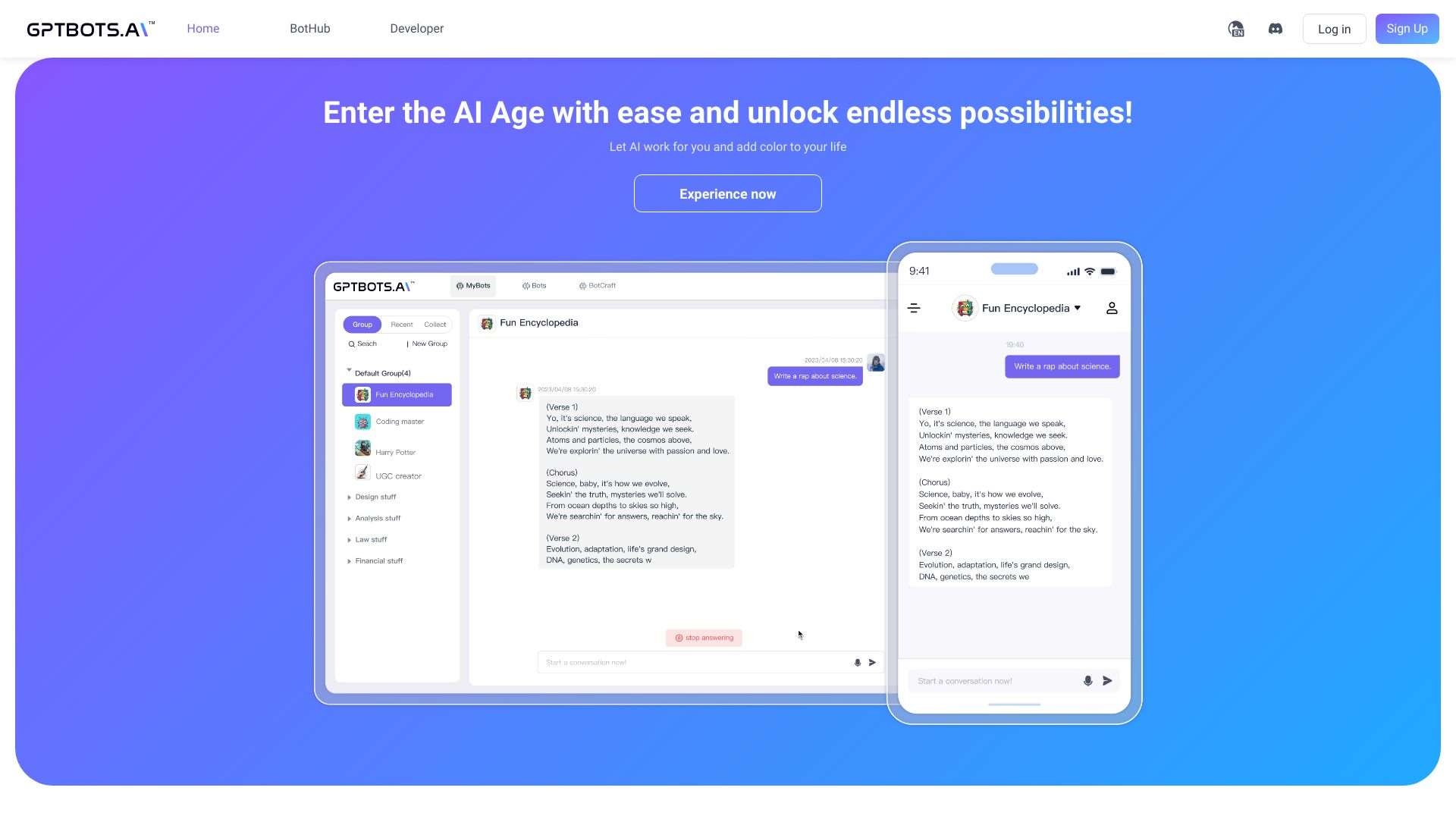
GPTBots provides AI chatbot solutions for businesses, automating customer interactions.
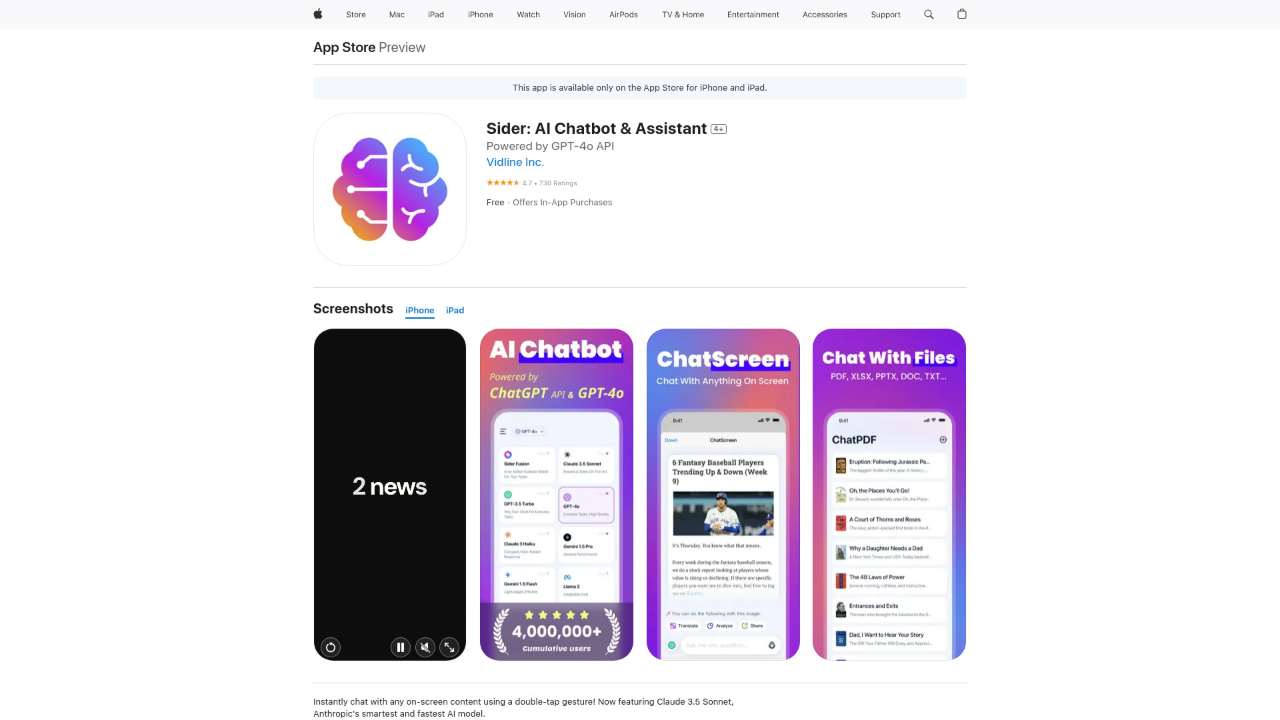
AI chatbot for interacting with on‑screen content and files.
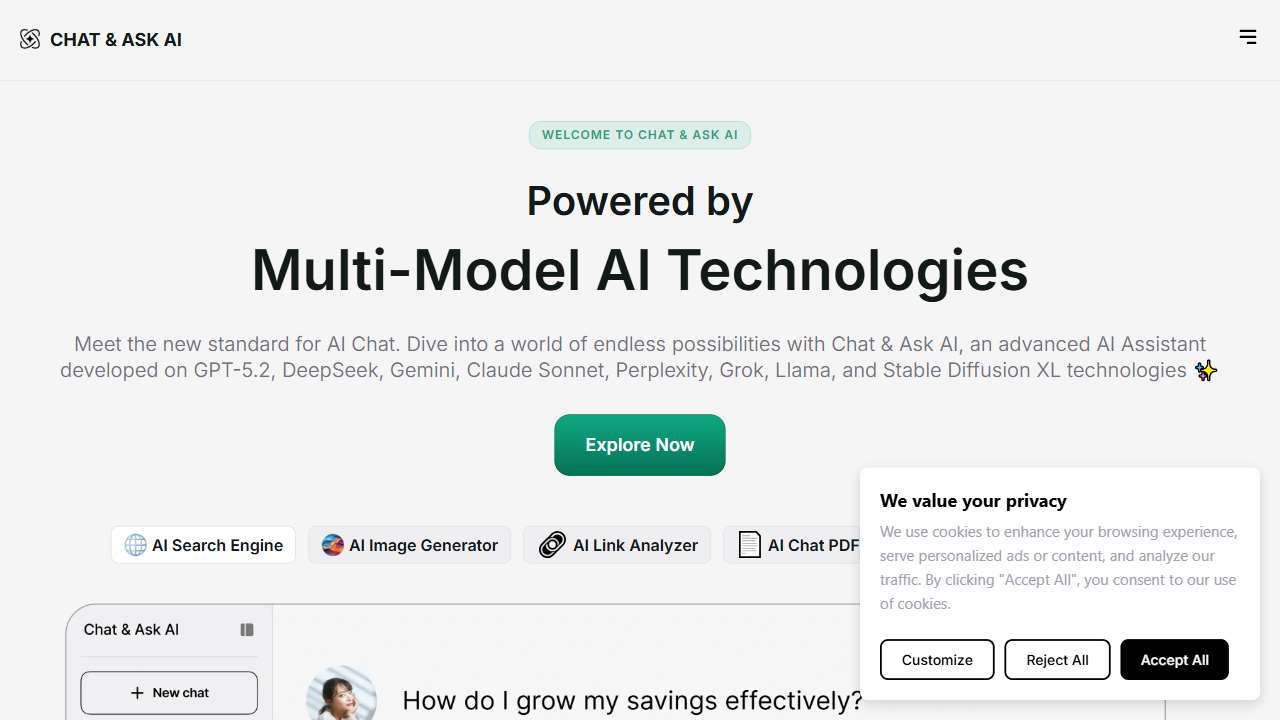
Advanced AI chatbot powered by GPT‑4o, featuring multiple AI tools and WhatsApp integration.
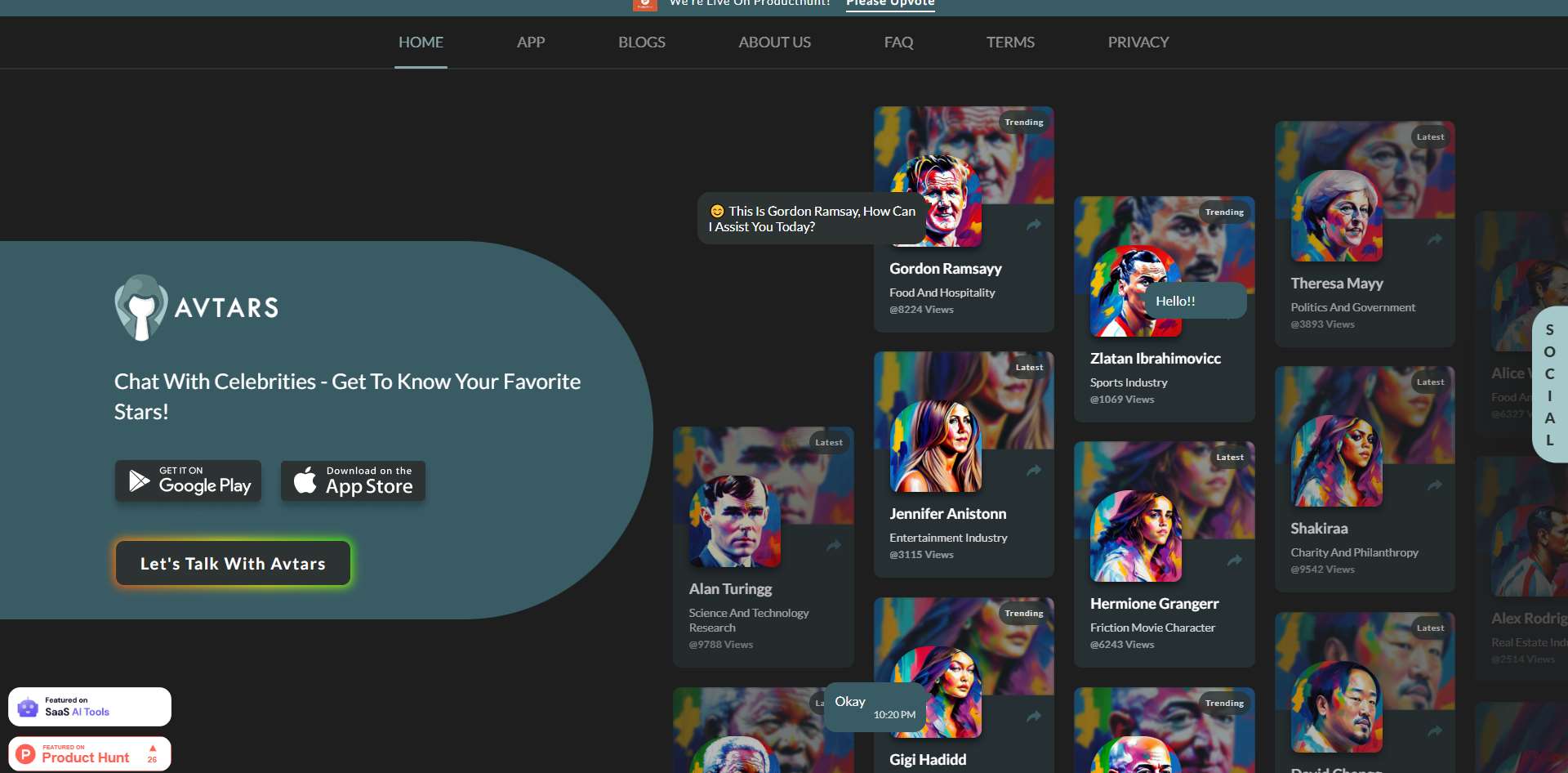
ChattyBot is an AI chatbot offering human‑like conversations and virtual assistant capabilities.
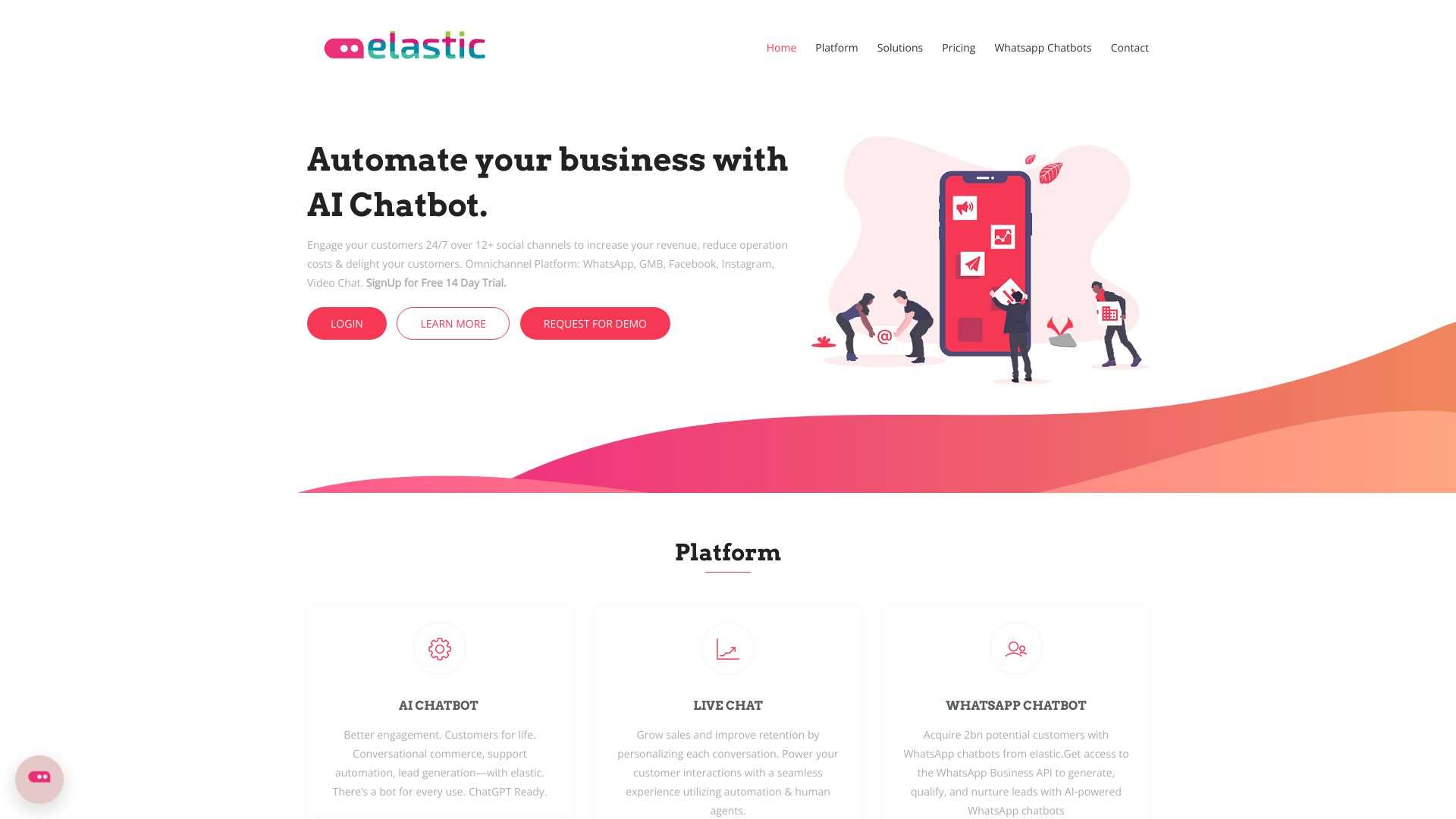
Elastic AI Chatbot: Intelligent chatbot for automated customer support across social channels.
Legal‑Sector Chatbots: Building Compliance on Top of AI
Legal practices and compliance departments have historically been slow to adopt consumer‑facing tech due to the stakes involved in misinformation. However, modern chatbots can provide assistance in drafting basic contracts, identifying regulatory risks, and guiding clients through procedural steps—all while adhering to strict data retention and confidentiality laws.
While the list above focuses heavily on medical solutions, many of the same platforms—particularly those that allow custom data ingestion—are effectively repurposed for legal workflows. By importing firm‑specific statutes, precedent clauses, and client data, these tools can simulate a specialized legal research assistant or a draft‑ing aid that spares attorneys time while ensuring compliance.
Key considerations for legal chatbots:
- Data sovereignty: ensure the platform hosts data in jurisdictions that align with client privacy rules.
- Audit trail: every interaction must be logged for potential discovery or regulatory review.
- Version control: documents auto‑generated by chatbots should reference the most recent legal standard or client approval.
Evaluation Criteria: How to Pick the Right Bot
Choosing an AI chatbot for a vertical market involves a multi‑layered assessment. Below is a structured guide that balances technical capability, regulatory compliance, and cost efficiency.
- Regulatory Readiness: Verify that the chatbot supports GDPR, HIPAA, or other applicable frameworks. Look for features such as data encryption at rest and in transit, and the ability to generate audit logs.
- Domain Knowledge Depth: Assess whether the AI has been fine‑tuned on sector‑specific language models. For medical tools, check for certified clinical knowledge; for legal tools, check for integration with law‑specific ontologies.
- Integration Flexibility: The bot should integrate smoothly with existing EHRs, practice‑management systems, or content management platforms.
- User Experience and Accessibility: Voice or text interfaces, multilingual support, and intuitive workflows reduce adoption friction.
- Pricing and SLA: Consider not just the upfront cost but also the support level—24/7 availability, dedicated account manager, and guaranteed uptime.
Conclusion
AI chatbots are no longer generic assistants—they now possess the capability to deliver specialized, compliant, and effective solutions for vertical sectors like medical and legal. By understanding the regulatory landscape, evaluating knowledge depth, and ensuring integration with your existing ecosystem, you can choose a chatbot that truly adds value to your practice. The tools listed above represent the current leaders in the field; experiment with free trials where available to gauge their performance before committing to a paid plan.