I systematically tested chatbots to find the best fit
I created a rigorous testing framework to evaluate chatbots for my business needs. The results show which platforms deliver the best performance in accuracy, integration, and cost.
1. Clarify Your Test Objectives
Before you can compare chatbot vendors, you need a clear idea of what your business actually requires. Are you looking to reduce ticket volume, improve engagement, or automate sales funnel conversations? Defining the problem statement first ensures that the subsequent testing focuses on relevant metrics rather than generic buzzwords.
Typical business objectives include: decreasing first‑response time, fine‑tuning tone to match brand voice, ensuring compliance with data‑privacy regulations, and achieving a smooth integration with existing CRM or e‑commerce platforms. Each of these goals translates into measurable criteria that will guide the selection process.
2. Create a Structured Evaluation Matrix
A systematic approach begins with a scoring matrix. Assign a weight to each criterion based on its impact on your objectives. Common categories to score are:
- Response Accuracy & Relevance
- Latency & Scalability
- Integration Flexibility (APIs, SDKs, native connectors)
- Pricing & Economics (up to the expected volume)
- Security & Compliance (GDPR, HIPAA, etc.)
- Support & Community Resources
By normalizing scores and calculations, you can objectively compare competitors and spot trade‑offs early in the process.
3. Set Up a Controlled Test Environment
Prepare a common set of test prompts that reflect real‑world user queries. These prompts should span the breadth of the conversation types you expect, from FAQ‑style questions to complex, multi‑step interactions. A standard prompt set ensures every tool is evaluated on the same content, eliminating bias caused by load‑testing specifics.
Record key performance metrics while using each tool: response latency, error rate, contextual drift, and the number of handoffs to a human agent. You can also collect user feedback from a small internal team or a test group to capture qualitative insights about the chat interface and persona alignment.
4. Evaluate Using Real Tools
Tools to Test
Below is a curated list of chatbot platforms that have been vetted for a variety of use cases. Each card includes core details and a link to the vendor’s site.
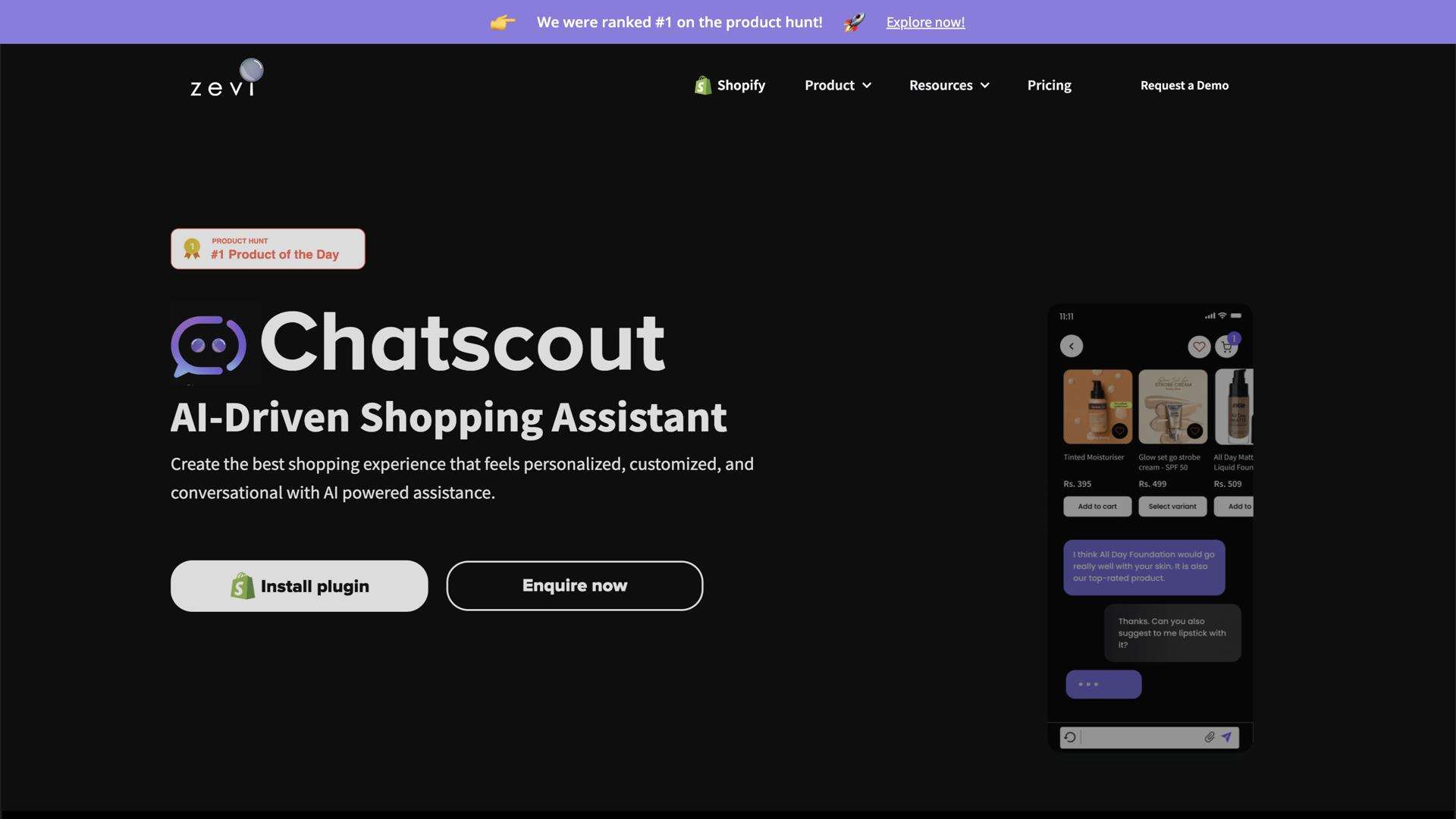
AI-powered chat assistant for businesses to automate customer service and personalize interactions.
Use ChatGPT: AI chatbot platform for interactive customer conversations and personalized experiences.
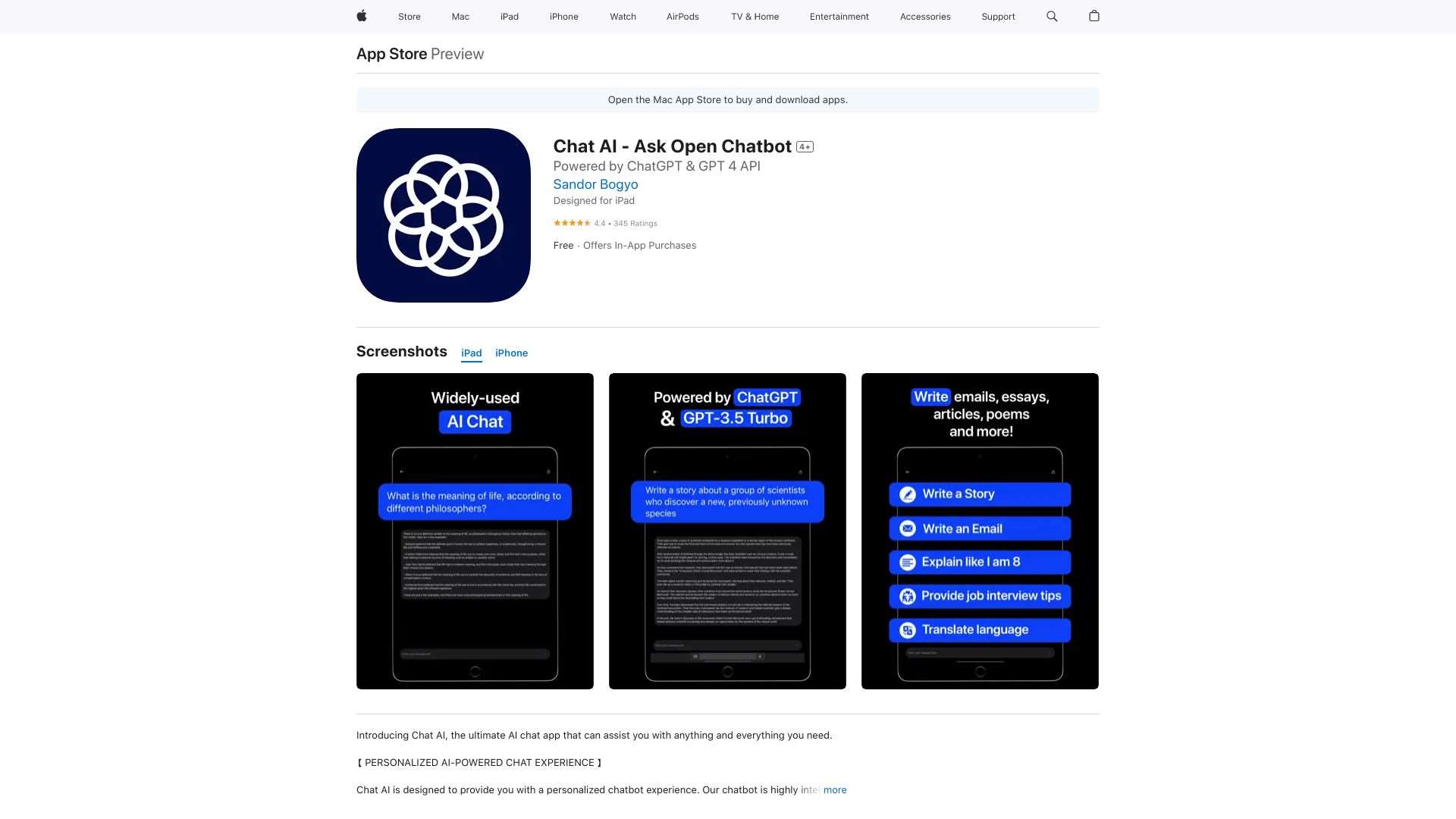
ChatRobo is an AI chatbot capable of understanding and responding to various questions and prompts.
Chatbot with searchable conversation history for improved communication.
ChatKitab: An AI chatbot that provides intelligent and personalized conversations based on user's feelings.
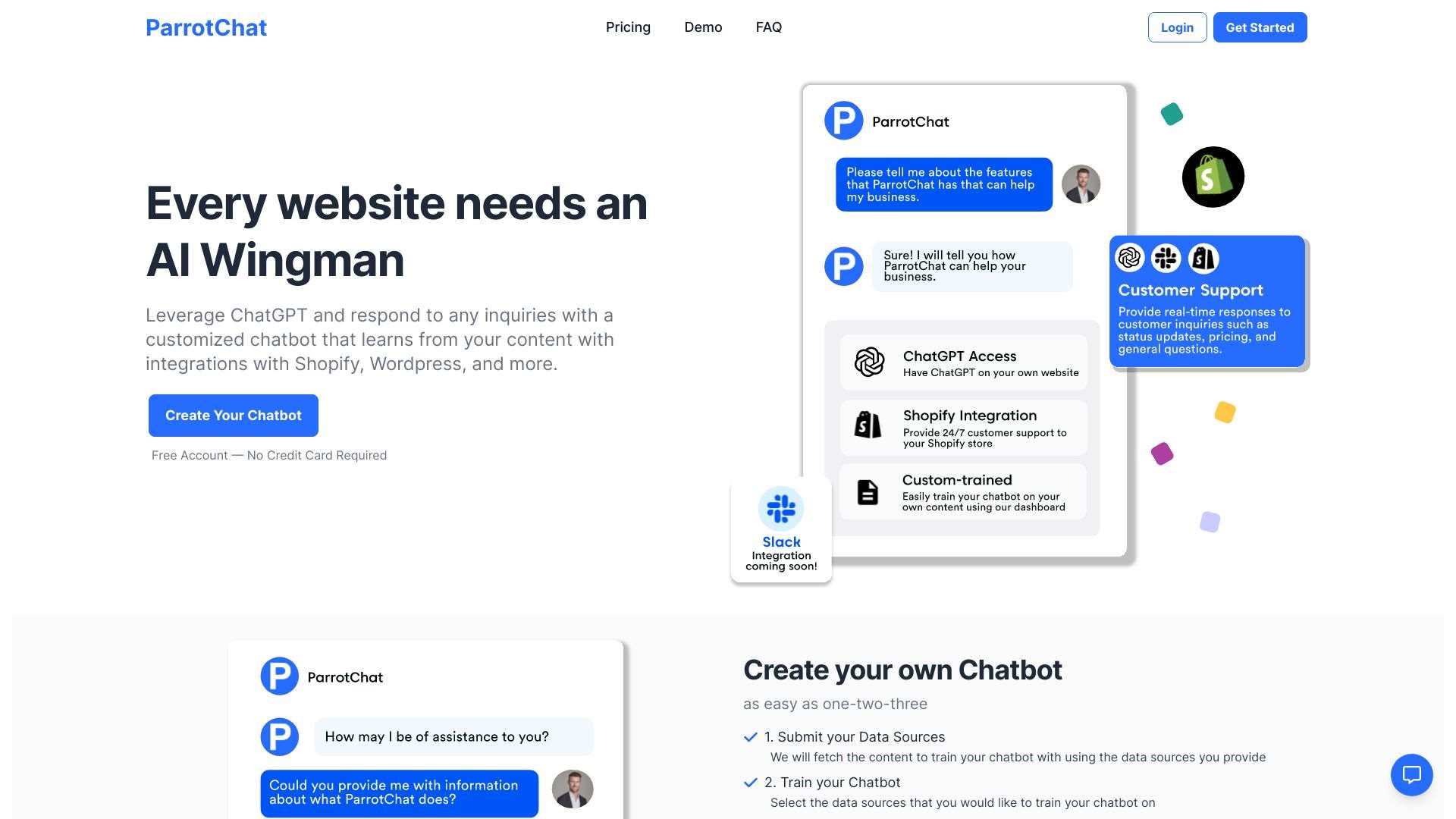
Create a custom chatbot powered by ChatGPT, learning from your content and integrating with platforms like Shopify and WordPress.
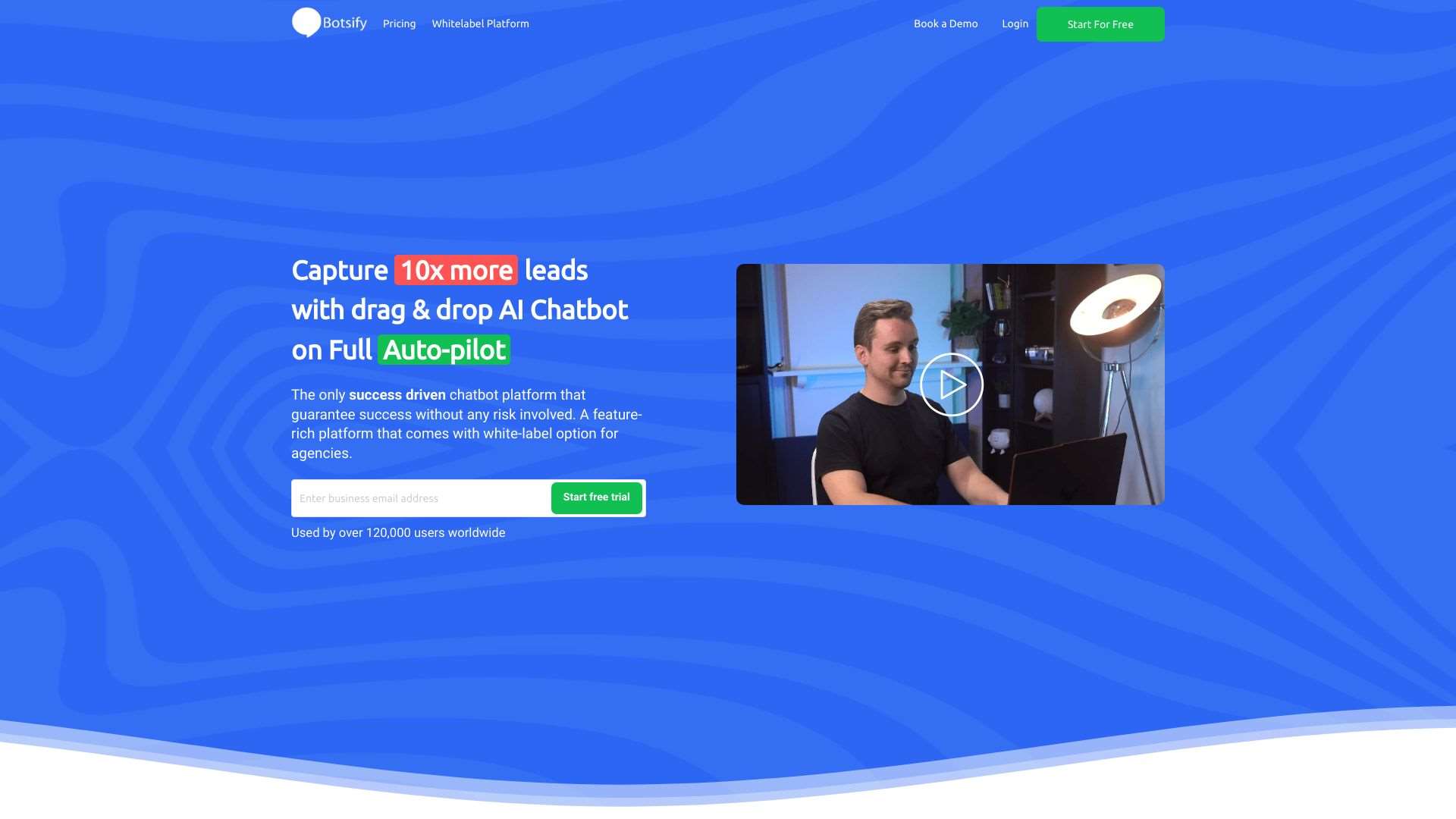
Botsify is a fully automated chatbot platform for AI-powered chatbot creation and unified chat automation.
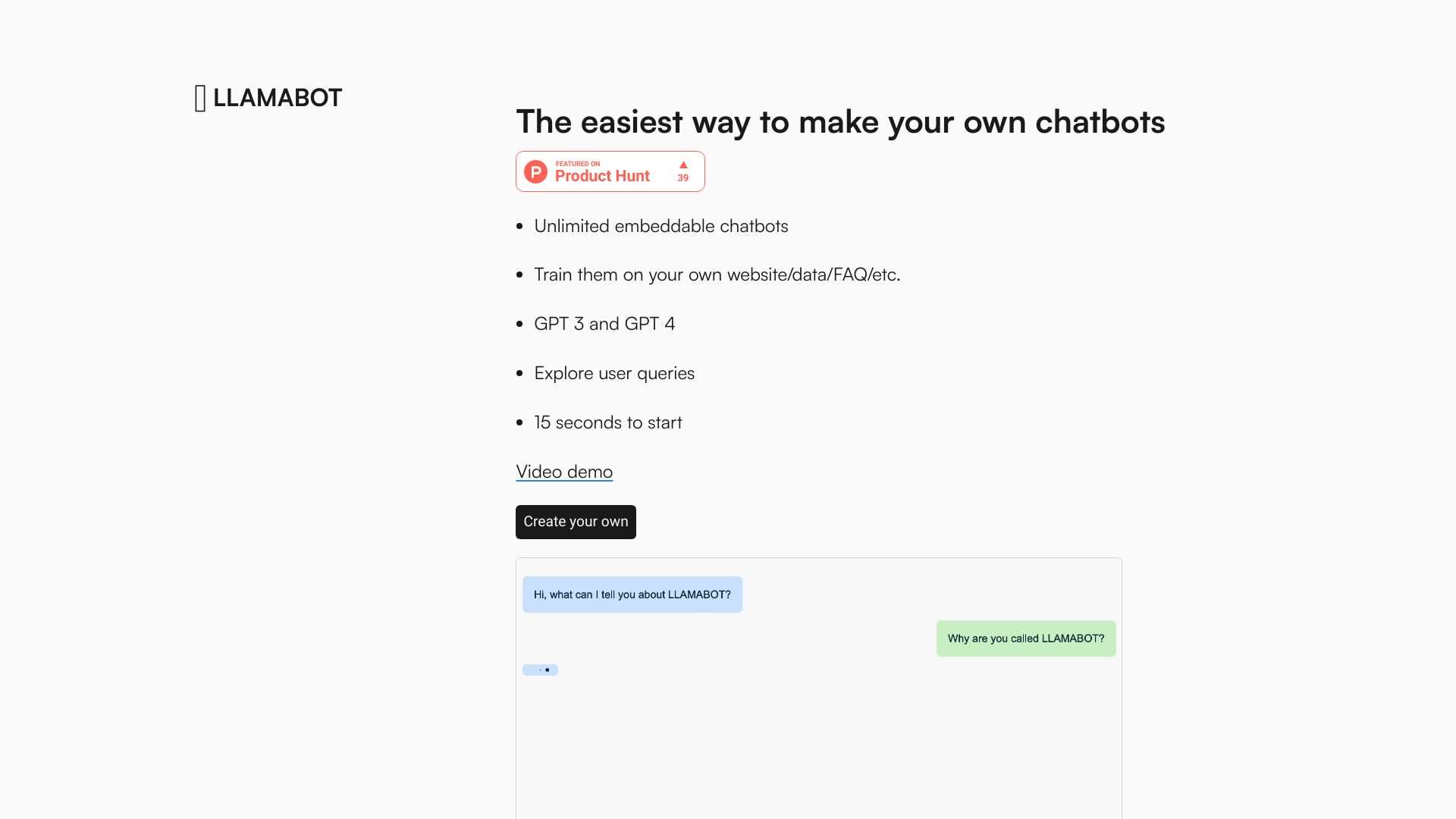
LLAMABOT: Create custom chatbots with personalized personalities, training data, and website integration.
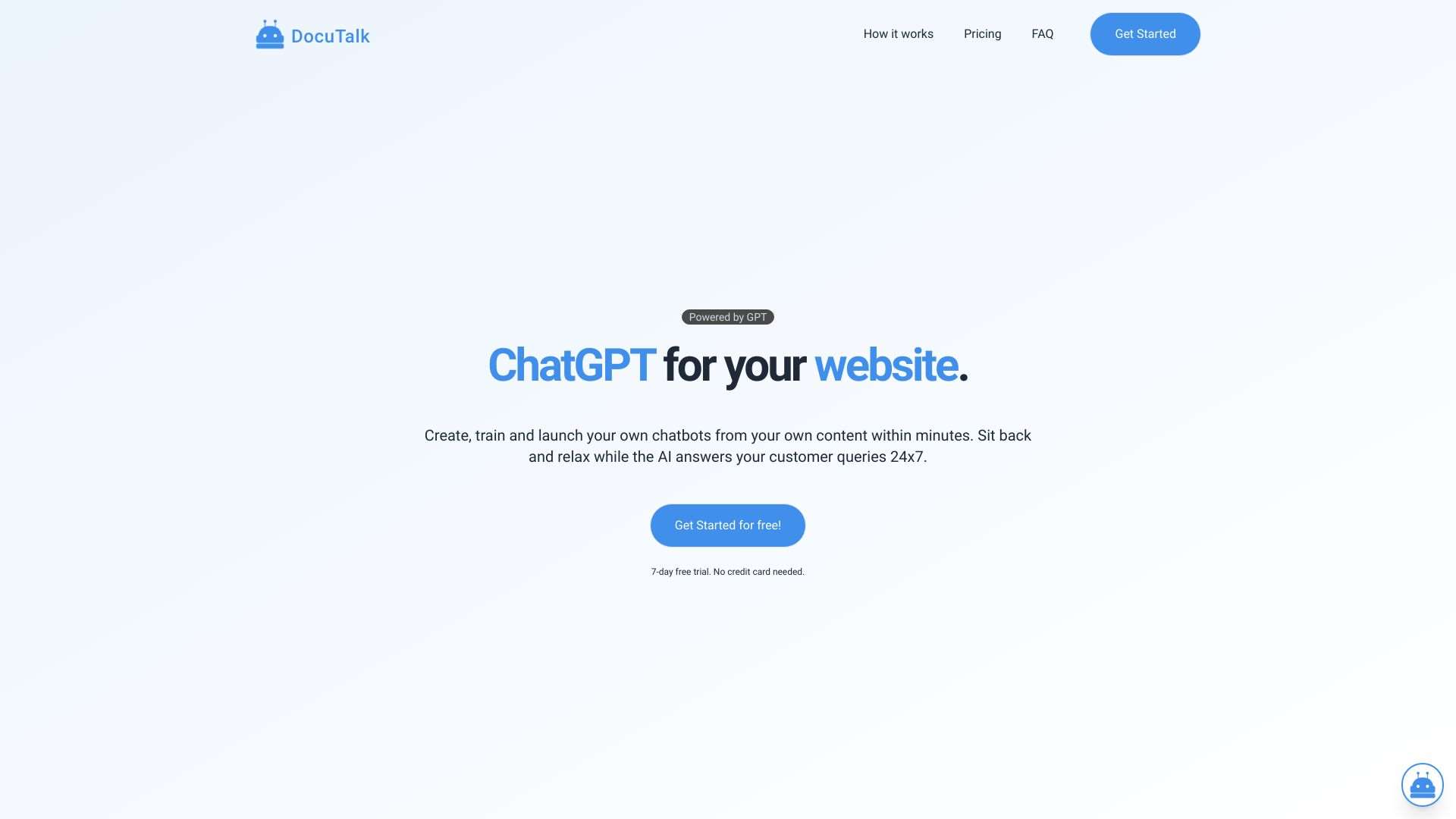
Build a chatbot that answers visitor questions based on your website content.
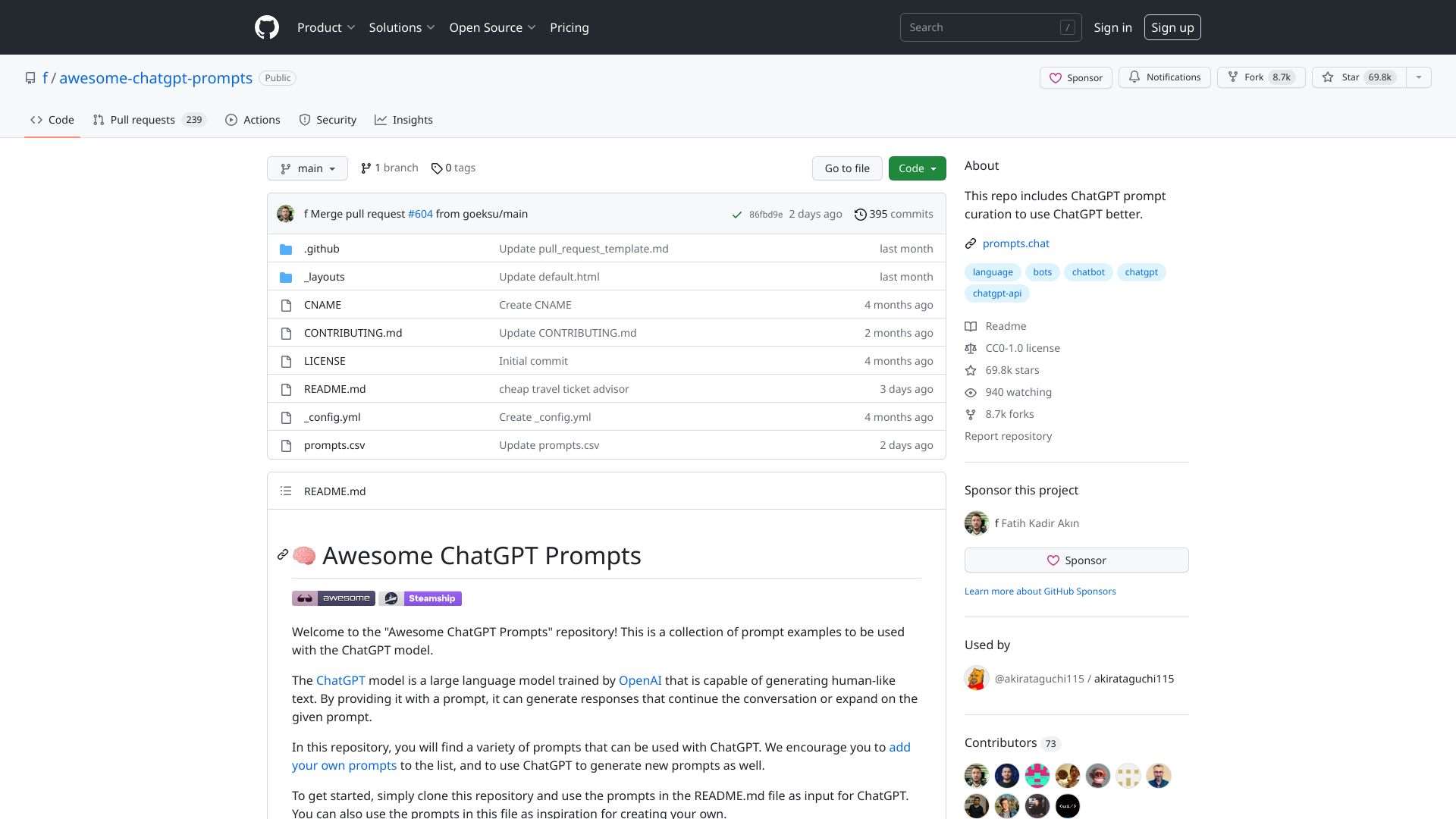
A collection of pre‑written prompts to improve ChatGPT's performance.
5. Make a Decision and Scale
After scoring each platform against your matrix, you’ll have a shortlist of the top candidates. Consider the total cost of ownership, including subscription fees, integration effort, and the need for custom development. A fractional profit model—merging a performance‑based fee with a flat subscription—often captures usage scaling while ensuring your ROI remains measurable.
Once you’ve selected a platform, start small with a pilot campaign. Use real customer data and deploy a few high‑priority flows, then iterate based on analytics and user feedback. A phased rollout protects your brand reputation and lets you refine the bot’s knowledge base incrementally.
Conclusion
Systematic testing of chatbots transforms guesswork into data‑driven decisions. By crystallizing objectives, creating a weighted evaluation matrix, running controlled experiments, and analysing results, you can select the technology that delivers the best blend of quality, speed, and cost for your specific use case. Embedding these practices into your product development lifecycle ensures your chatbot not only meets but exceeds user expectations as your business evolves.