I used 10 AI tools to generate meaningful automated tests
I tested ten AI-powered tools to see how well they can generate meaningful automated tests, aiming to streamline QA workflows. The results show significant time savings and higher coverage for realistic testing scenarios.
Why AI Helps Generate Meaningful Automated Tests
Developers often wrestle with writing tests that reflect real user behavior and edge‑case scenarios. Manual test creation is tedious, time‑consuming, and can easily leave gaps in coverage. AI‑powered test generators solve this by analyzing your codebase, runtime data, or UI interactions, and automatically producing tests that align with the logic and structure of your application. By harnessing language models, pattern recognition, and abstract syntax tree analysis, these tools help ensure your tests stay up‑to‑date even as your code evolves.
Moreover, AI tools can pinpoint areas with high defect density, produce data‑driven test cases, and generate assertions that mimic actual user expectations. The result is a robust suite of tests that not only catches bugs early but also reduces the manual effort needed to keep them current.
Key Factors in AI‑Generated Test Quality
Coverage, Relevance, and Maintainability
- Coverage: AI tools determine which parts of the codebase receive the most rigorous testing based on usage patterns and risk assessment.
- Relevance: Tests generated reflect common user flows, ensuring they validate real business scenarios rather than contrived edge cases.
- Maintainability: Generated test code is clean, modular, and follows best practices, allowing developers to easily update or extend it.
By focusing on these three dimensions, AI‑based test generators produce tests that complement human effort rather than replace it. Human reviewers still review, refine, and prioritize the output, but the bulk of repetitive work is automated.
Choosing the Right AI Tool for Your Stack
Popular AI Test Generation Tools
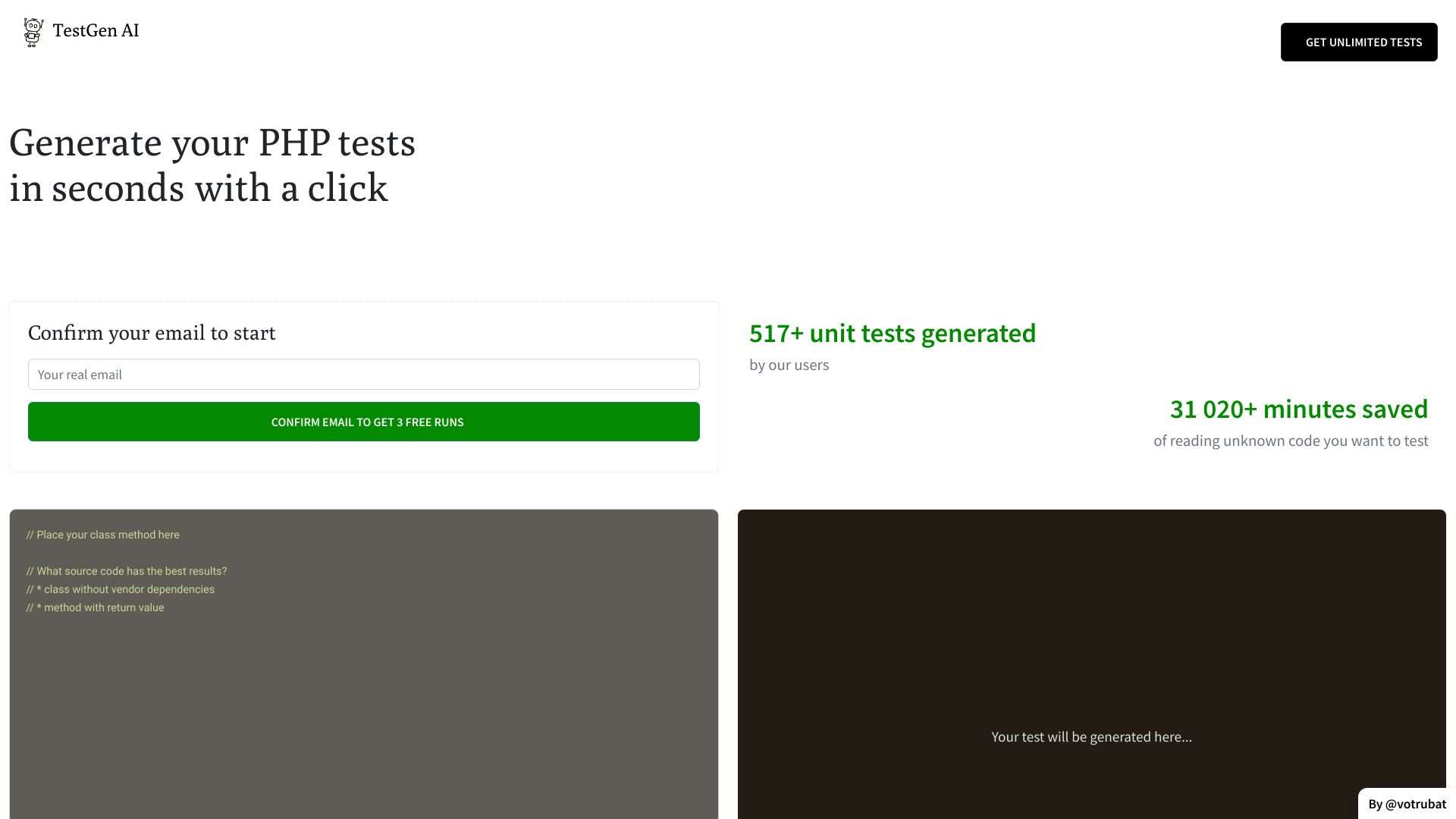
TestGenAI generates PHP unit tests automatically using AI and AST analysis.
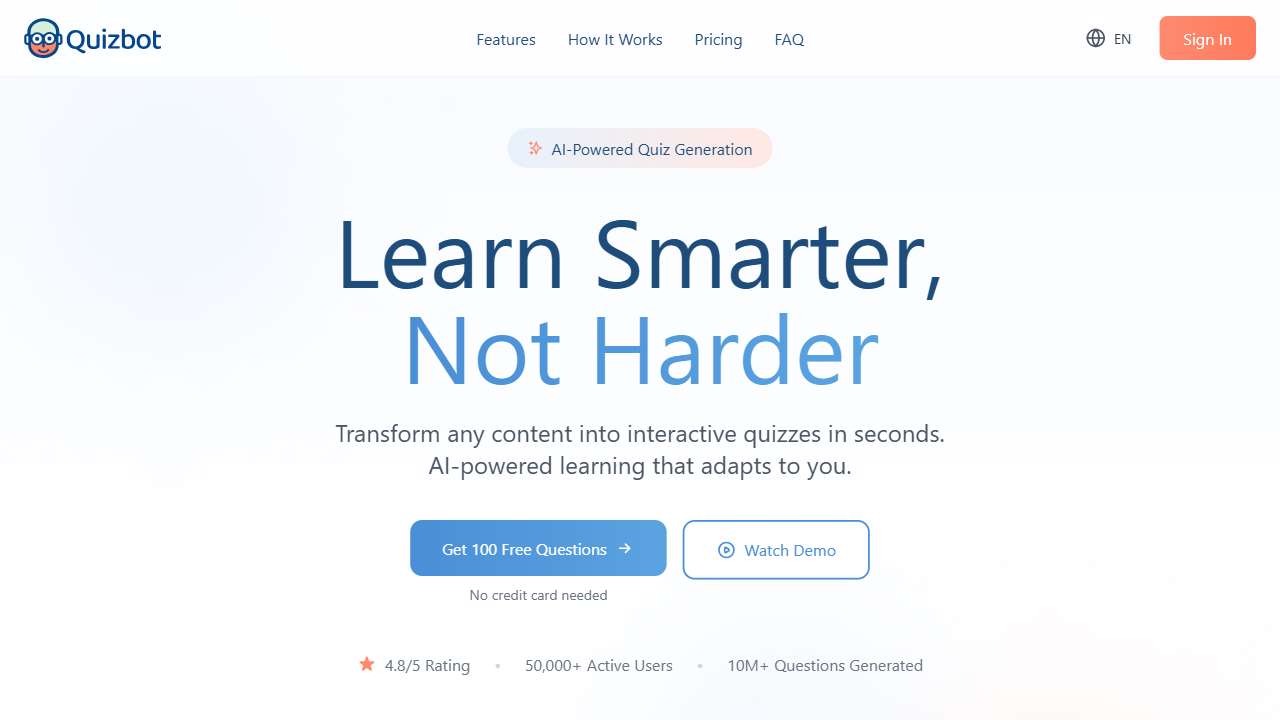
AI-powered tool for generating questions and tests automatically.
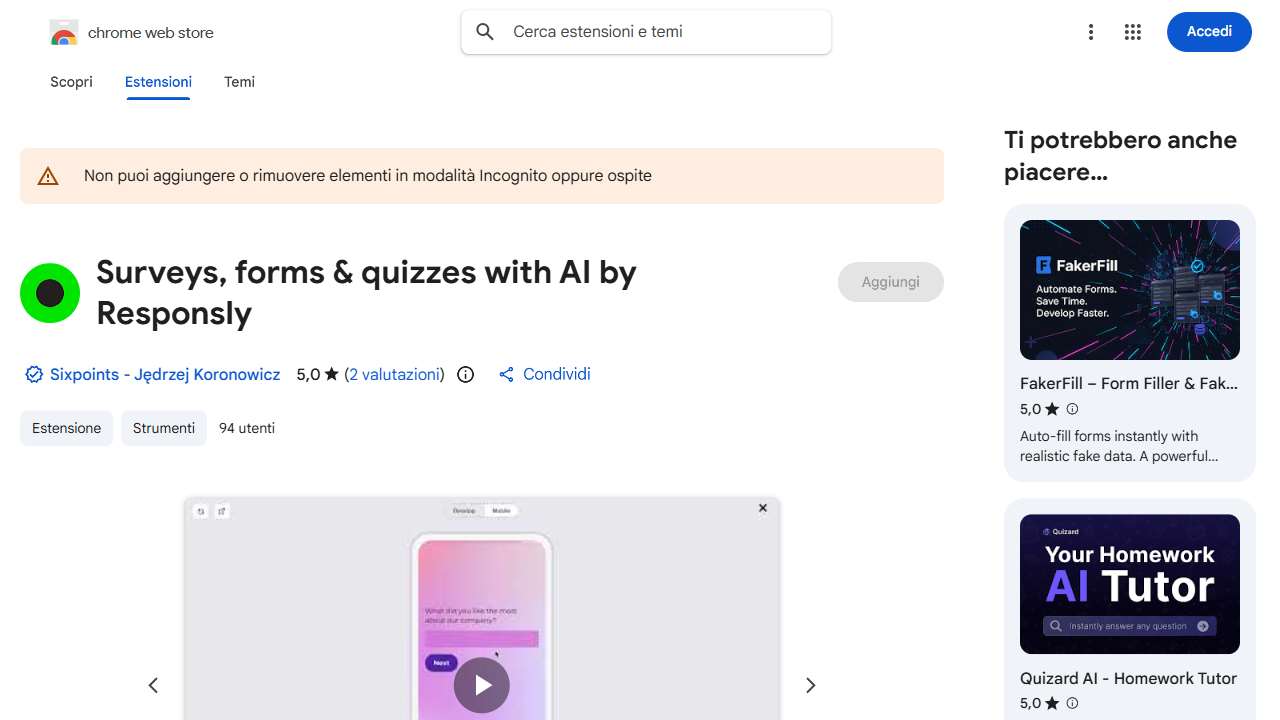
AI-powered platform for creating engaging surveys, quizzes, and forms.
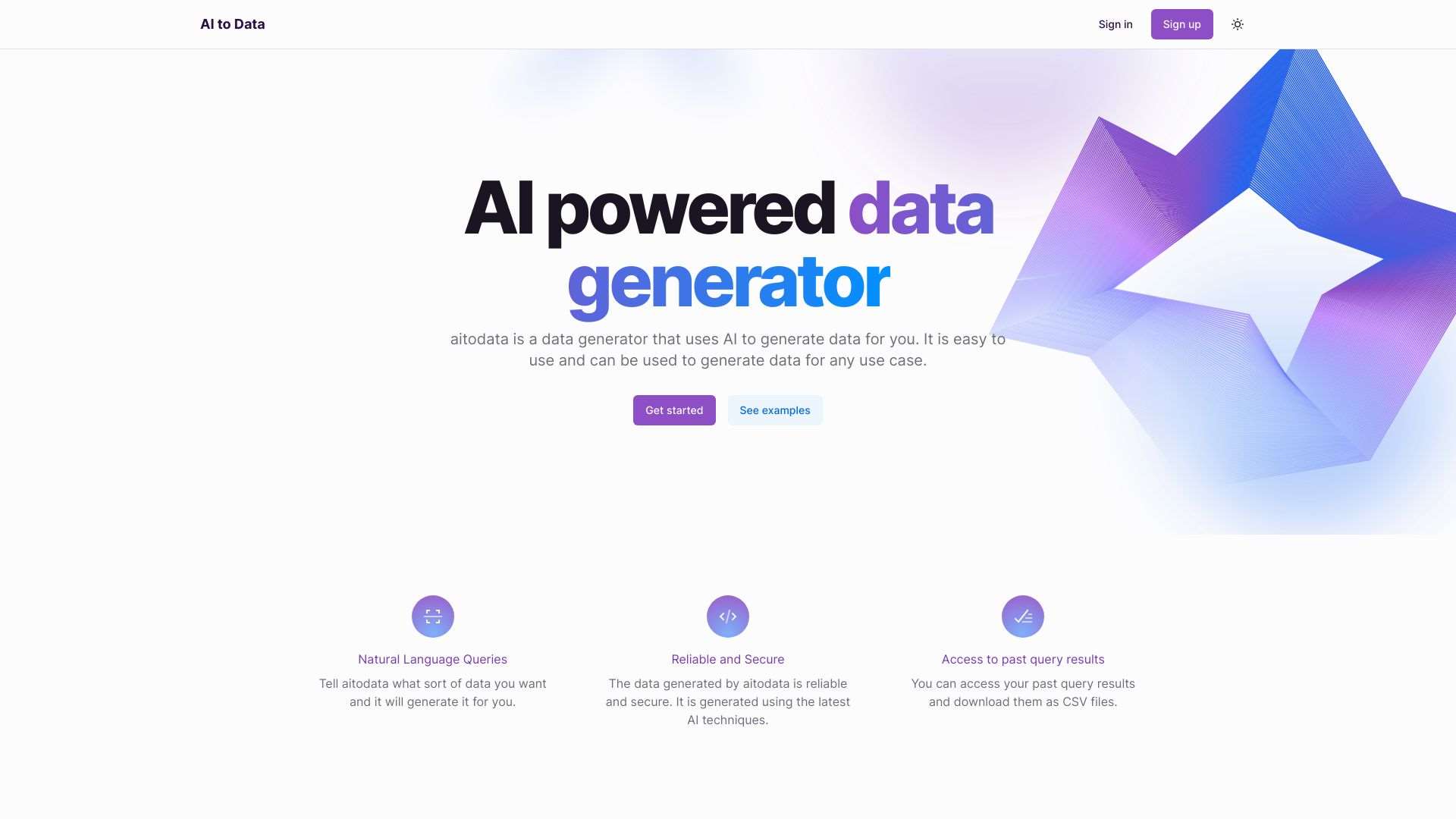
Generate realistic data using advanced AI techniques for any application.

AI app creates personalized quizzes from syllabus screenshots.
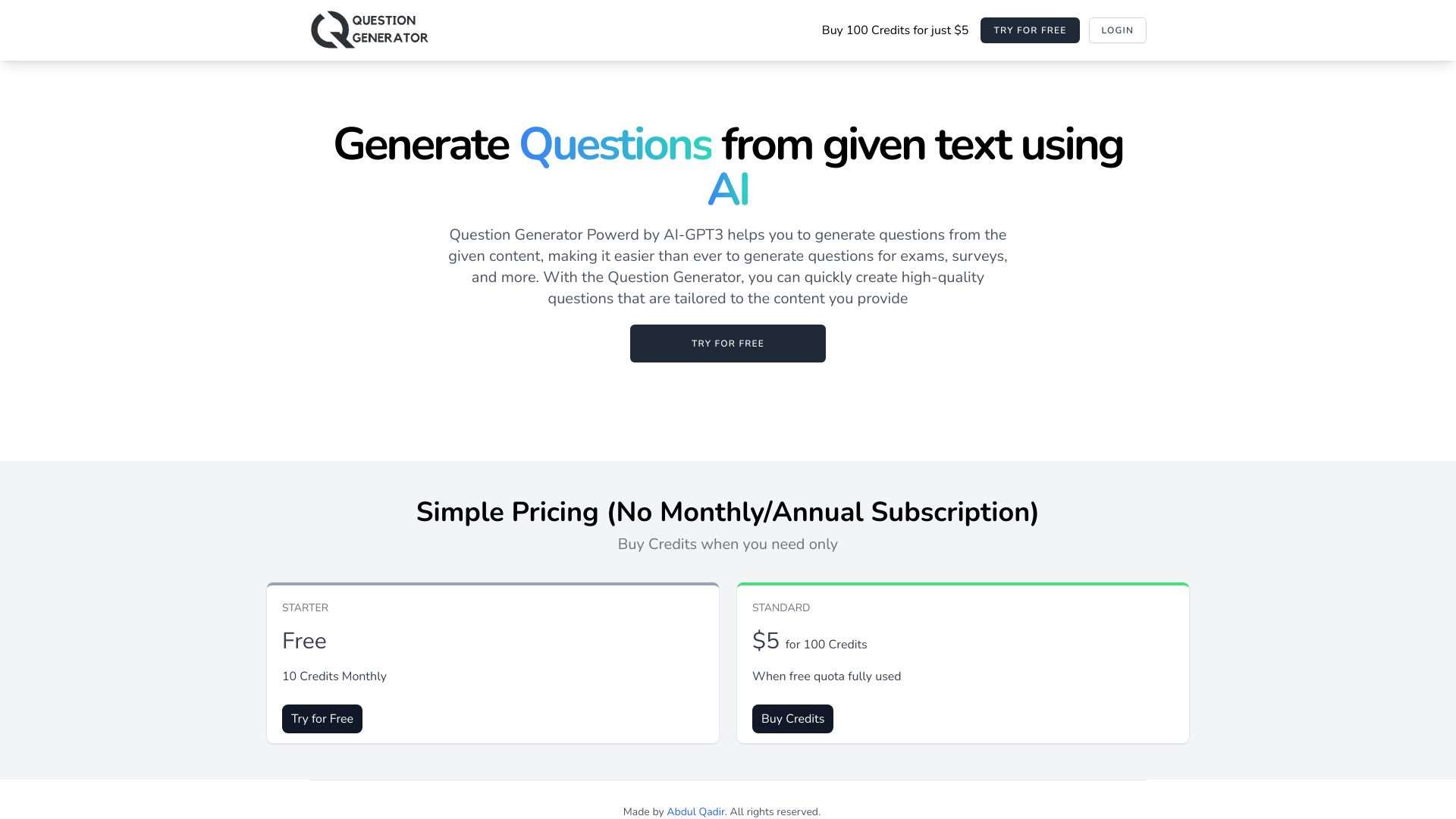
AI-powered tool to generate questions from any content, simplifying exam and survey creation.
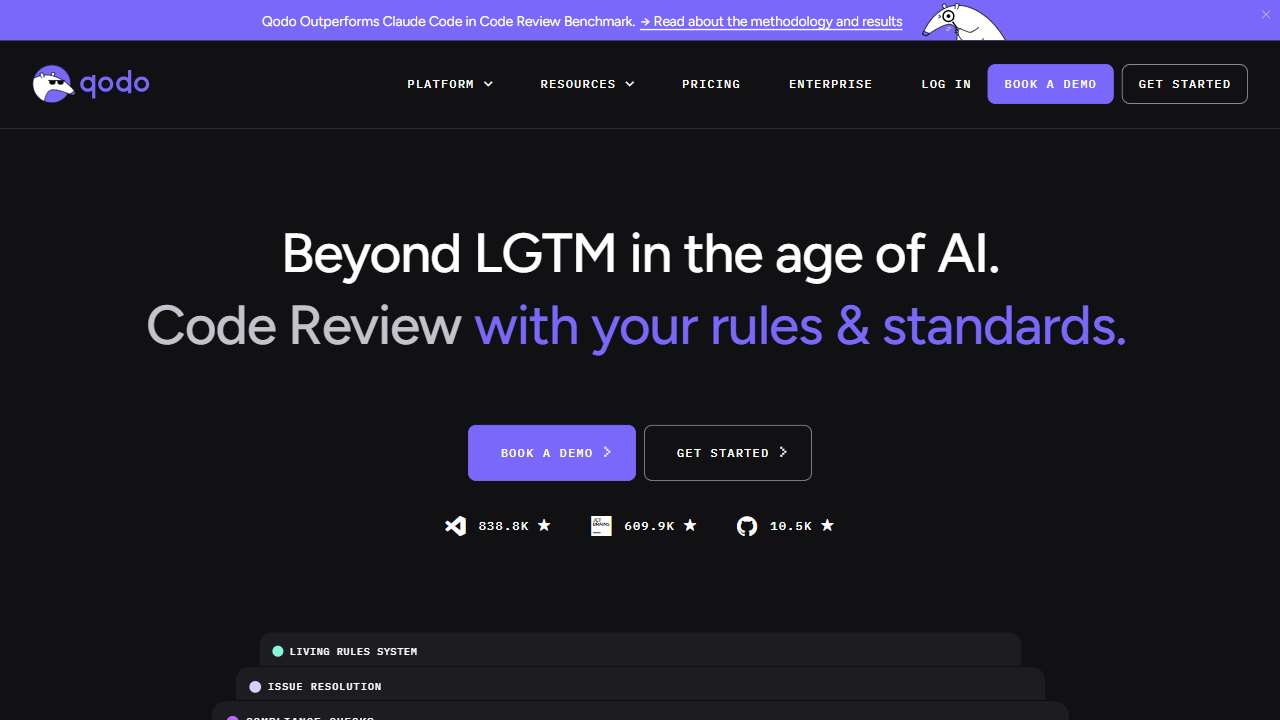
Automates test generation, saving developers time and effort.

AI‑powered software testing: Automate and adapt for faster, more reliable results.
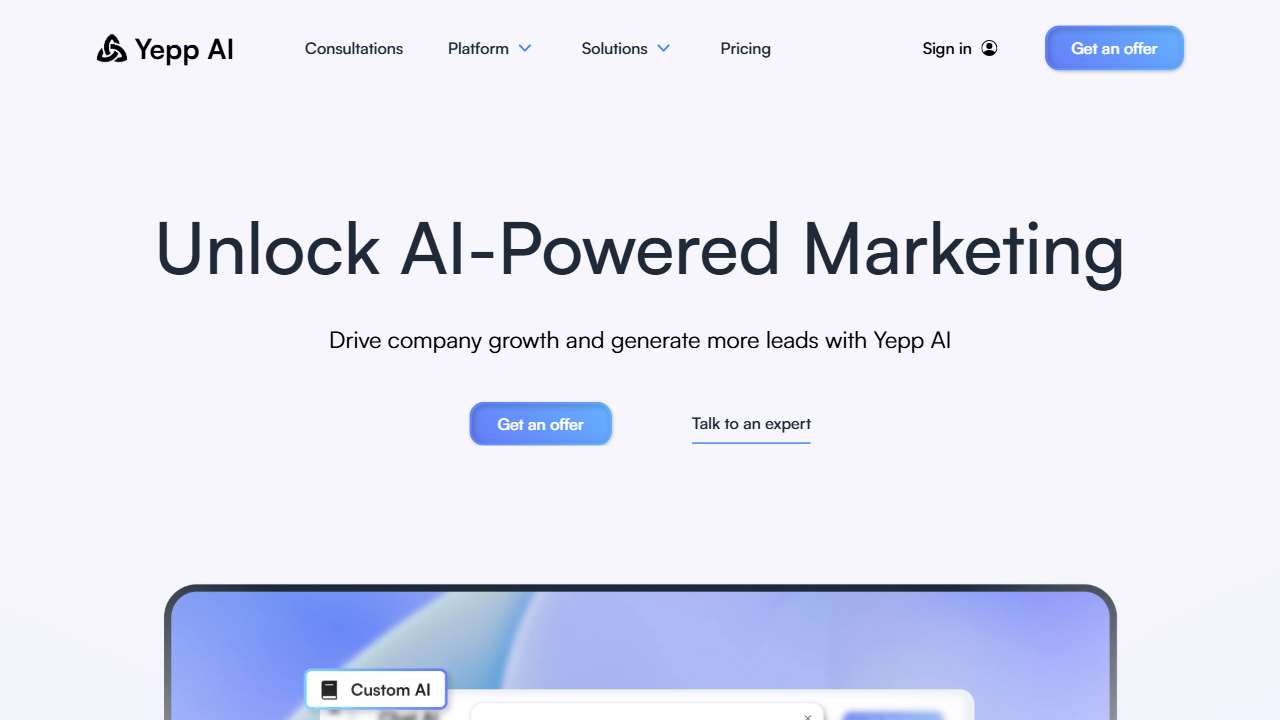
Transform raw data into compelling content with ease.
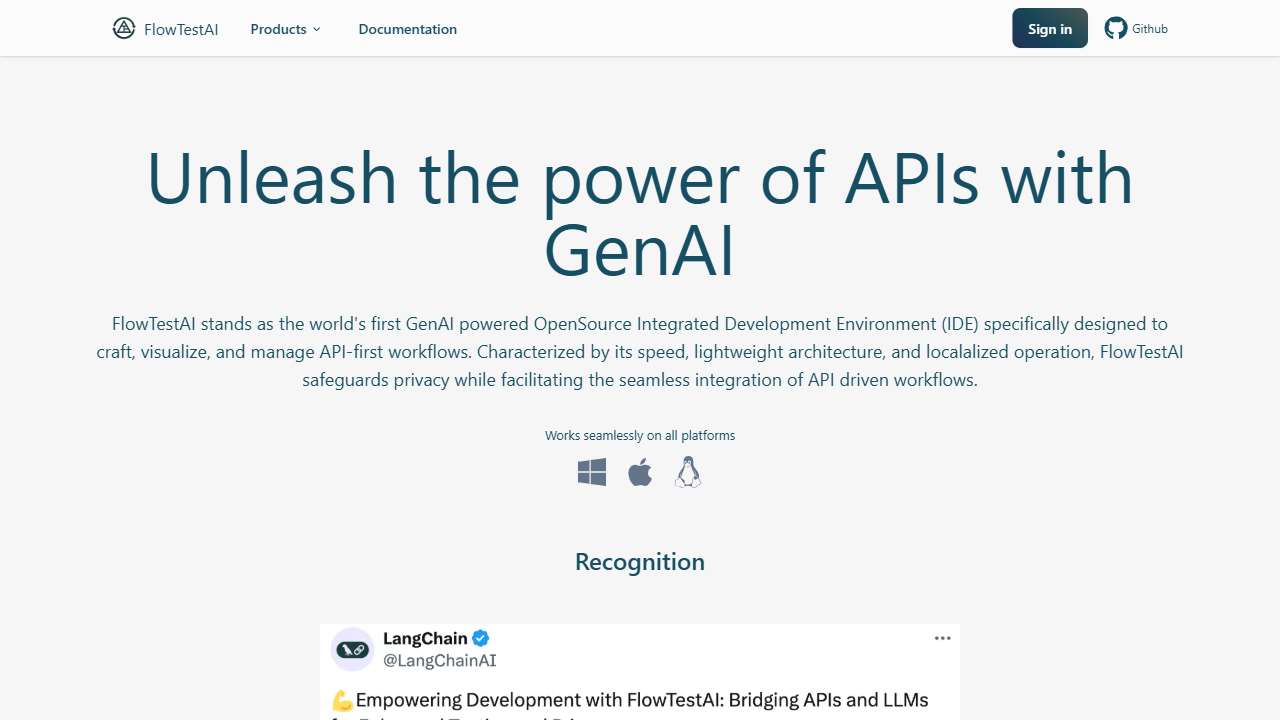
AI‑powered API testing tool automating test generation and improving efficiency.
Getting Started: Integrating AI Tools into Your CI Pipeline
Once you’ve selected the right tool, the next step is to embed it into your continuous integration workflow. Most AI test generators expose command‑line interfaces or API endpoints that can be invoked during build steps. By running the generator after each commit, you ensure that new code changes are automatically covered by fresh tests. Most tools also support exporting to popular test frameworks such as Jest, PHPUnit, or Cypress.
Here’s a quick ‑step checklist:
- Install the AI tool’s CLI or API client.
- Configure a script that triggers the generator in your CI configuration file.
- Define a versioned seed or baseline data set so the generated tests remain deterministic.
- Run the generated tests and merge the results into your existing coverage reports.
- Review and refine any gaps or false positives identified by human QA.
Case Study: Automated Tests with FlowTestAI
In a recent project, a fintech team needed to scale its API testing suite. They integrated FlowTestAI into their GitHub Actions workflow. For each PR, FlowTestAI generated realistic request/response pairs based on the updated Swagger documentation. The tests were run immediately after deployment to the staging environment. The result was a reduction of manual API test creation time by 70% and a noticeable drop in bug‑in‑production incidents during the rollout.
Conclusion
AI test generation tools bring a new level of efficiency to software quality assurance. By automating the creation of meaningful, data‑driven, and coverage‑focused tests, developers can focus on building features rather than writing boilerplate. Whether you’re a startup looking to shorten release cycles or an established enterprise seeking rigorous test coverage, the right AI tool—paired with thoughtful integration into your CI pipeline—can dramatically accelerate your testing process and improve product reliability.