I tested 10 AI tools to clean data and avoid misleading insights
If you’re using AI to analyze data, you know how powerful insights can be—but so can misleading conclusions. In this post, I review ten top AI tools that help validate data, spot anomalies, and ensure your findings are trustworthy.
The Bias Trap: Understanding the Root Causes of Misleading AI Insights
AI tools are only as trustworthy as the data they ingest and the assumptions baked into their algorithms. A common pitfall is “bias amplification,” where pre‑existing skew in the training set is magnified, leading to conclusions that appear solid but are actually misleading. When data are not representative of the real‑world population—or when sensitive attributes are correlated with outcome labels—model outputs can inadvertently reinforce discriminatory patterns.
Another subtle source of misinformation comes from “feature leakage,” where variables that would not be available at decision time are accidentally used by the model. This can create an illusion of predictive power that disappears once the model is deployed. Detecting and eliminating leakage requires a rigorous audit of feature provenance and a clear definition of the target prediction window.
Finally, the “black box” nature of many AI pipelines obscures the reasoning behind specific predictions. Even if a model scores high on accuracy metrics, stakeholders may be skeptical about the reproducibility and fairness of its insights. Transparency tools, explainable AI (XAI) techniques, and validation against known benchmarks are essential safeguards against such misleading conclusions.
Clean as You Go: Data Pre‑Processing Best Practices
Before you hand the dataset to any AI tool, perform a systematic cleaning routine. Handle missing values by flagging them for imputation or removal, depending on the proportion and the variable’s importance. For categorical fields, standardize naming conventions and encode them consistently to avoid meaningless one‑hot conversions that can inflate dimensionality.
Outlier detection should be paired with domain knowledge: decide whether extreme values reflect data entry errors or genuine anomalies. Techniques such as interquartile range thresholds, Z‑score filtering, or robust clustering can identify suspicious points. After flagging, document each decision to maintain an audit trail.
Ensure data type consistency across columns—especially timestamp formats, numeric precision, and text encoding—so that downstream AI models interpret values correctly. A well‑documented preprocessing pipeline can be versioned and reused, reducing the risk of accidental re‑introduction of errors during iterative analyses.
Trusted Tools: Evaluation Criteria for AI Analytic Platforms
When vetting AI analytics tools, evaluate them against a set of robustness metrics: data integrity checks, outlier detection strength, and support for standard statistical validation. A trustworthy platform should expose provenance information, allowing you to trace each insight back to its originating data point.
Data governance features—such as role‑based access control, audit logs, and encrypted data storage—are non‑negotiable for corporate environments. Tools that offer built‑in compliance with regulations like GDPR, CCPA, or HIPAA add an extra layer of assurance that sensitive information is handled responsibly.
- Accuracy & Consistency: Peer‑reviewed calibration and cross‑validation capabilities.
- Transparency: Explainability modules and model card generation.
- Integration & Extensibility: API support, plug‑in compatibility, and open‑source components.
- Usability: Intuitive UI, robust documentation, and community support.
My 10‑Tool Testbed: Practical Experience and Results
To evaluate real‑world performance, I assembled a testing grid of ten AI tools that claim to improve data quality or provide actionable insights. Each tool was subjected to a standardized dataset containing mixed demographics, missing values, and intentional outliers, mimicking the complexity seen in financial, marketing, and operational data contexts.
The results varied dramatically in terms of validation coverage, ease of use, and the depth of actionable output. Some platforms excelled at early data cleansing, flagging issues that would otherwise go unnoticed, while others added value by offering advanced predictive models that surfaced counter‑intuitive trends. Below is a snapshot of the tools I tested, along with key descriptive highlights.
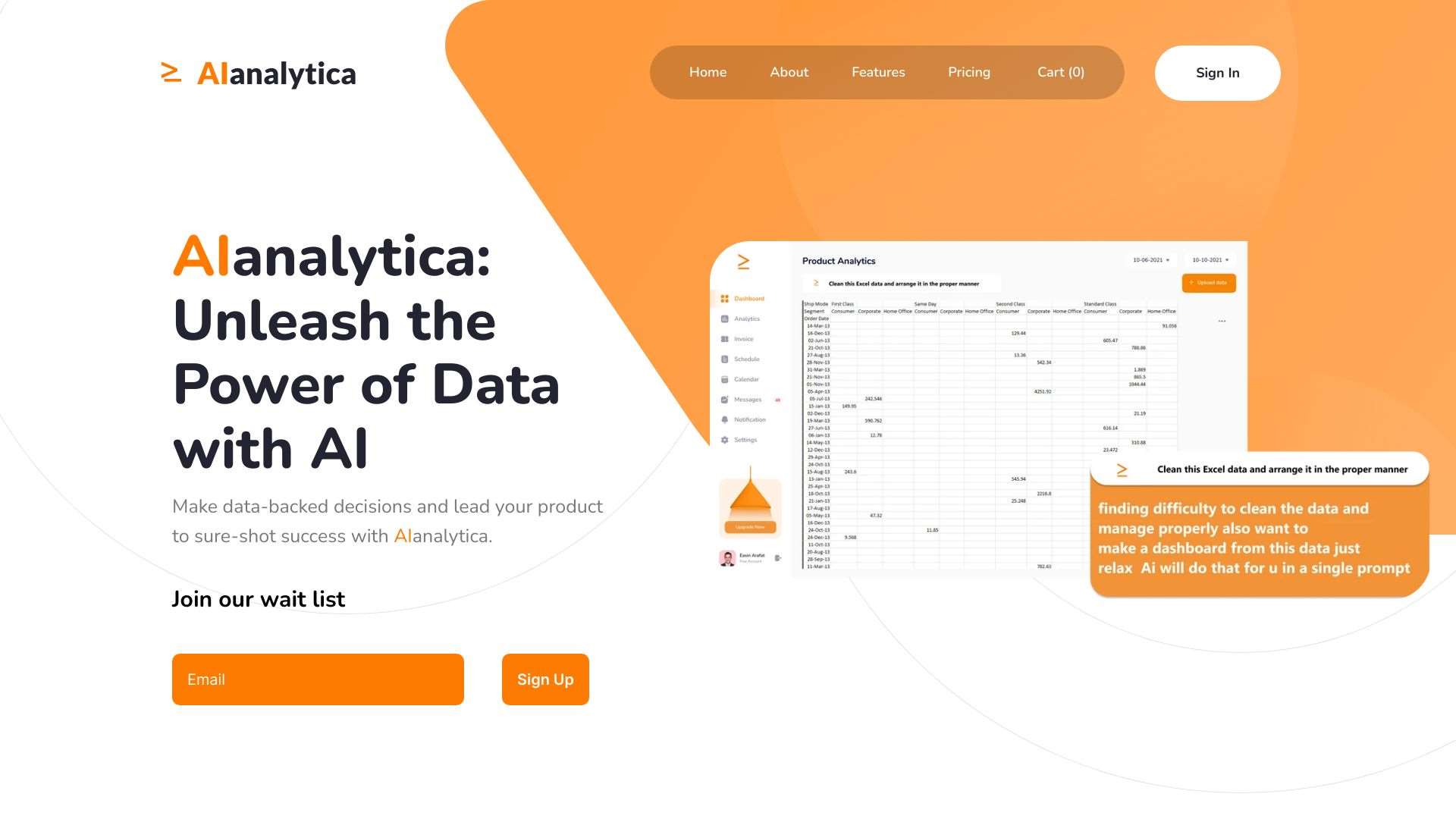
AI-powered analytics platform for actionable insights, process optimization, and business growth.

AI-lyze: AI-powered platform for data-driven insights and decision-making.
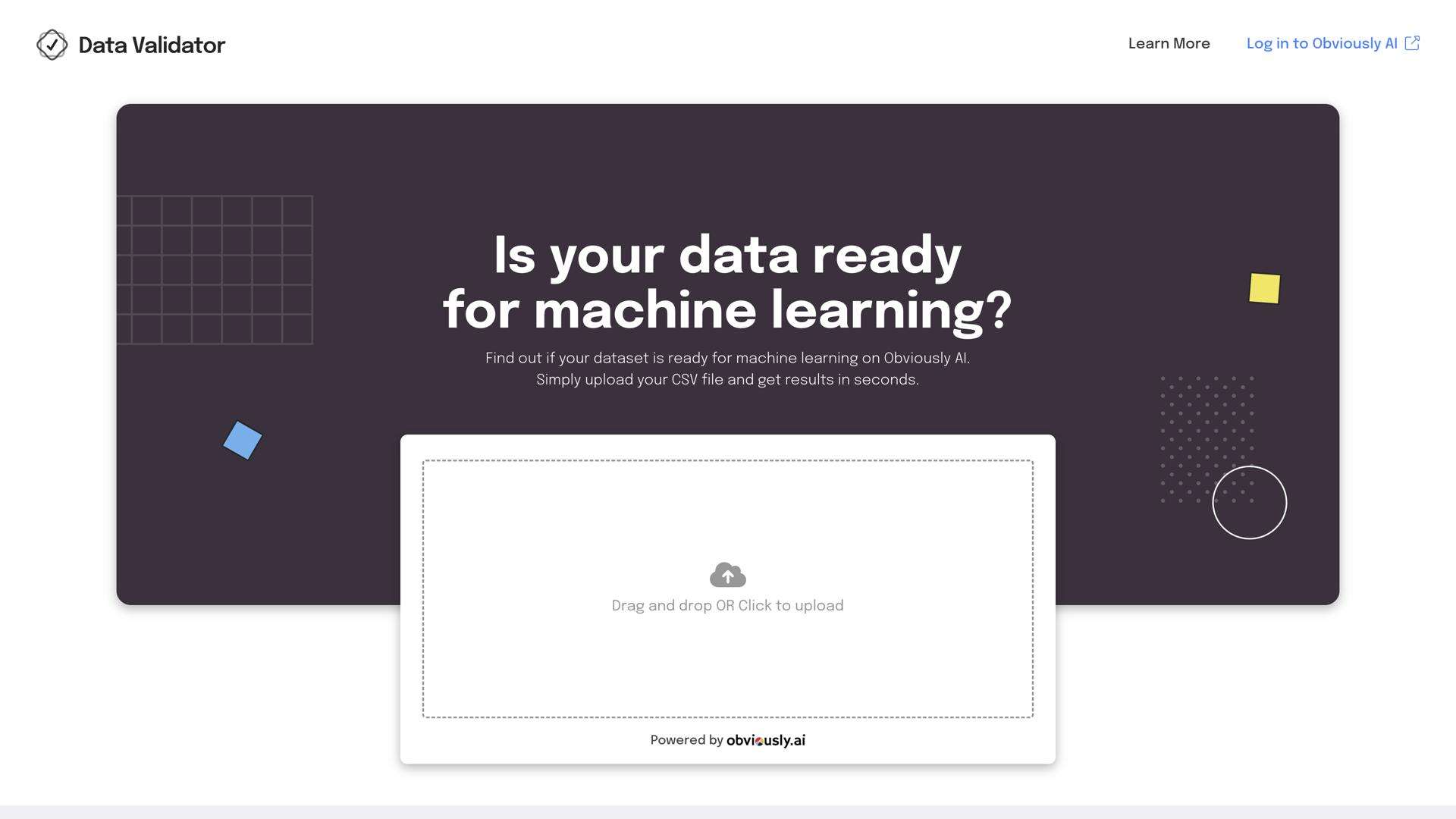
Powerful and simple data validation tool for accuracy, consistency, and reliability.
UserTesting AI analyzes video, audio, text, and behavioral data for deeper insights.
Instantly understand any data using AI-powered analysis.
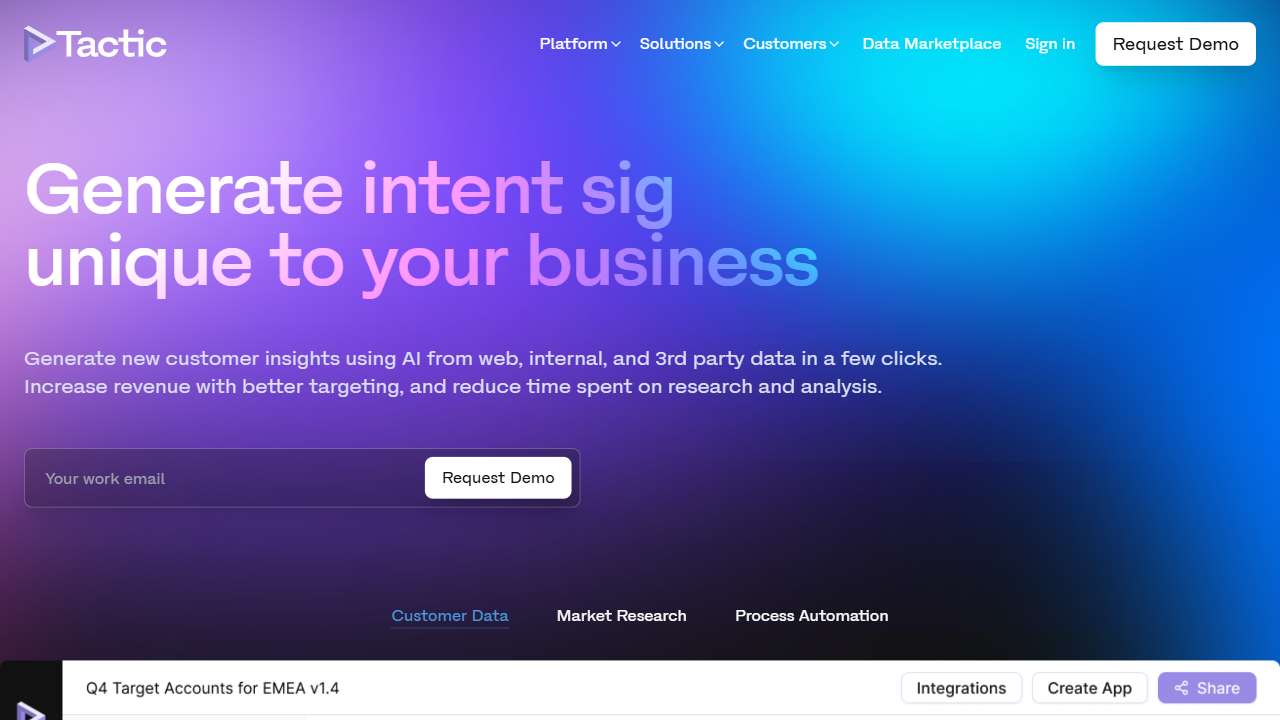
Generates insights from documents, simplifying research, analysis, and decision-making.
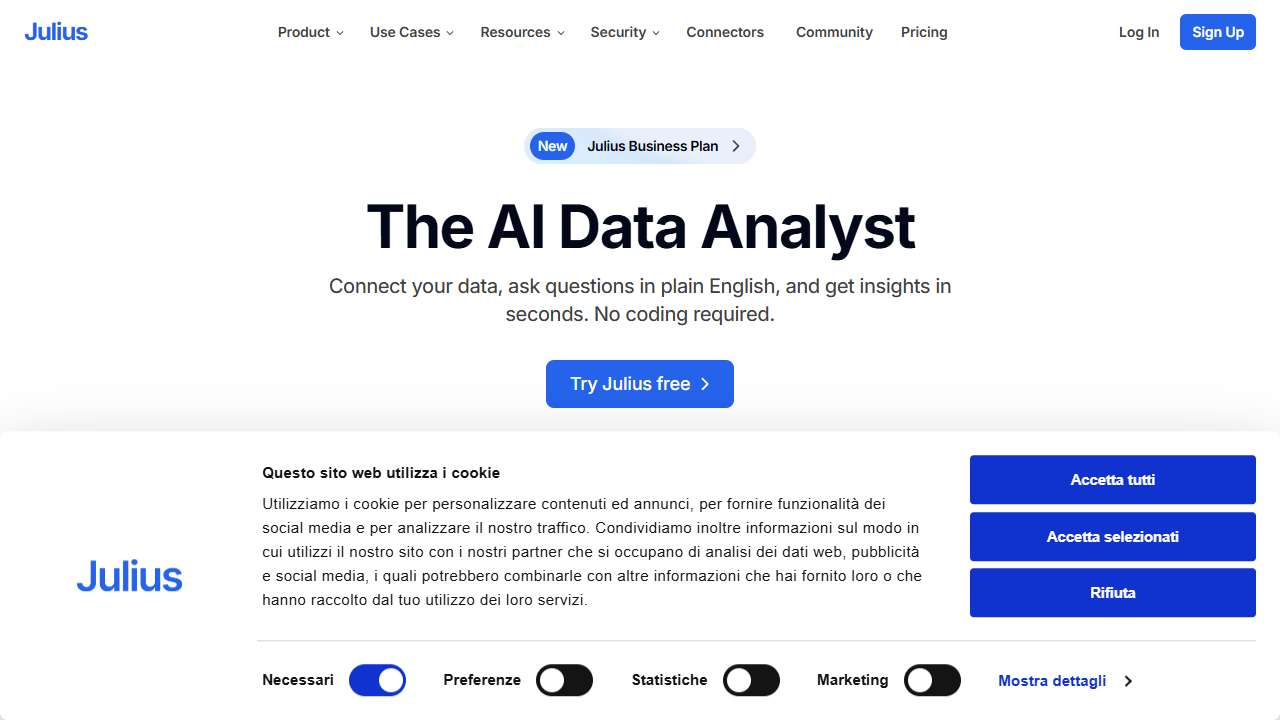
AI-powered data analyst for efficient data analysis and visualization.
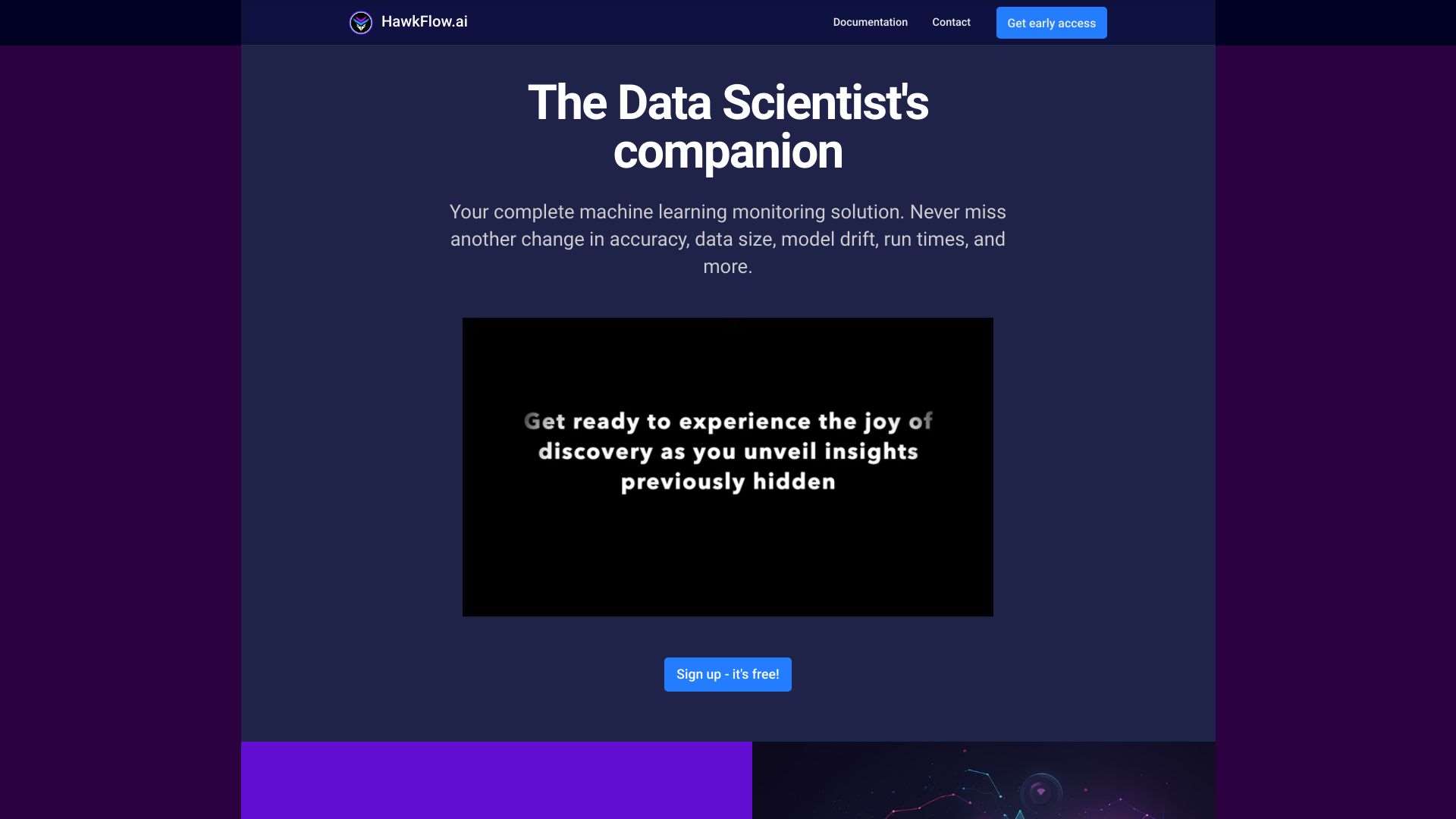
HawkFlow.ai: Monitor code, infrastructure, and business metrics for anomaly detection and trend analysis.
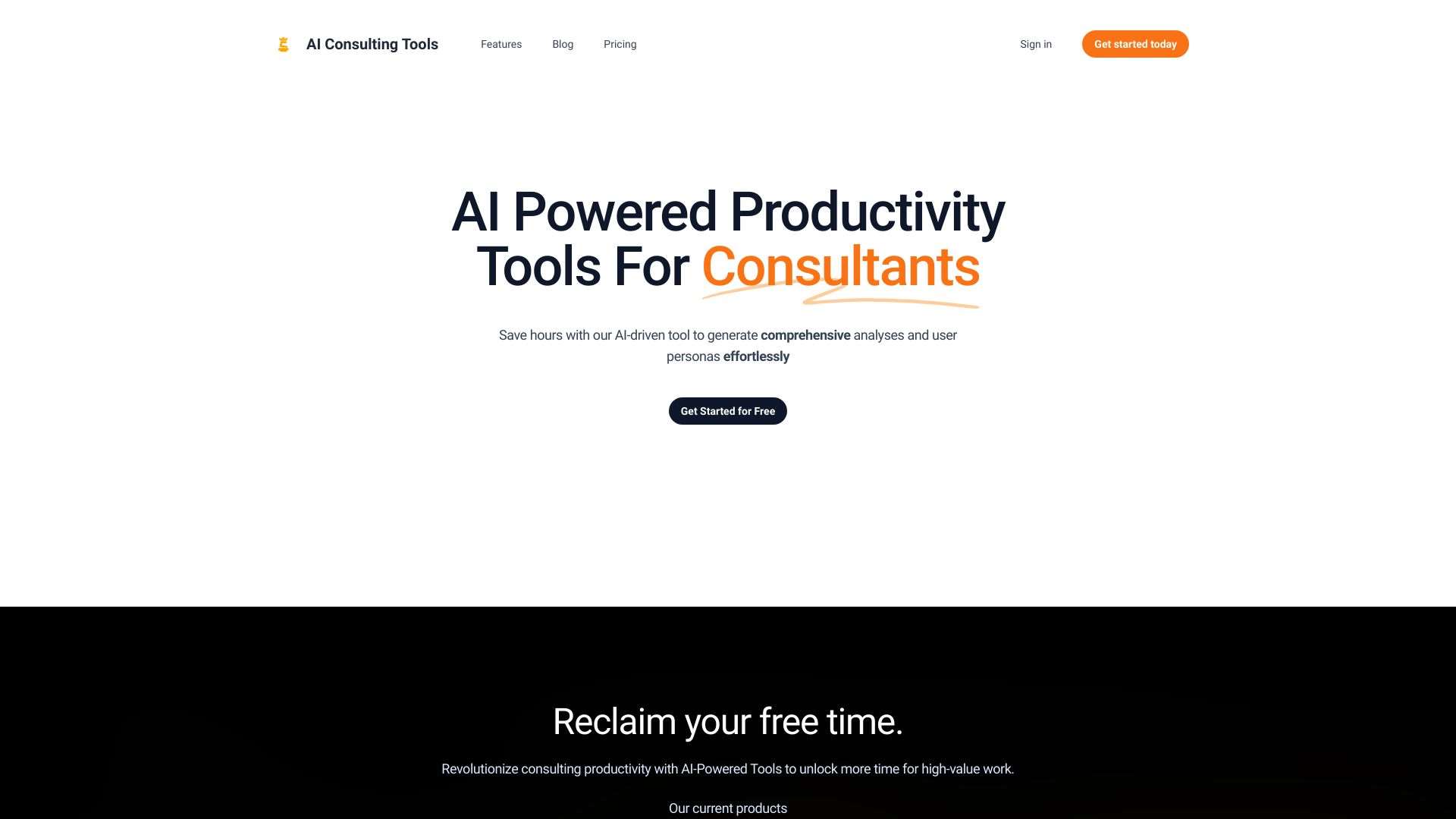
AI-powered platform for generating business analysis reports and insights.
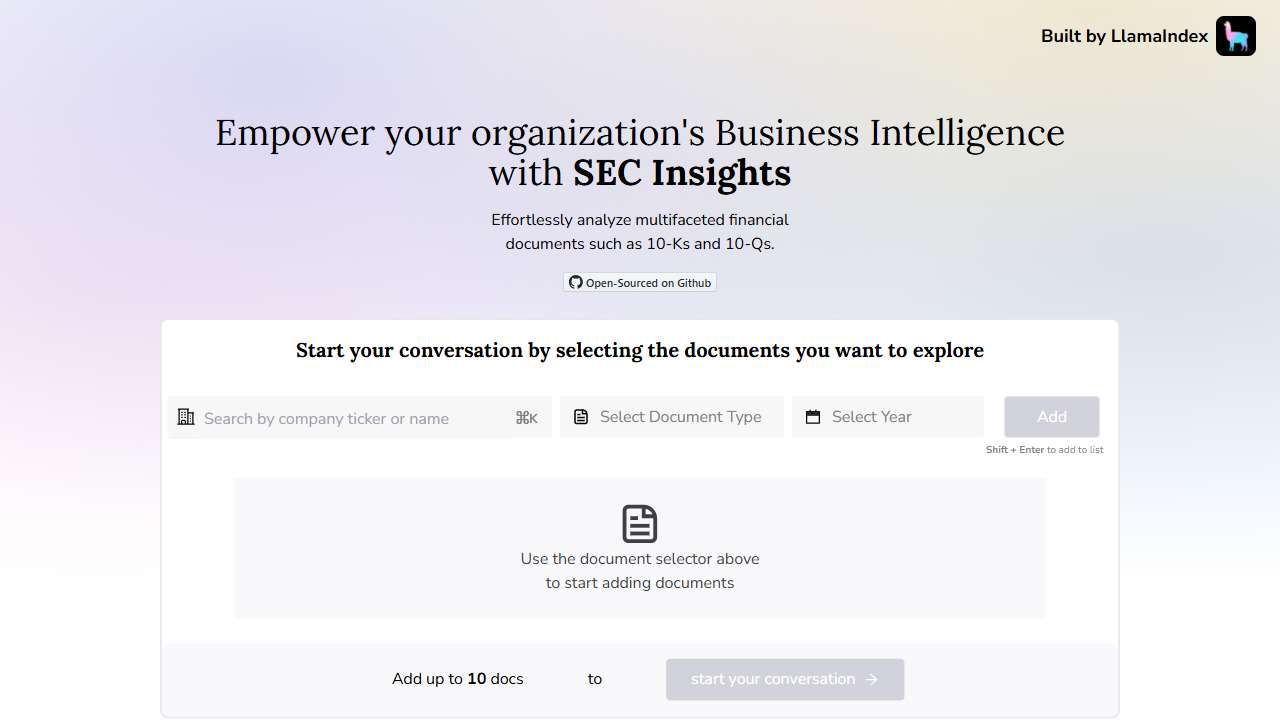
Analyze multiple documents, extract insights, and compare data effectively.
Implementing a Validation Workflow for Reliable Outcomes
To guard against misleading AI predictions, formalize a validation pipeline that runs after each analysis. Step one is provenance capture—link every output value back to its raw data source so that audit trails are traceable. Step two involves automated consistency checks: across multiple models, look for concordance; significant divergence should trigger a manual review.
Step three is stakeholder calibration. Allow domain experts to compare model insights against real‑world observations and apply a confidence scoring system. Use version‑controlled notebooks or dashboards that record the exact model state, hyperparameters, and data snapshot used.
Lastly, institute monitoring dashboards that flag performance drift and anomaly detection over time. Continuous learning cycles should incorporate user feedback loops and re‑training on updated datasets, ensuring that insights remain valid as market conditions evolve.
Moving Forward: Combining Human Insight with AI Power
AI-powered data analysis can unlock insights that would otherwise remain hidden, but the human element—critical thinking, ethical judgment, and contextual awareness—remains indispensable in preventing misleading conclusions. By rigorously cleaning data, selecting trustworthy tools, and embedding validation steps, teams can harness AI capabilities responsibly while maintaining the quality and credibility of their insights.