I tested these AI tools to validate extracted document info
I recently explored various AI plugins that claim to verify accuracy of data pulled from PDFs and scans. Here’s what I found out about their reliability.
Understanding AI Hallucination in Document Extraction
When AI models process structured documents—PDFs, invoices, or transcripts—they often interpolate details that were not present in the source. This phenomenon, commonly referred to as hallucination, introduces inconsistencies that can cascade into downstream analytics, compliance reporting, or contractual obligations.
Hallucinations typically surface in three scenarios: misreading scanned text, overfitting to schema conventions, or generating filler content to satisfy length constraints. In a business context, even a single erroneous field can invalidate the entire record, making validation a critical safeguard.
Key Validation Metrics
To guard against hallucinated data, auditors and developers should rely on a mix of quantitative and qualitative metrics:
- Field-Level Accuracy: Check each extracted field against the original document using OCR confidence scores and cross‑reference tags.
- Schema Consistency: Validate that the extracted data conforms to the predefined schema—dates in ISO format, numeric ranges, and enumerated values.
- Audit Trail Completeness: Record extraction timestamps, model version, and the raw extracted text for post‑mortem review.
These metrics provide a structured way to hunt for deviations, reducing reliance on manual spot checks.
Building a Validation Pipeline
Adopting a multi‑stage pipeline transforms raw extraction into reliable data streams. The pipeline typically involves: ingestion, parsing, initial extraction, automatic sanity checks, and a final layer of human or tool‑driven verification.
Automated sanity checks can flag anomalies such as out‑of‑range values or unexpected text patterns. When a flag is raised, the data is routed to a human reviewer or a dedicated validator tool that cross‑checks content against the source document.
Automating these stages with continuous integration frameworks ensures that new models inherit the same quality gates as legacy ones, maintaining consistency across updates.

AI-powered tool for validating text and reviews, ensuring accuracy and reliability.

Extracts and verifies data from documents uploaded.
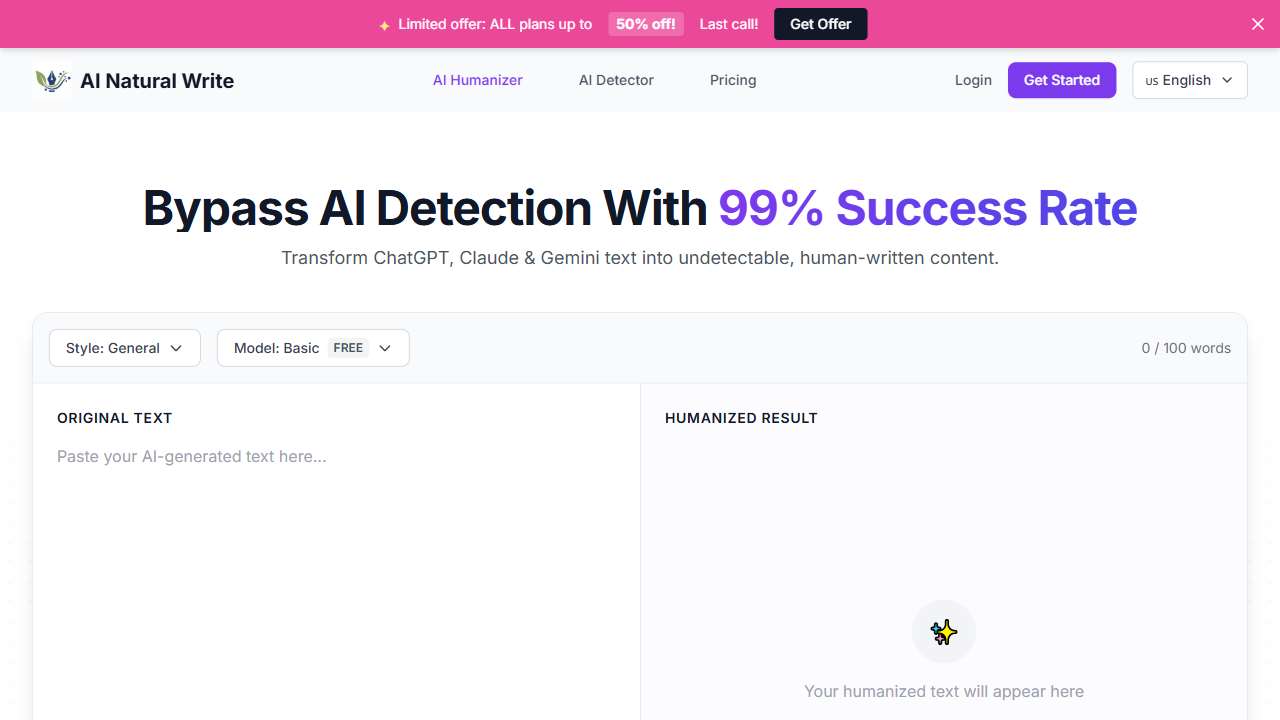
This tool modifies AI-generated text to evade AI detection algorithms.

Transforms AI-generated text into undetectable, human-like writing.
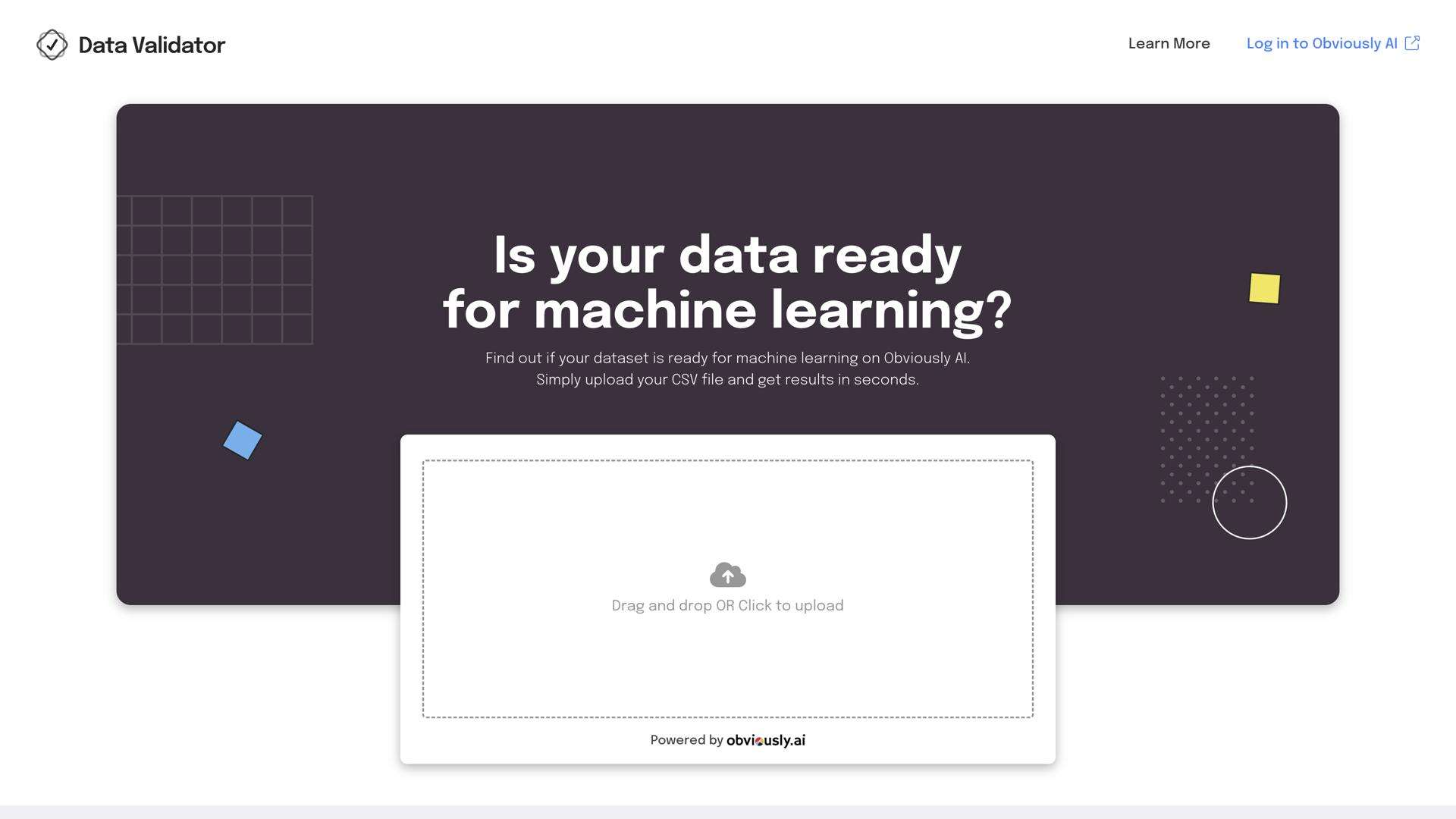
Powerful and simple data validation tool for accuracy, consistency, and reliability.

Transforms AI-generated text to appear human, avoiding AI detection.

This AI writing tool generates undetectable content, bypassing AI detection systems.

Ask health questions and get AI-powered reports with doctor validation.
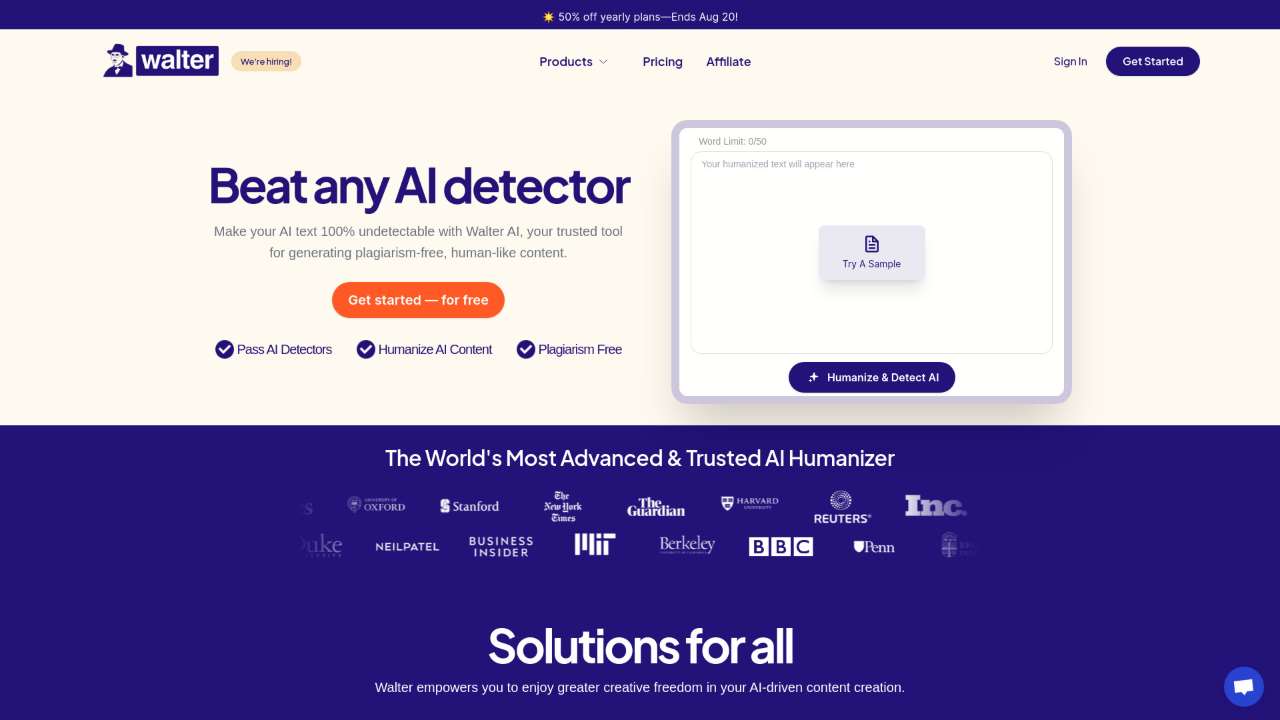
This tool enhances and detects AI content, allowing users to bypass AI detection and ensure originality.
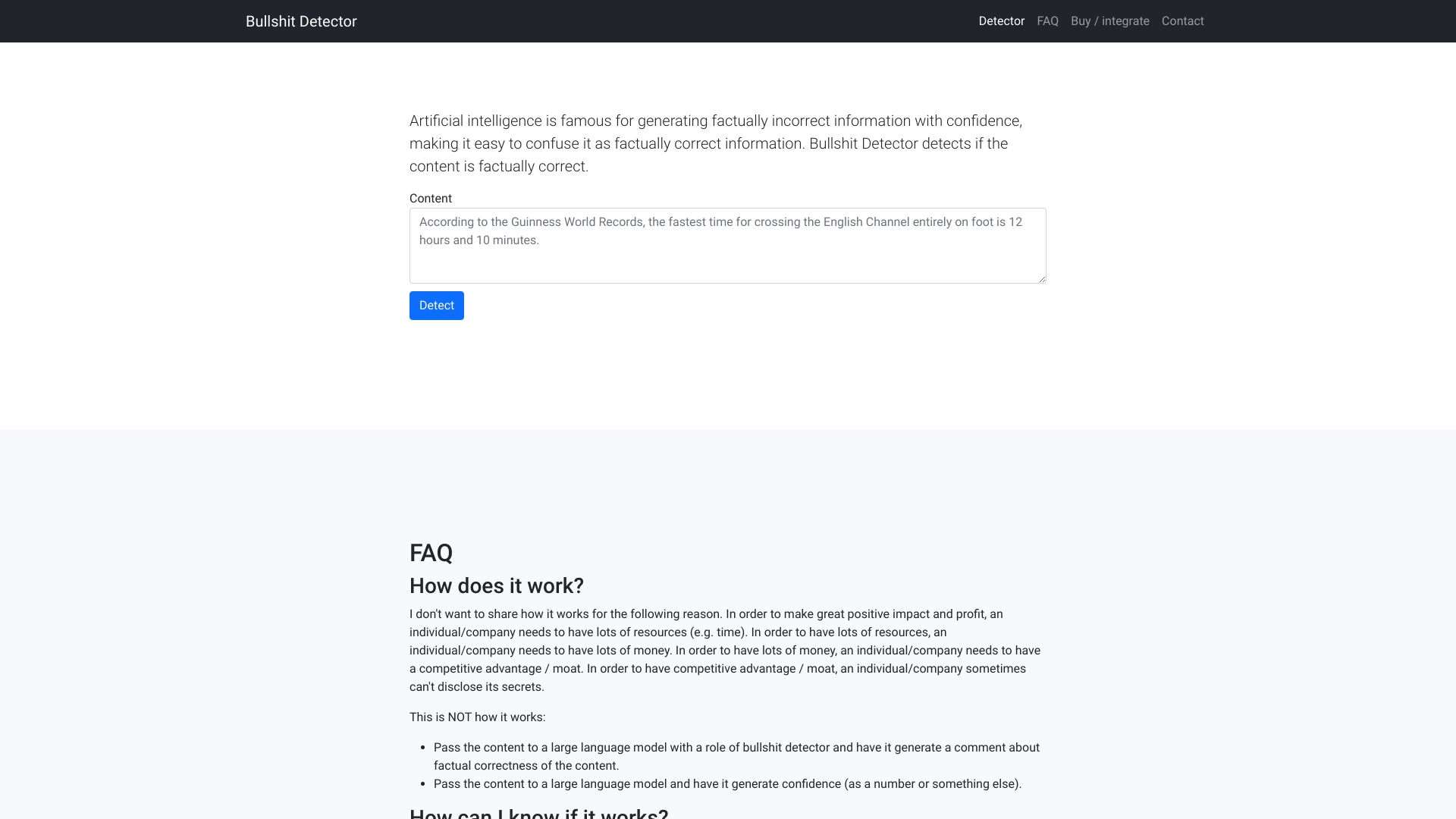
Detects factual accuracy in AI-generated content, helping users identify misleading or false statements.
Tool Comparison
Below is a quick snapshot of the standout features each tool brings to the table. While word‑cloud or score‑based judges are common, deeper inspection tools can directly tap into your document’s metadata.
- AI Detector - Text Validator and Humanize AI focus on making text look human‑authored, useful for post‑generation polishing.
- Troller and Obviously AI Data Validator prioritize raw extraction integrity, offering real‑time verification against the source.
- UndetectableGPT.ai, AI UNDETECT, and Walter Writes AI push the envelope on bypassing AI detection, but can be double‑checked with a separate validator.
- Docus.ai and Bullshit Detector cater to domain‑specific needs—medical compliance and factual correctness, respectively.
Integration Strategies
Implementing these tools in a production environment involves a few key steps. First, expose the tool’s API or web interface as a micro‑service that accepts the raw document, returns the extracted data, and flags potential hallucinations. Second, embed validation checkpoints after each major NLP step, using the free or freemium tools for initial filtering.
Automated test suites should compare extracted datasets against a gold‑standard repository, ensuring that the AI never learns from faulty entries. Finally, deploy a dashboard that aggregates error rates, providing stakeholders with real‑time insight into data quality.
Conclusion
Hallucinations are an inevitable side effect of generative AI, but they need not derail your data pipelines. By leveraging a combination of field‑level metrics, sandboxed validators, and intelligent tool selection, you can keep extracted document information reliable and audit‑ready. The curated list above offers both free and paid options, empowering teams at any budget to tighten their data validation loops.