I used these top AI tools to secure confidential documents
Managing confidential documents can be daunting. These AI solutions make it safer and easier to protect sensitive data with secure handling.
Understanding the Risks of Sensitive Documents
In today’s digital landscape, confidential files—whether they contain customer data, legal contracts, or proprietary research—are prime targets for cybercriminals. Without proper safeguards, a single breach can lead to regulatory penalties, financial losses, and irreparable reputational damage.
Most organizations consider basic protective measures like encryption and access controls sufficient. However, these steps are often applied only after a document has already been compromised. The real challenge is ensuring security from the moment a file enters your system, and throughout its lifecycle, especially when it is shared or processed by third‑party tools.
To navigate this complex terrain, combining best practices with specialized AI solutions becomes essential. The following sections outline how to elevate your document protection strategy and the top AI tools that can help you secure sensitive information effectively.
Best Practices for Securing Confidential Data
Every security strategy starts with a robust policy. Define who can view, edit, and distribute sensitive documents, and enforce those rules through role‑based access controls. When possible, keep data in a centralized, encrypted vault rather than scattered across multiple devices or cloud services.
In addition to access control, adopt a layered approach: use classification tags to label documents by sensitivity level, apply data‑loss‑prevention (DLP) sensors for real‑time monitoring, and schedule regular audits to check for accidental exposure. For often‑shared files—such as PDFs, spreadsheets, and PDFs—integrate automated redaction tools that can strip or mask personal identifying information before sharing.
Finally, educate your workforce. Even the best technology can be undermined by human error. Conduct annual training sessions that emphasize the risks of insecure sharing, social engineering attacks, and the importance of keeping software up‑to‑date.
AI Tools That Help You Stay Secure

ColPat streamlines document management and compliance with secure, cloud-based storage and automated checks.
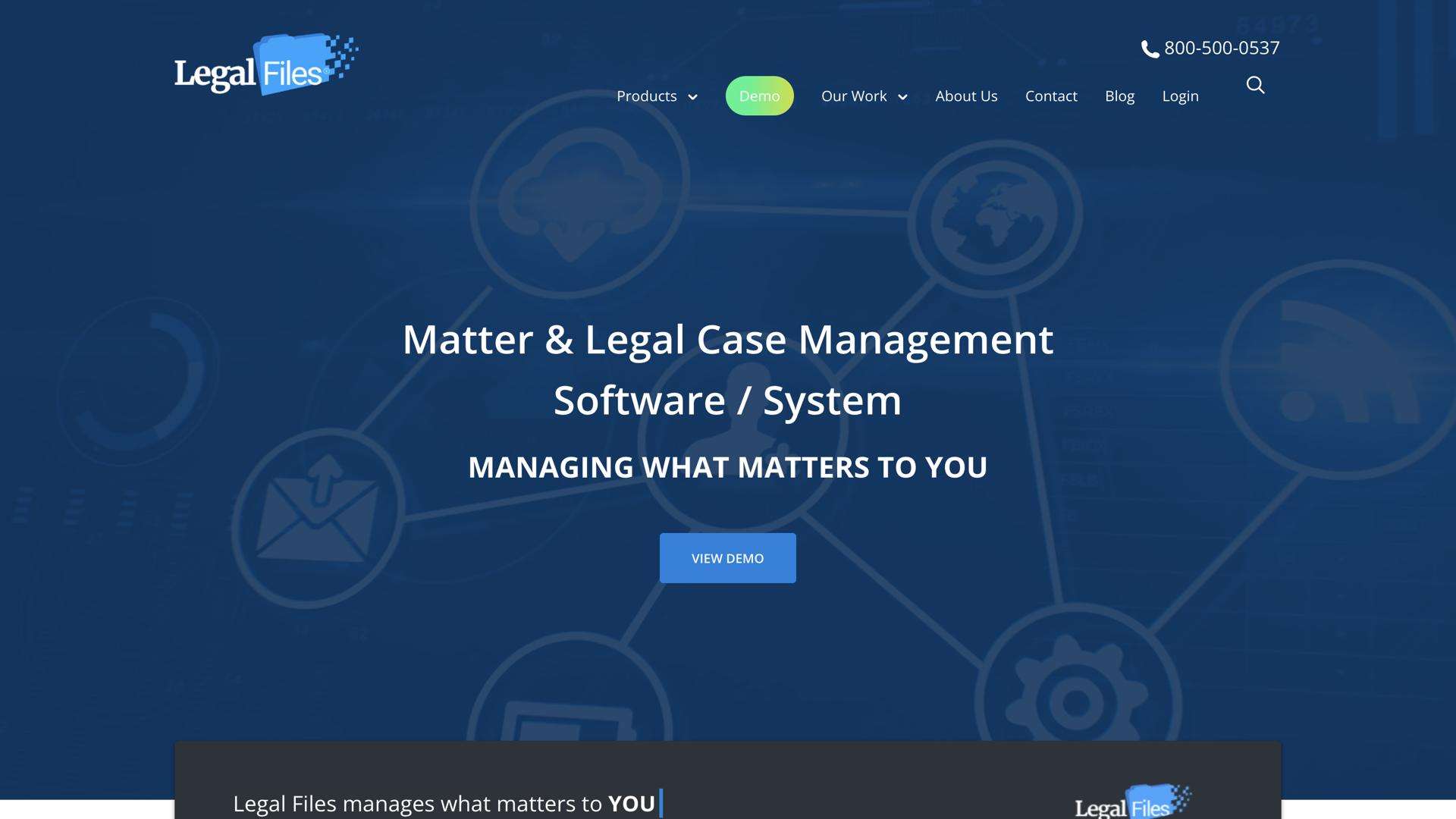
Legal Files: Secure, easy-to-use tool for managing legal documents, cases, and client data.
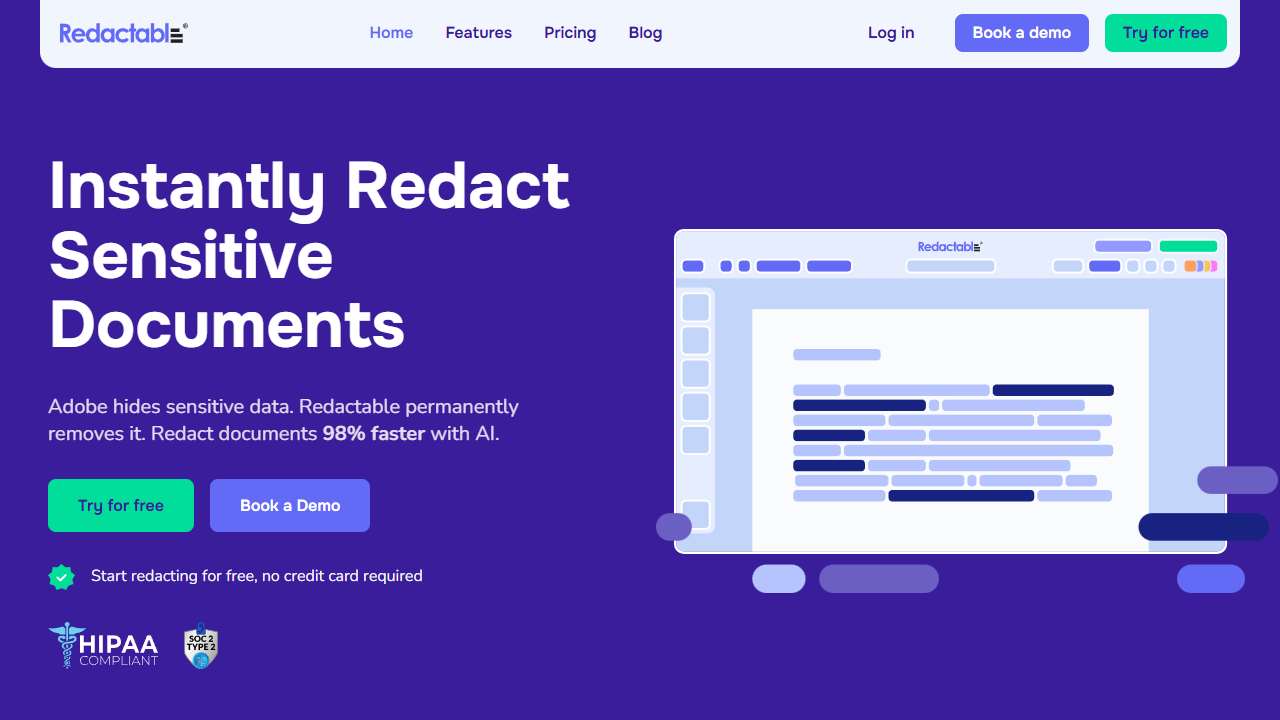
Automates redaction of sensitive information from documents quickly and securely.
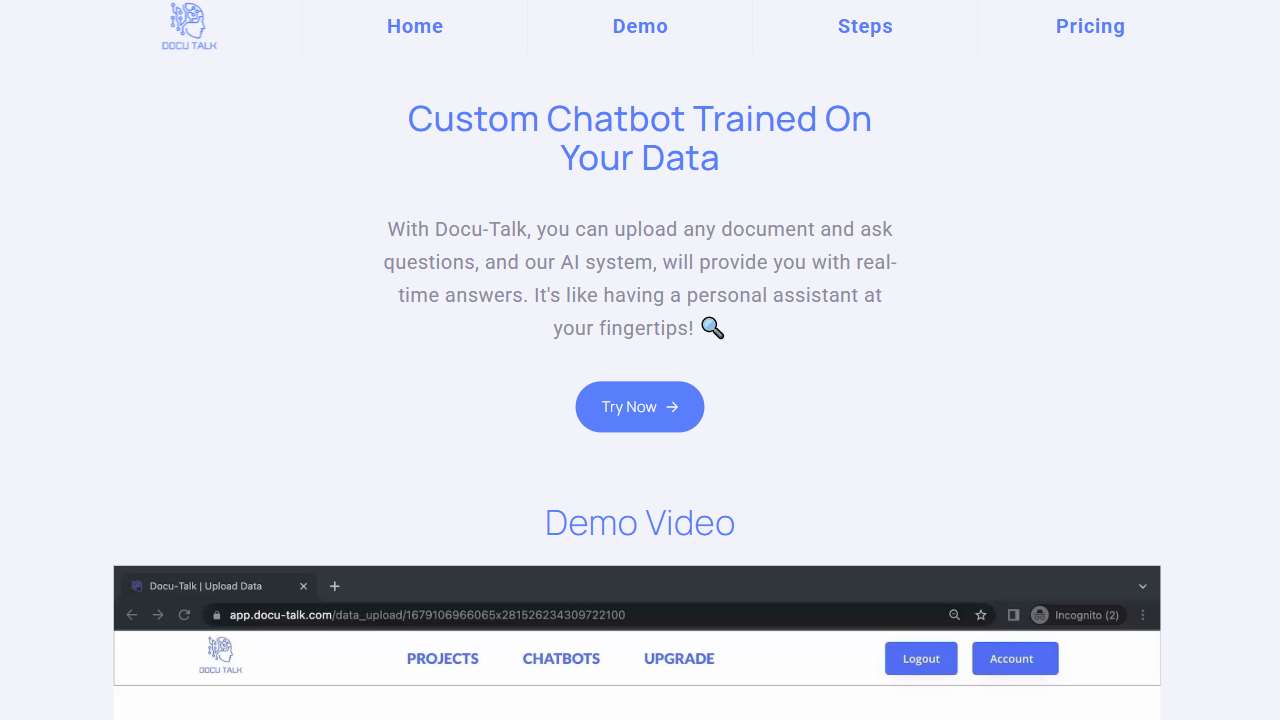
Quickly manage and retrieve information from documents.
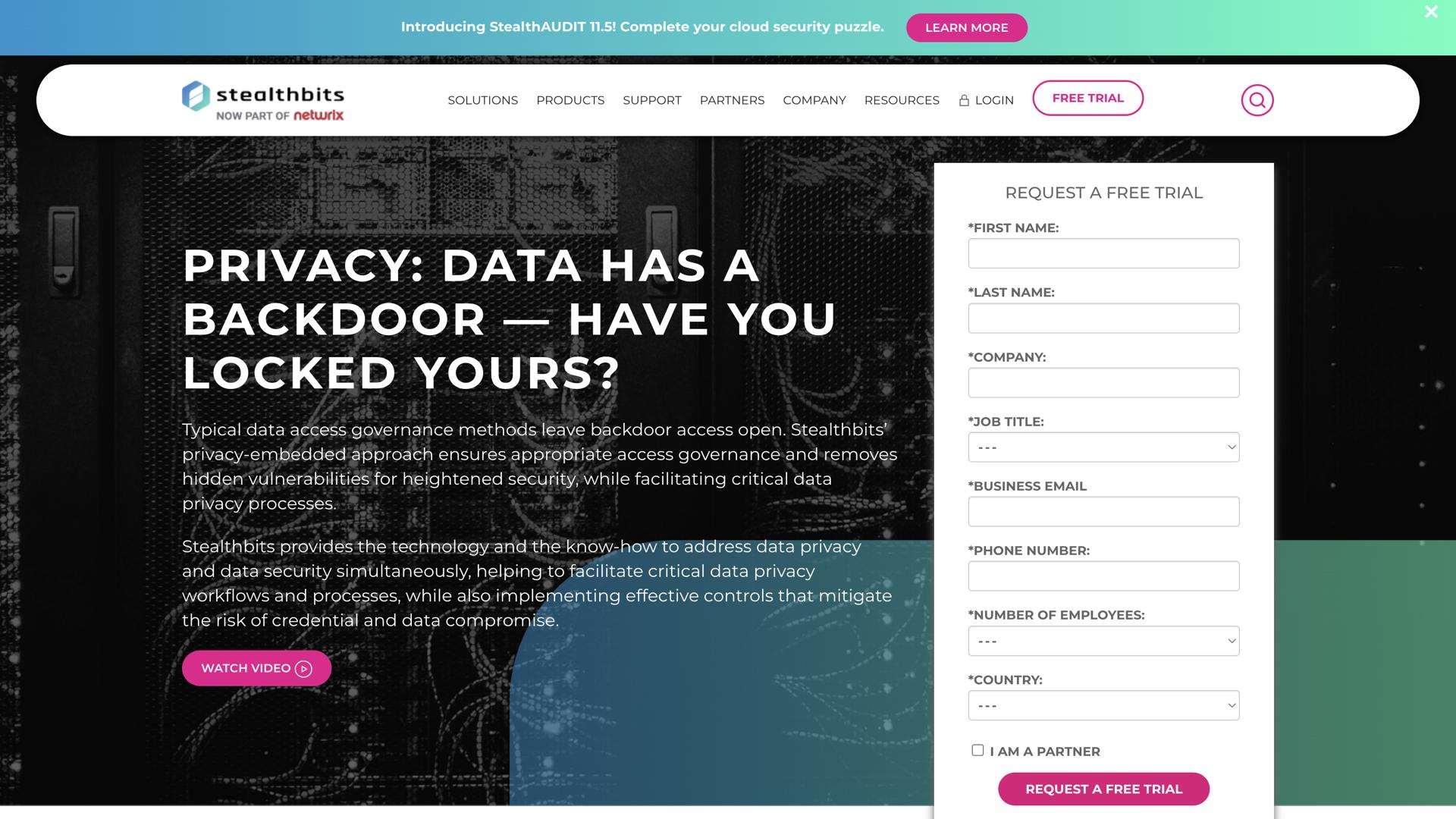
Stealthbits: Advanced data privacy solution for comprehensive protection and compliance.
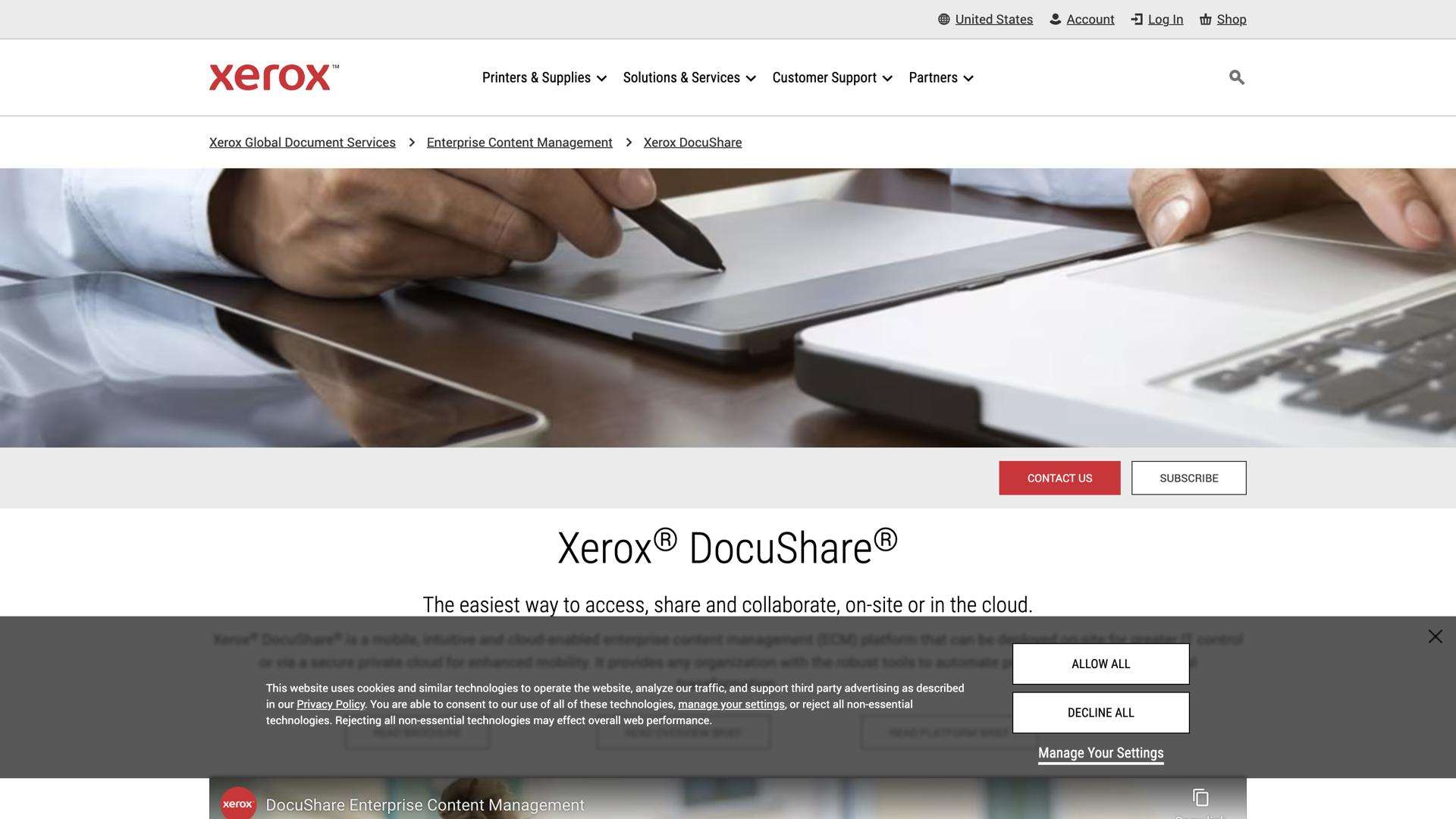
Xerox DocuShare: Streamline document workflows with cloud-based scanning, storage, and collaboration.
Cape Privacy protects your sensitive data when using LLMs by encrypting documents and redacting sensitive information.
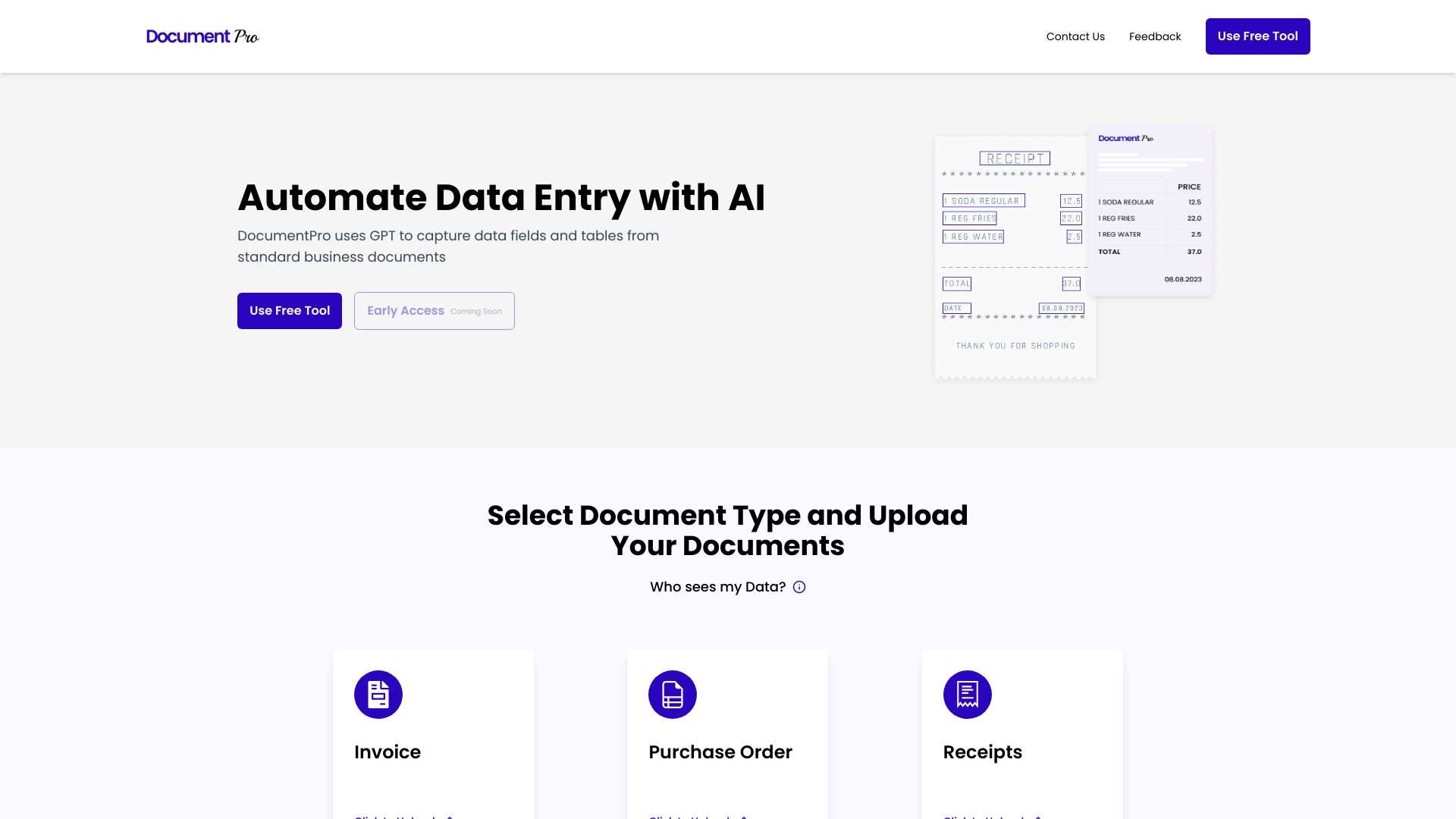
DocumentPro automates data entry using AI to extract information from documents and emails.

Synthetic.id provides a secure platform for users to protect and control their personal data.
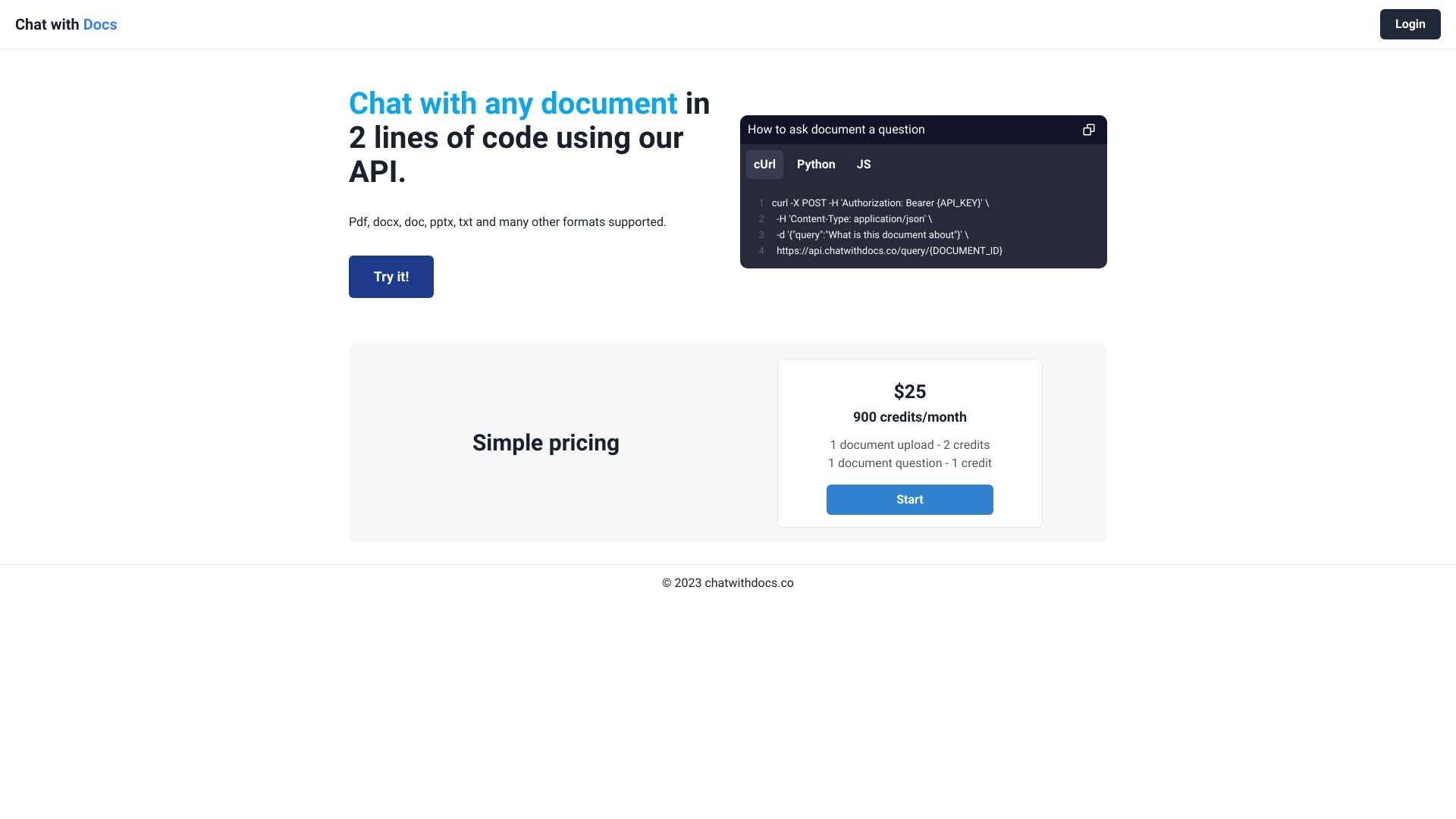
Chat with Docs: Interact with documents via API, querying PDF, DOCX, and more.
Choosing the Right Tool for Your Organization
Not every tool is suitable for every business. Start by mapping your organization’s specific workflows: Are you handling large volumes of legal documents, customer contracts, or internal research? The answer will influence whether you need a robust compliance platform or a lightweight, fast‑redaction solution.
Assess integration requirements next. If your existing systems use Enterprise Resource Planning (ERP) or Customer Relationship Management (CRM) software, look for AI tools that offer native connectors or API support. For example, DocumentPro and ChatWithDocs.co provide rapid deployment through simple API calls, making them ideal for teams that rely on automated extraction and querying.
Finally, evaluate cost versus impact. Free or freemium solutions like ColPat and Docu‑Talk provide essential features, but paid options such as Redactable often deliver deeper security layers, like automatic redaction and audit trails, that can be critical for regulated industries. Balance your budget against the level of compliance required, and consider a pilot run to verify tool effectiveness before full rollout.
Conclusion
Securing confidential documents is an ongoing, multi‑layered effort that blends policy, technology, and people. By implementing best practices—strong access control, data classification, and automated redaction—and leveraging advanced AI tools, you can protect sensitive information at every stage of its lifecycle. Choose a solution that aligns with your workflows, budget, and compliance needs, and stay vigilant by regularly updating processes and training. With the right combination of policies and technology, you’ll turn the challenge of document security into a robust safeguard for your organization’s most valuable data.