I use these AI tools to stay compliant with privacy regulations
Compliance with privacy regulations is essential for trusted AI deployment. Use these tools in a privacy‑first way to stay compliant.
Why Compliance Matters
In an age where data is the lifeblood of digital businesses, forgetting the law is no longer an option. Regulations such as GDPR, CCPA, and ISO 27001 set mandatory guardrails that protect consumer privacy and ensure operational transparency. Violations can result in hefty fines, brand damage, and loss of consumer trust.
Beyond monetary penalties, non‑compliance undermines the integrity of AI systems that collect and analyze personal data. By embedding compliant practices from the outset, companies can harness AI’s power responsibly and sustainably.
Assessing Tool Features: Privacy by Design
Choosing the right AI tools requires a clear understanding of how each platform handles privacy. Key criteria include data minimization, encryption, user consent management, auditability, and local data processing.
When evaluating a tool, ask these questions:
- Does it offer granular consent mechanisms?
- Are raw data and training models decoupled from personally identifiable information (PII)?
- Can it generate compliance reports that satisfy regulatory auditors?
Integrating AI into Your Compliance Workflow
Start with a compliance checklist and map each AI tool to the steps it supports. For instance, tools that provide opaque data collection can be paired with a consent manager to keep user agreements up to date. Automation is key: let AI solutions flag anomalous data usage in real time so your security team can intervene immediately.
Partnering with AI tools that integrate with existing pipelines (cloud platforms, CI/CD, and DevOps) reduces friction and lowers the risk of accidental data leakage.
The Toolbox That Keeps You GDPR‑Ready
Below is the curated set of AI‑powered solutions that help maintain compliance while unlocking business insights. Each card displays the tool’s icon, name, pricing, a concise description, and a direct link for quick access.
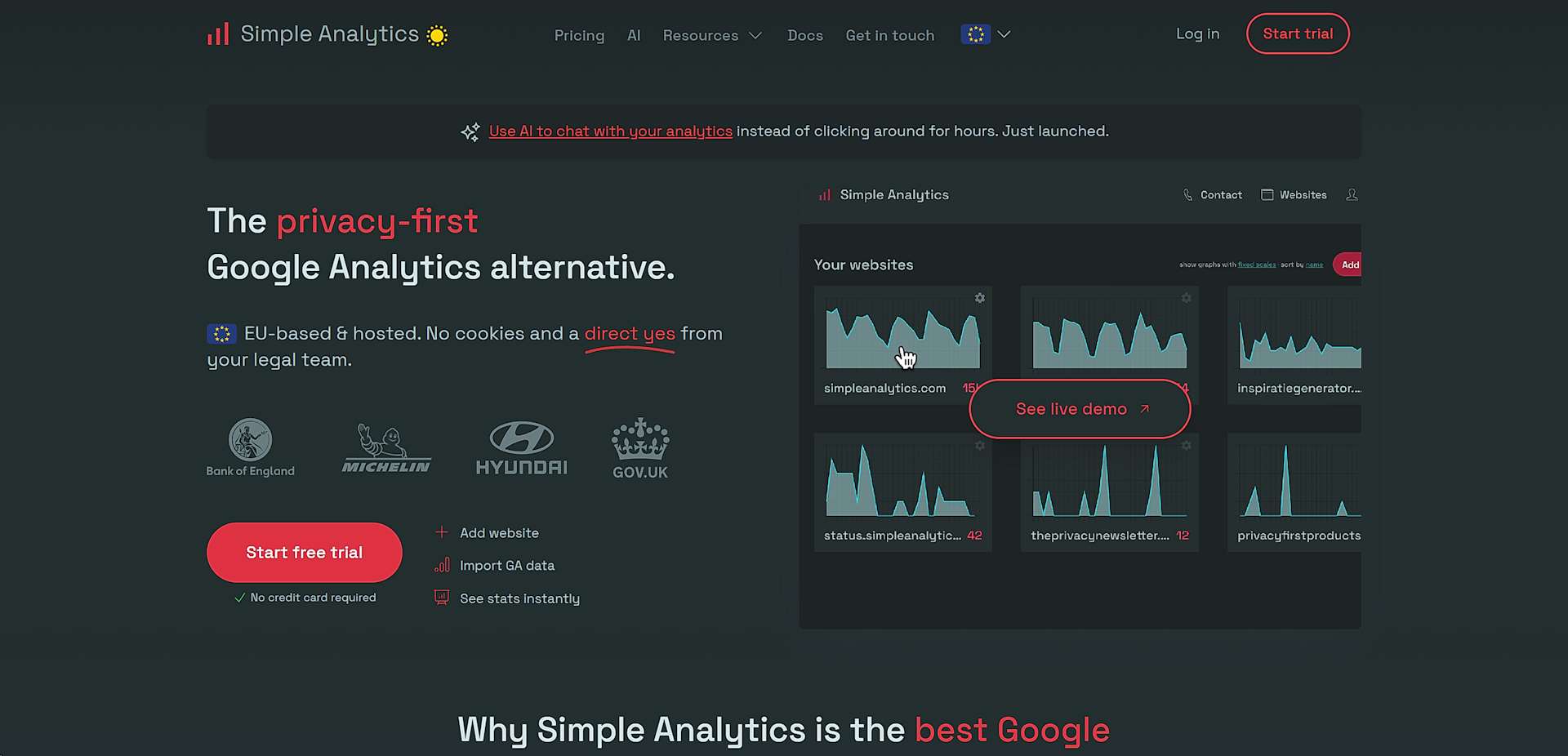
A privacy-focused Google Analytics alternative, fully GDPR compliant.
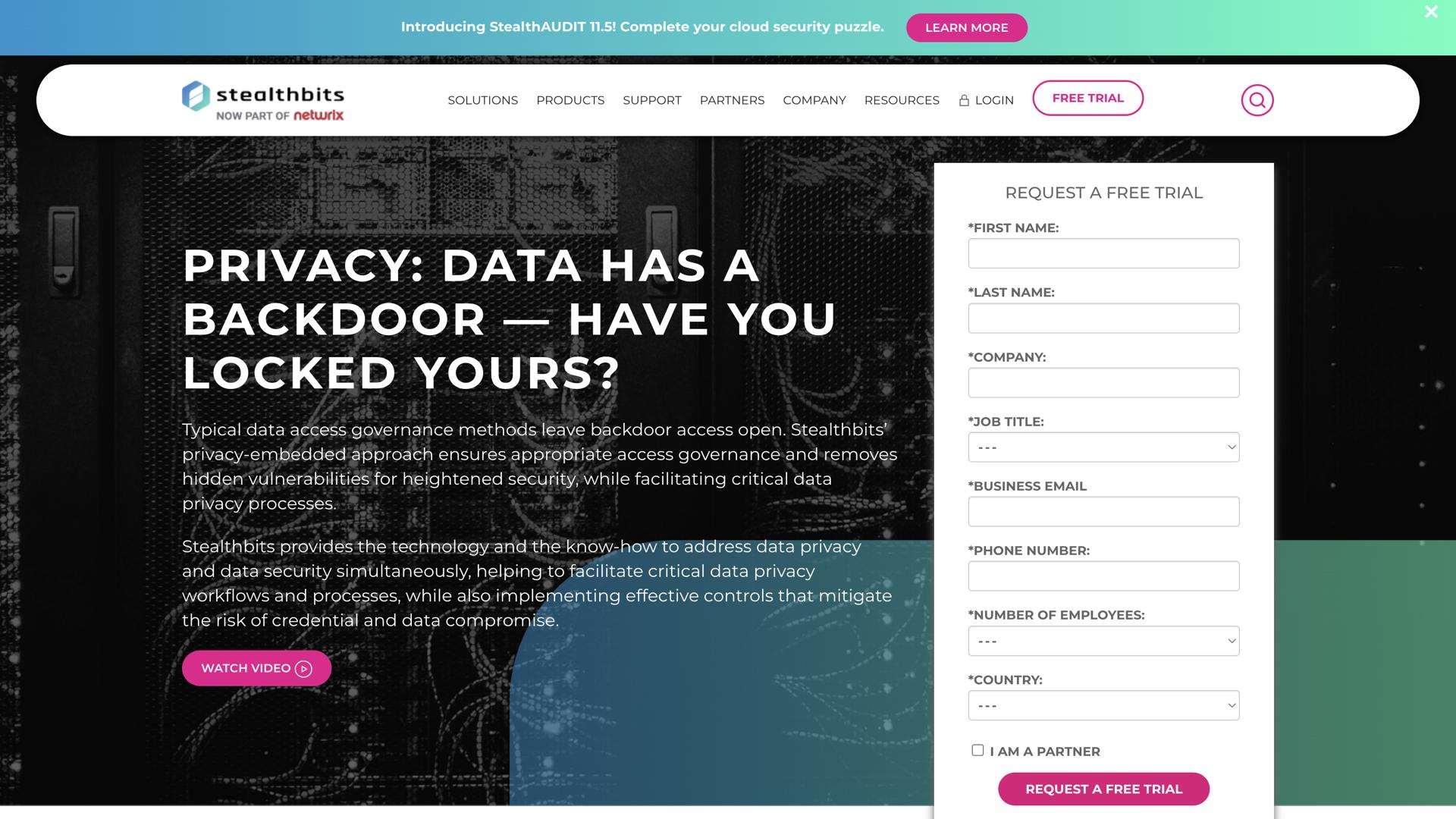
Stealthbits: Advanced data privacy solution for comprehensive protection and compliance.
Accelerates development and adoption of privacy‑centric open‑source AI models.
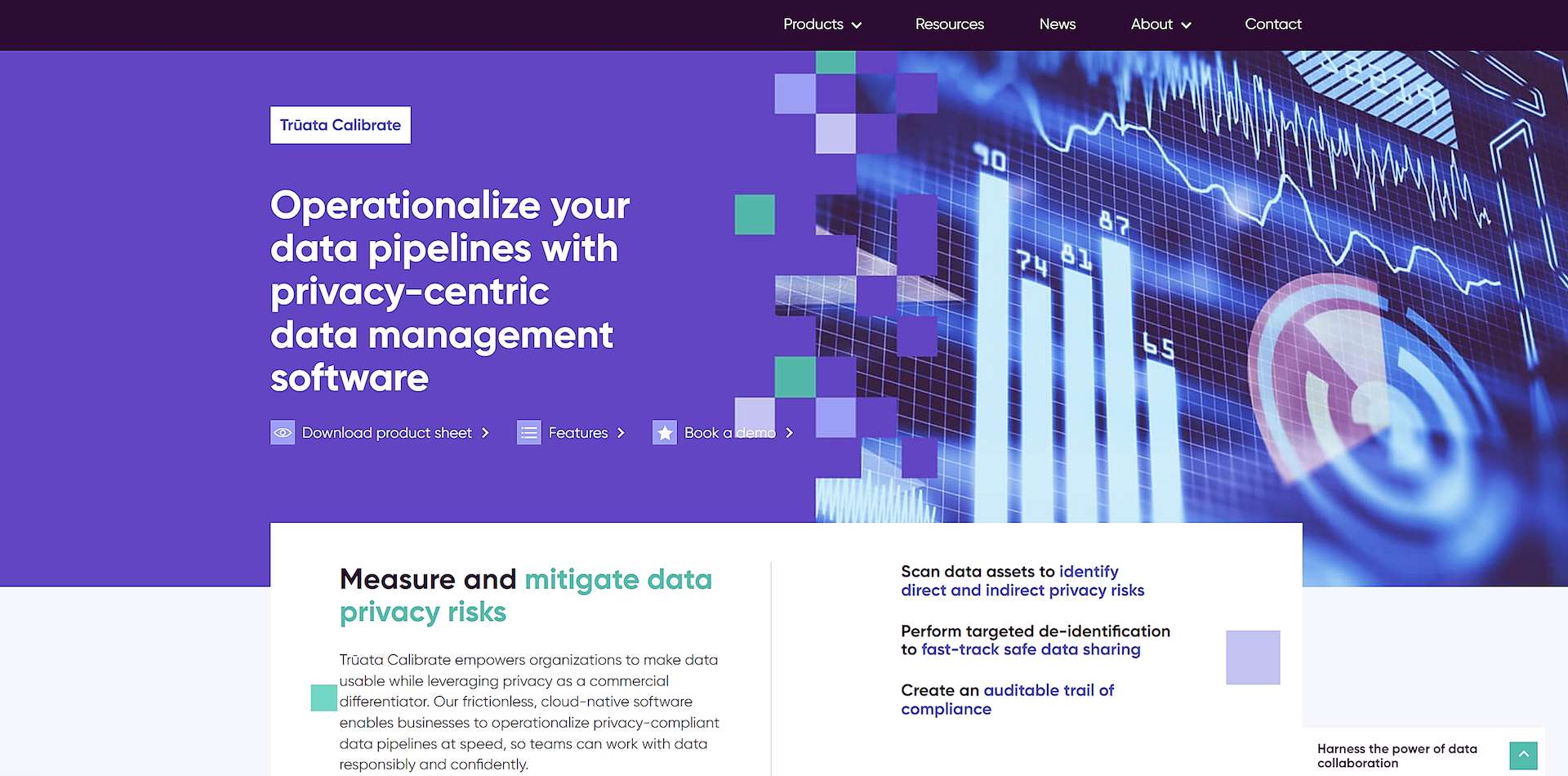
Leverage private data for growth, ensuring compliance with data protection regulations.
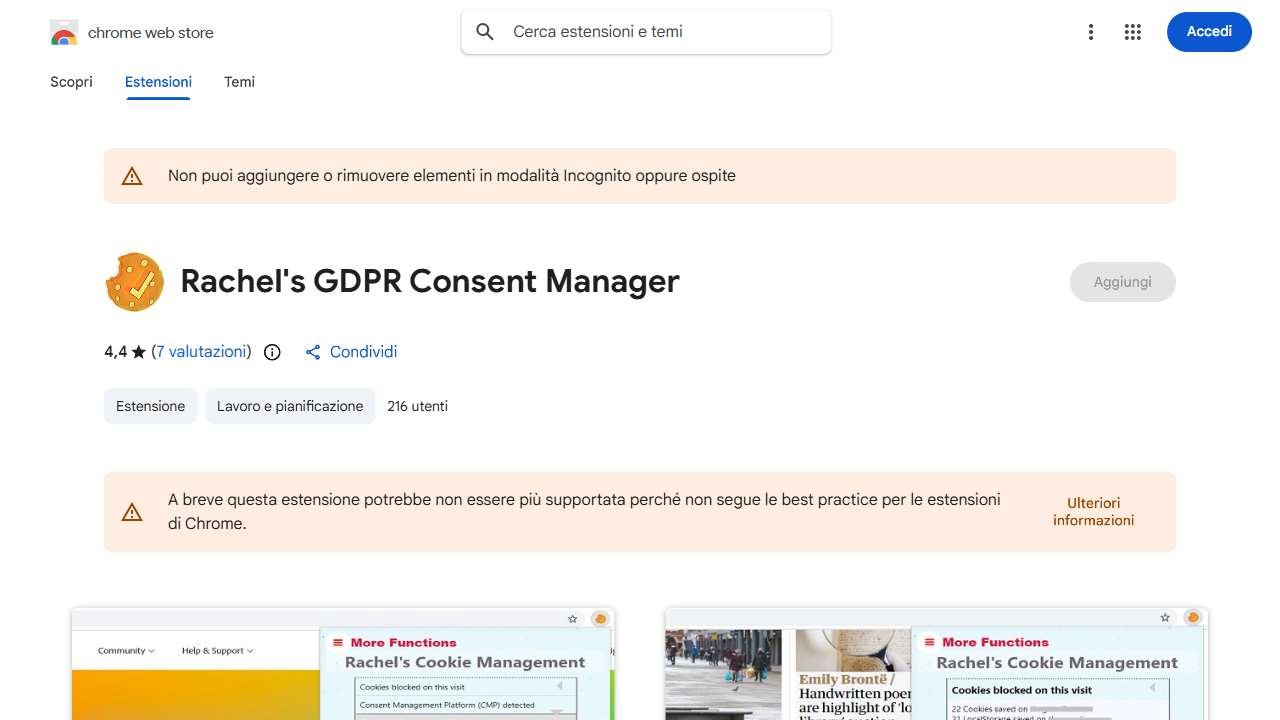
Browser extension for managing GDPR consent and analyzing cookies.
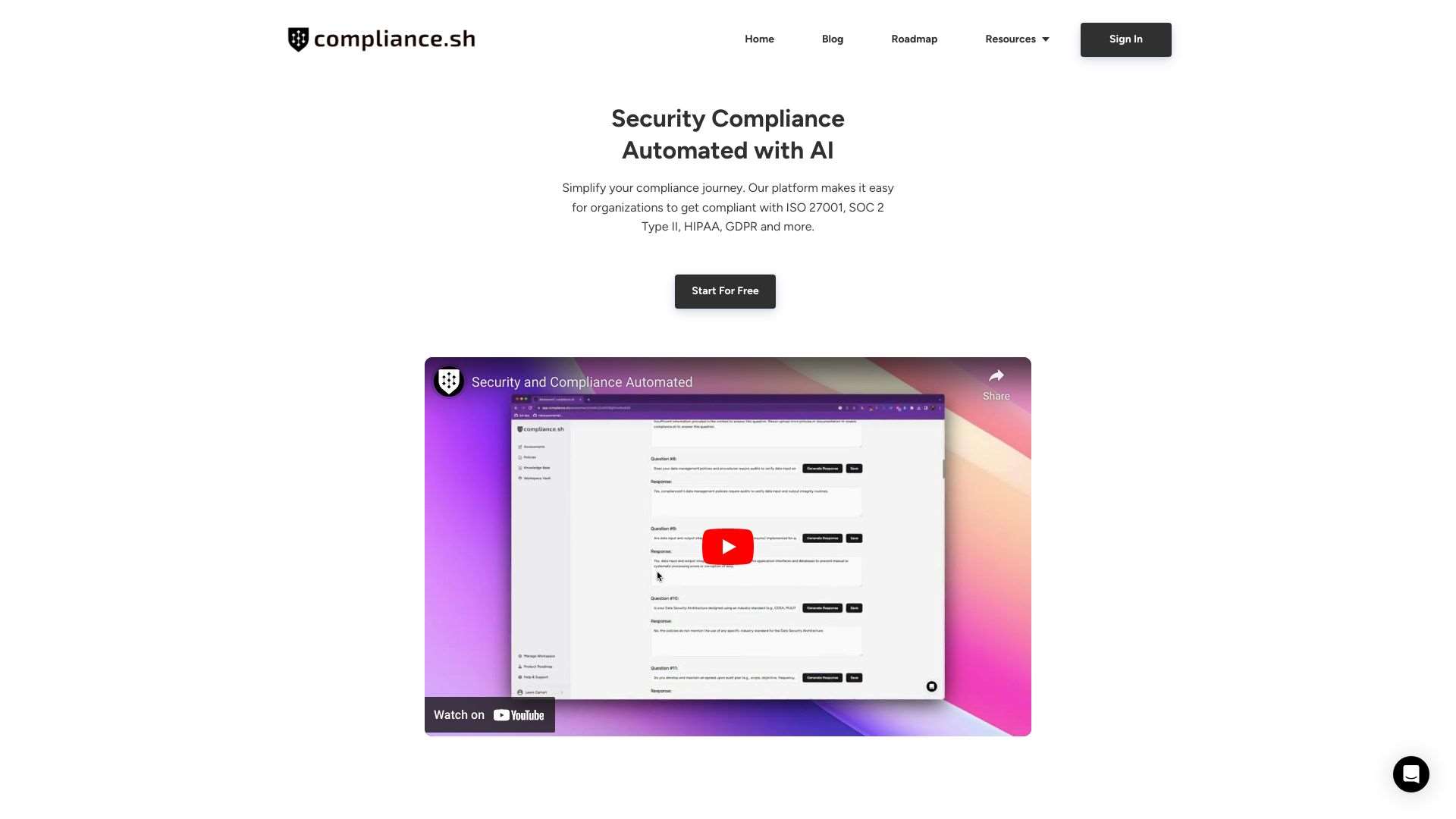
Automates compliance with ISO 27001, SOC 2, HIPAA, GDPR, and more using AI.
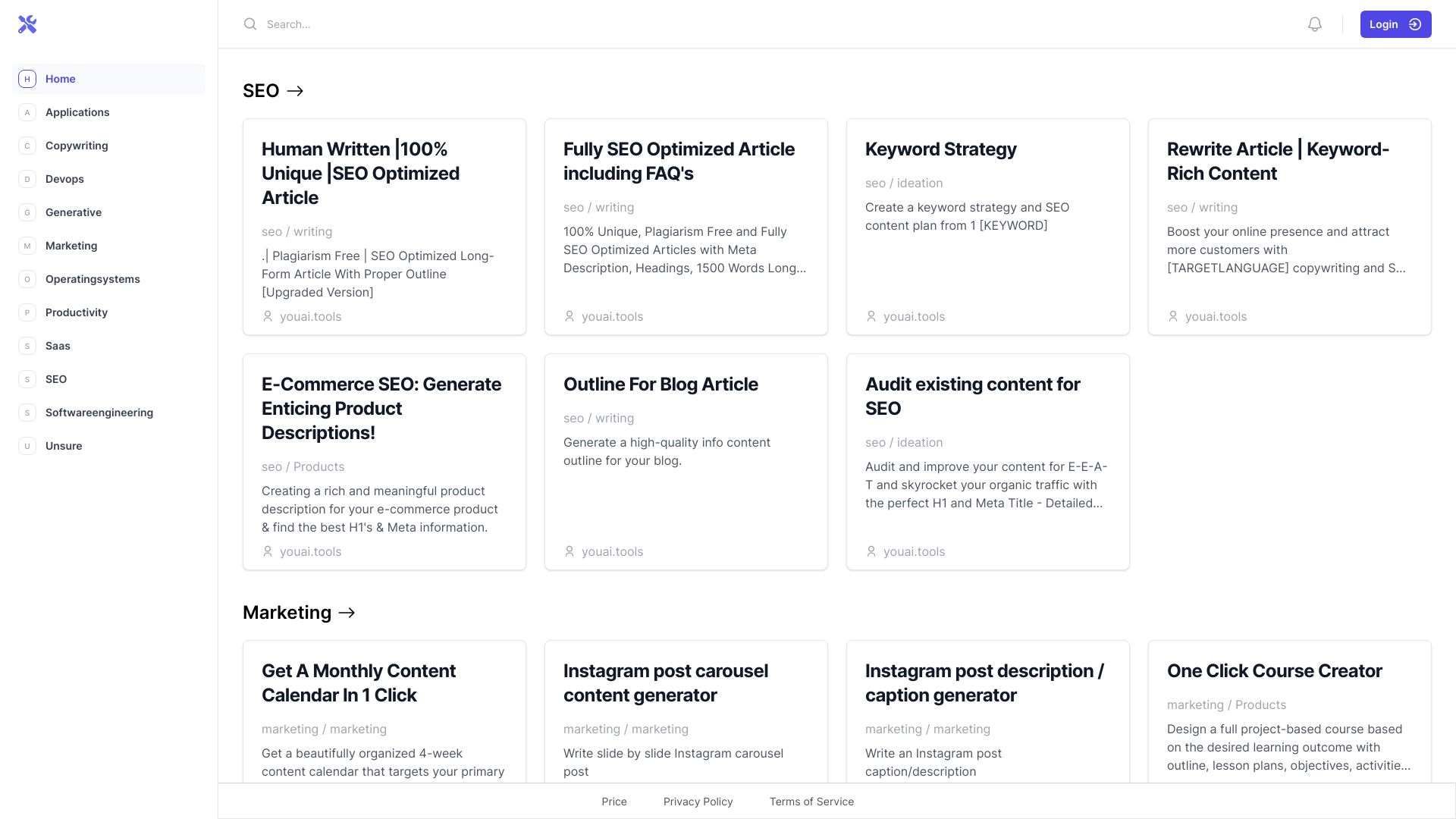
Provides website information: prices, privacy policy, and terms of service.
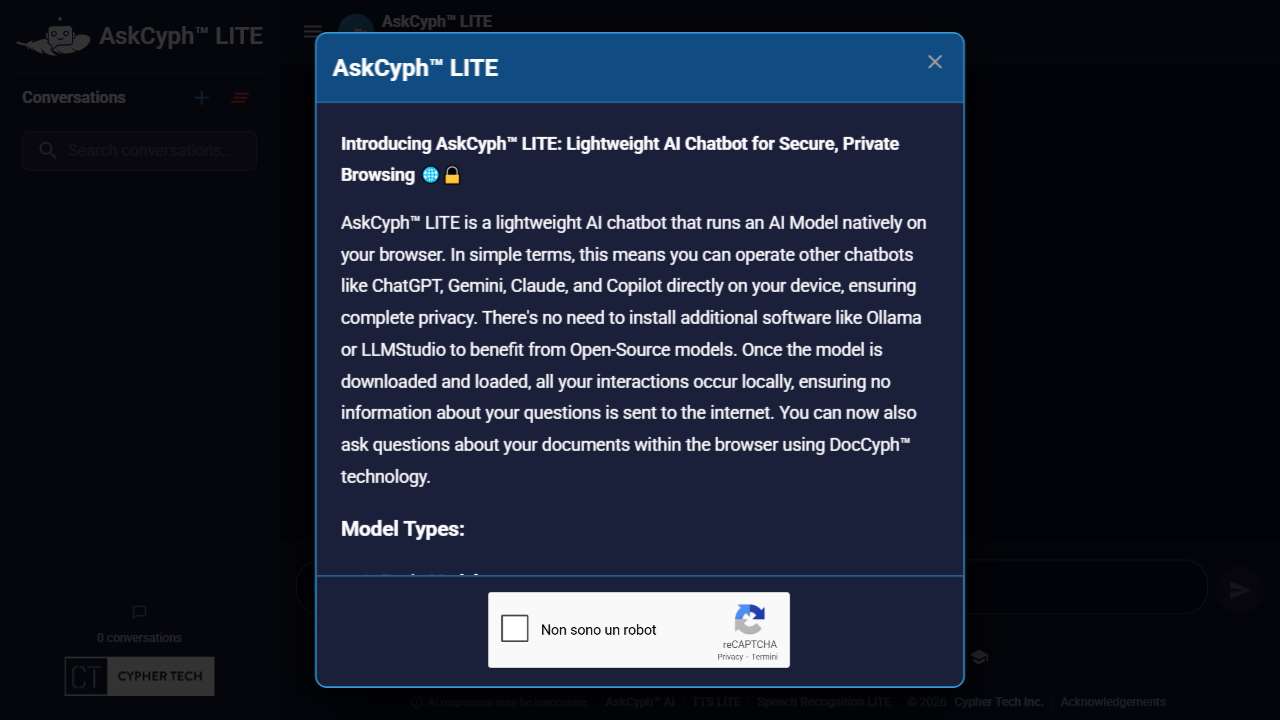
Run AI models privately in your browser, keeping data local for enhanced security.

A premium privacy platform providing intelligent attack surface management to protect businesses from social engineering attacks.
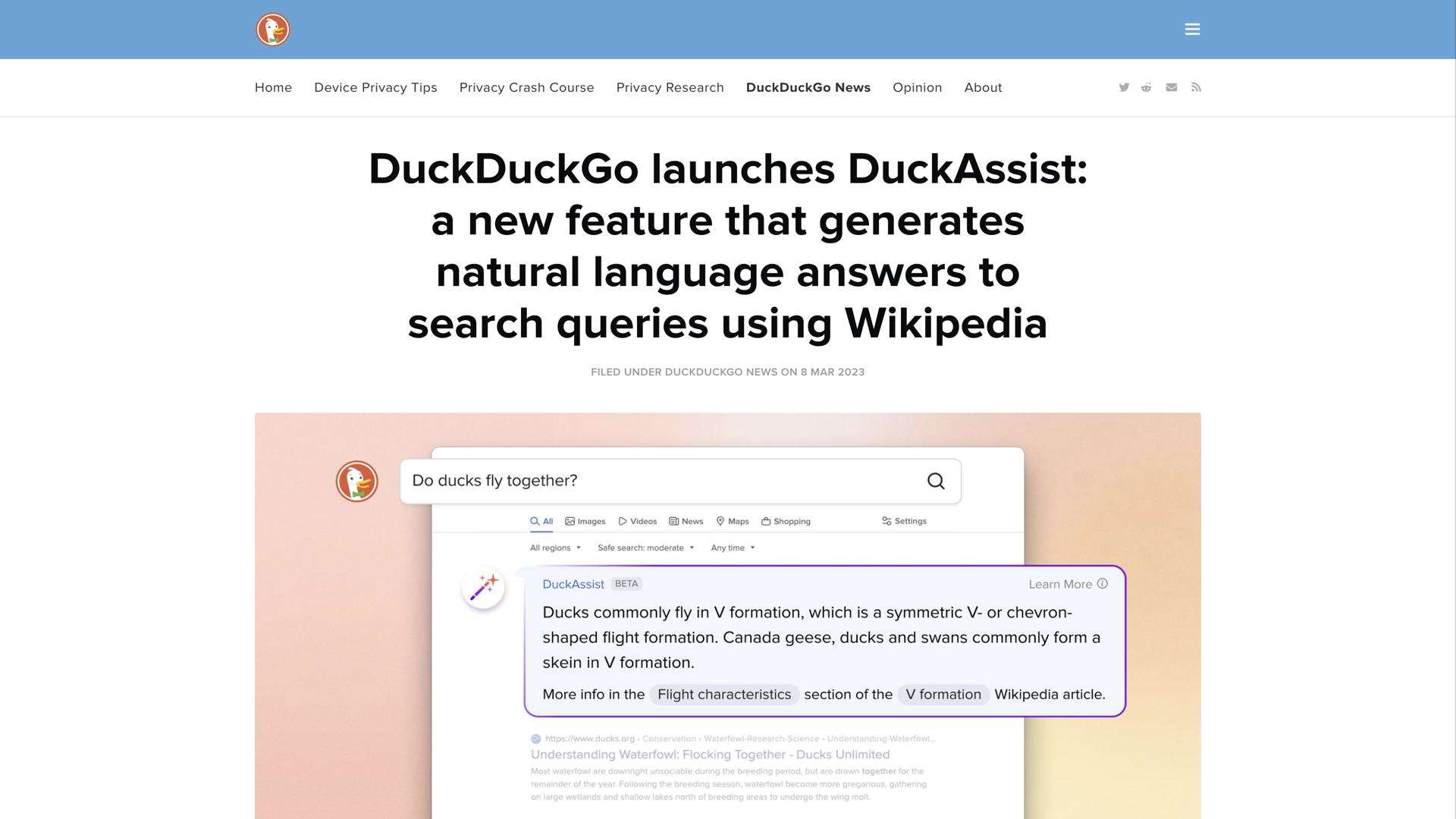
Comprehensive privacy tool for individuals and businesses, protecting data and preventing identity theft.
Practical Tips and Real-World Scenarios
After selecting compliant AI tools, establish a governance board that continuously monitors data flow across the organization. Document every AI model’s training data lineage and ensure that privacy impact assessments are performed before going live.
Deploy sandbox environments where developers can test new models on anonymized data. When a model requires sensitive data, apply differential privacy techniques or run the model in edge computing nodes to keep data local.
Finally, keep an audit trail. Most compliance tools provide exportable logs; use these to generate evidence for regulators or for internal reviews.
Conclusion
Choosing AI tools that respect privacy isn’t a luxury—it’s a strategic necessity. By pairing data‑centric solutions with robust consent management, local processing, and automated compliance checks, you can protect both your users and your business while unlocking the full potential of AI.