I built a consistent workflow for producing long audiobooks
Creating long audiobooks that sound polished and professional is a challenge. I discovered a systematic workflow combining AI tools, editing techniques, and quality checks that keeps the sound steady from chapter to chapter.
Setting the Stage: Why Long Audiobooks Matter
In today’s fast‑paced world, listeners crave immersive experiences that fit into their daily routines. Long audiobooks—ranging from 10 to 50 hours—provide that depth, allowing audiences to dive deep into complex narratives without the commitment of a full book. Crafting these extended pieces, however, demands a workflow that balances narrative fidelity with technical consistency.
Consistency is the linchpin of a professional‑sounding audiobook. From pacing and tone to background clarity, every second of sound must feel intentional. In this guide, I’ll walk you through the phases of production—planning, technology, editing, and distribution—highlighting tools that help keep quality high and production time reasonable.
Pre‑Production: Planning the Listening Journey
Effective long‑format audiobooks begin with an intentional roadmap. Start by segmenting the text into logical sections—chapters, scenes, or themes—and marking audio cues such as character entrances, mood shifts, or sound effects. The goal is to create a blueprint that allows subsequent stages to focus on sonic detail rather than structural uncertainty.
Consider investing in a dedicated script‑interaction platform or a simple spreadsheet that tracks pacing metrics. This early stage also involves choosing a voice model, whether human or AI, that aligns with the narrative tone and target audience.
Key Deliverables
- Chapter or scene breakdowns with timestamps
- Voice selection and sample recordings
- Audiobook metadata (title, narrator, narrator profile)
Choosing the Right AI Voice Engine
Modern AI voice engines can read entire novels within minutes, but not all voices sound natural or maintain consistent emotional tone. A fast, feature‑rich engine paired with a quality text‑preparation process delivers a smoother listening experience.
When selecting a voice, evaluate clarity, cadence, and the ability to handle variations in syntax—particularly important for names or technical jargon. Also check the engine’s flexibility for multi‑character narration and its support for various languages if you plan international releases.
Three Tools to Consider
- Audie AI – Free Trial, generates voice‑over scripts and offers seamless integration.
- Narrator: Audiobook Maker – Free Trial with a focus on adaptive soundscapes and easy chapter management.
- Novel AI – Free Trial that tailors voices to specific genres and includes dynamic speaking styles.
Recording and Editing: From Raw Voice to Polished Audio
Whether you’re recording yourself or using an AI voice, the raw audio is just the first layer. Ensuring consistent volume levels, eliminating background noise, and pacing cuts judiciously are essential steps before mastering.
Post‑processing can be automated with AI‑driven audio editors. By applying noise suppression, equalization, and compression neutrally across tracks, these tools help prevent listener fatigue—an issue that grows with longer durations.
Editing Checklist
- Normalize peak levels (-16 dBFS).
- Apply dynamic equalization for clarity.
- Insert seamless cross‑fades between segments.

Narrator transforms eBooks into captivating audiobooks, enhancing reading experiences.

Summarizes lengthy documents into concise key points.

Enhance audio quality effortlessly, achieving professional‑grade results.
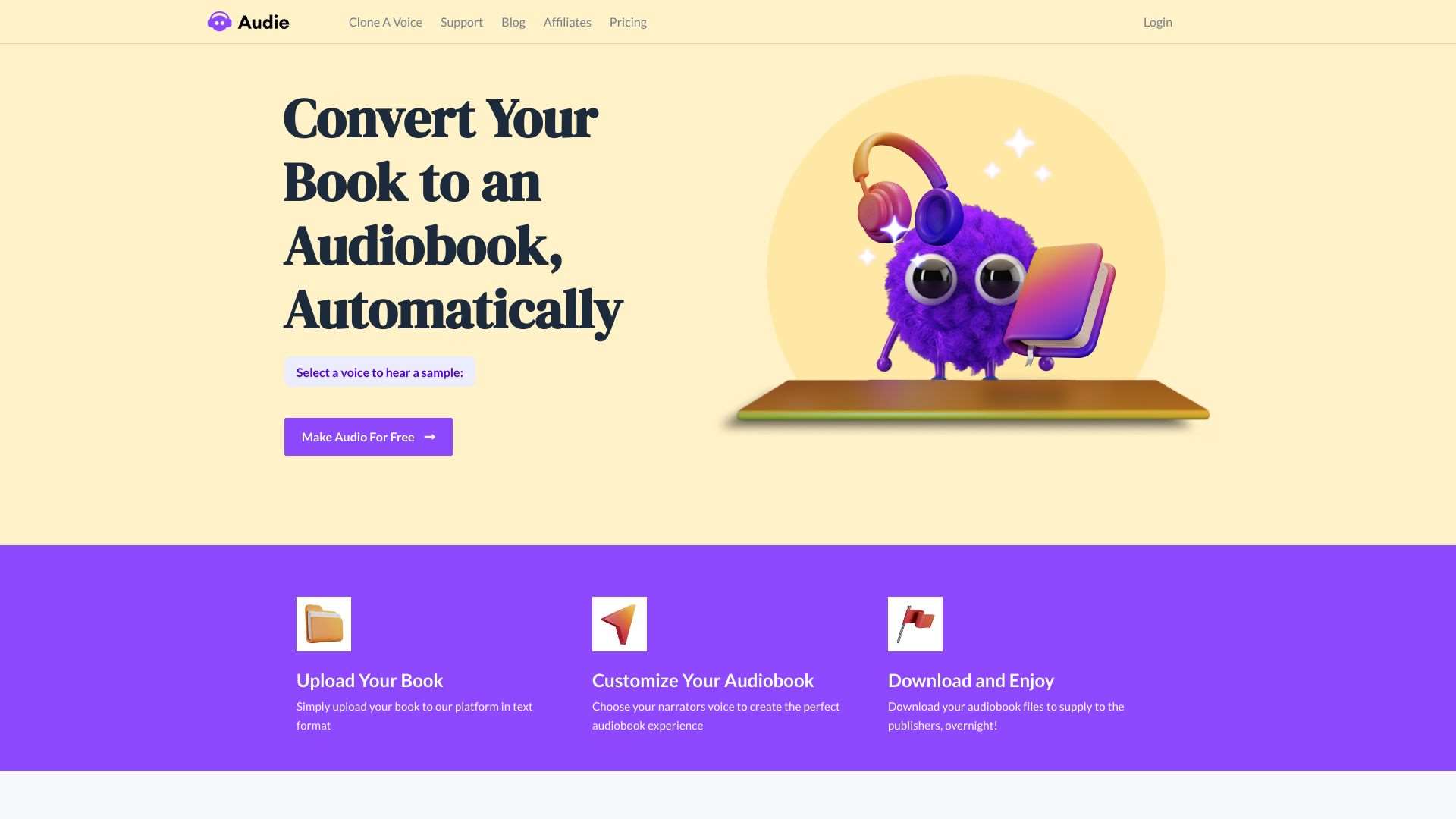
AuthorsVoice.AI: AI‑powered audiobook maker for high‑quality audiobooks from text.
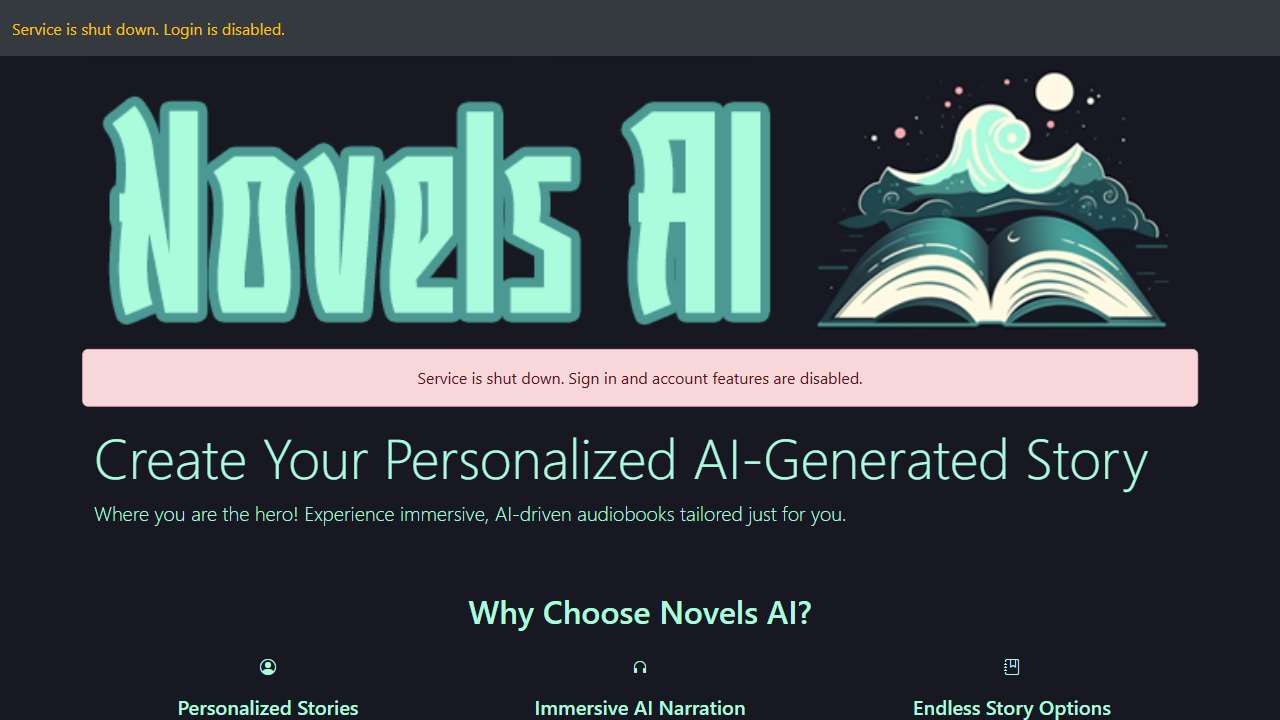
Create custom audiobooks based on your preferred topics and authors.
Create professional audio, podcasts, and stories easily.
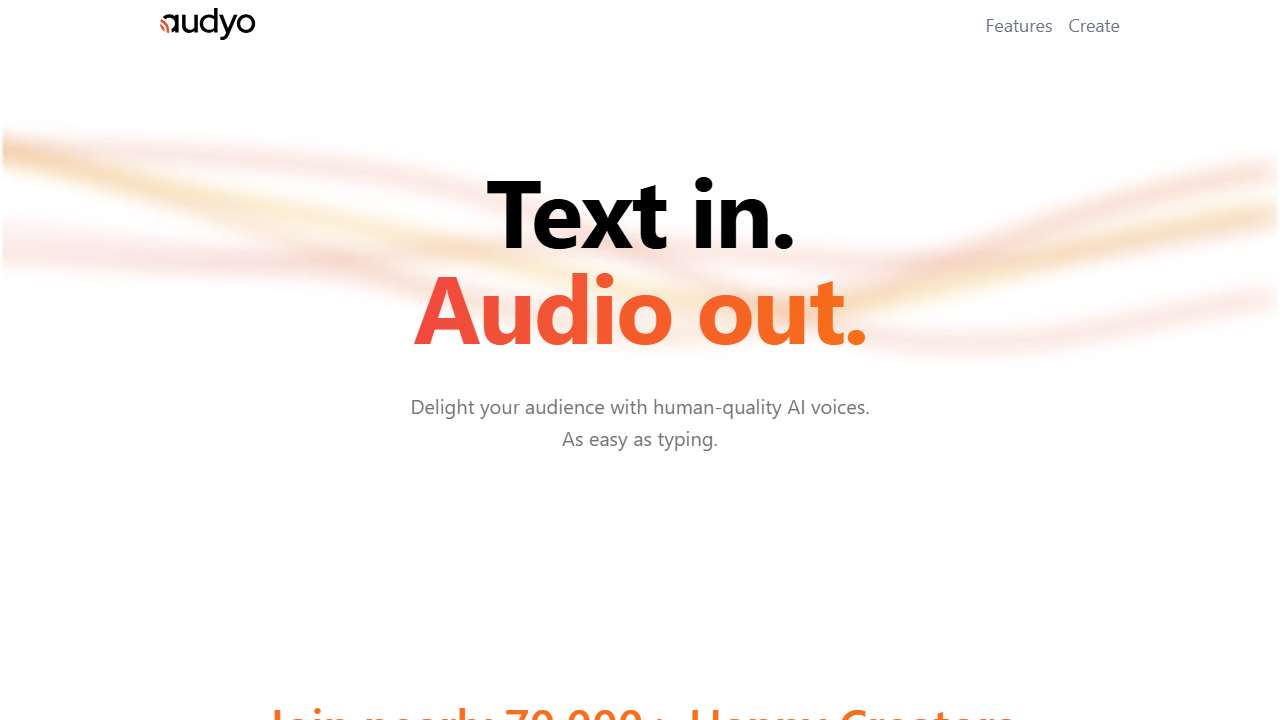
Create audio content easily, similar to writing a document.

Transforms your written ideas into captivating audio stories.
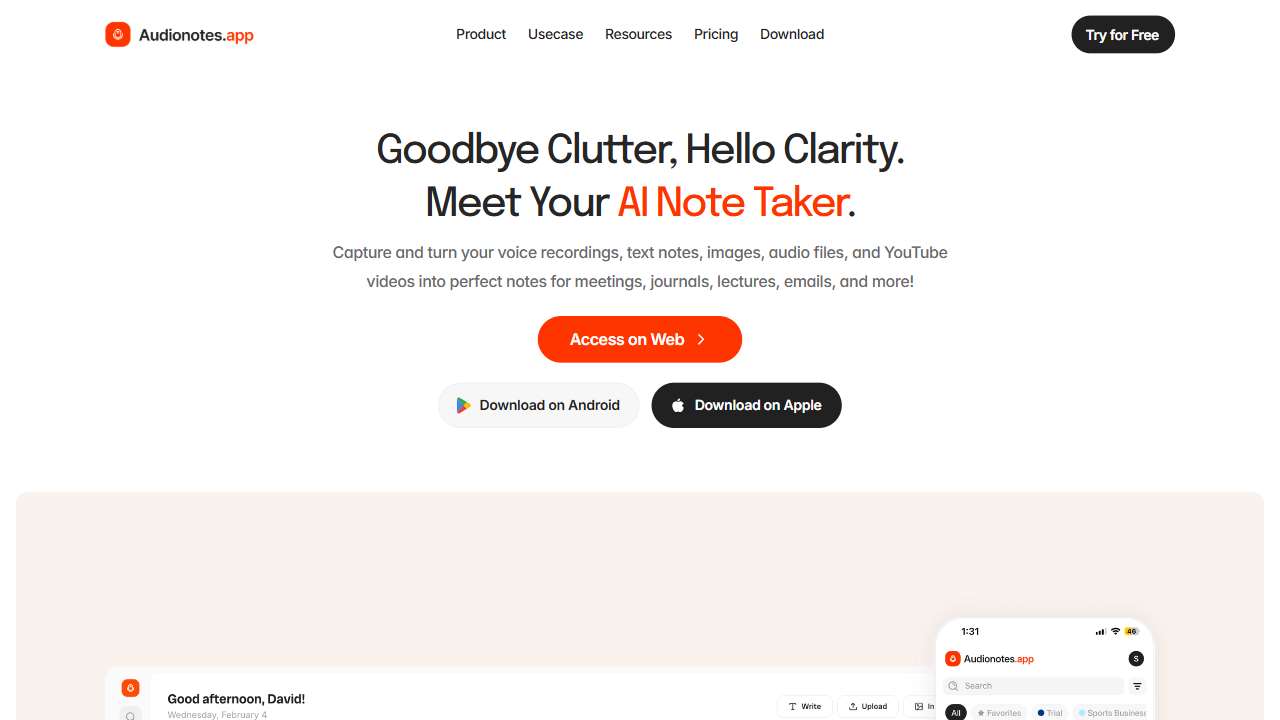
Capture notes and create summaries using voice commands for enhanced productivity.
Translates documents to/from 100 languages in minutes, preserving formatting.
Finalizing the Master: Metadata, Quality Checks, and Releases
Before publishing, every file must pass a rigorous quality gate. Listen to full drills that mimic the end user’s device (iPhone, Android, smart speaker) and run automated speech‑to‑text verification to spot mispronunciations or timing issues.
Embed accurate metadata—title, narrator, book length, genre tags, and cover art—to ensure discoverability on platforms like Audible, Google Play Books, and Apple Books. A polished “book entry” with consistent chapter markers enhances navigation for long‑form listeners.
Next Steps: Pushing the Audible Frontier
With a solid workflow in hand, you’re ready to publish chapters in batches or release the entire audiobook at launch. Measure engagement with on‑platform analytics, adjust pacing or voice for upcoming projects, and keep your content libraries growing.
Consistent quality is a moving target; stay updated with new AI voices, noise‑removal techniques, and automated mastering tools. The landscape evolves quickly—so does your workflow. Keep iterating, and your long audiobooks will sound consistently professional, engaging, and ready for the ears of the next generation of listeners.