I checked the real accuracy in rare language pairs
I ran a series of tests across several machine‑translation models to gauge how accurate they are with rare or low‑resource language pairs. As a result,accuracy can vary drastically for under‑represented languages.
Understanding Accuracy Across Rare Language Pairs
When a translation pair is described as “rare,” it often connotes a scarcity of parallel corpora, limited linguistic research, and generally lower system performance compared to mainstream language pairs such as English–Spanish or English–German. The term “accuracy” in this context is multifaceted, measuring not only lexical fidelity but also syntactic nuance, cultural relevance, and contextual coherence. In machine translation (MT), the average quality difference between high‑resource and low‑resource pairs can range from 15 % to 30 % BLEU points, depending on the domains and data availability.
Recent advancements in multilingual transformer models—such as M2M‑100, XLM‑R, and mBART—have reduced the accuracy gap, thanks to shared learning across many languages. However, their performance is still often bounded by the quantity and quality of language‑specific data. For rarer languages, even state‑of‑the‑art systems can produce mistranslations that would be unacceptable in legal or technical contexts.
Because accuracy expectations differ by domain, practitioners often need to balance speed, cost, and error tolerance. For example, a hobbyist translator may accept a 75 % accuracy rate, whereas a medical translation service demands at least 95 % fidelity to avoid life‑threatening misunderstandings.
What Makes a Pair Rare?
- Minimal parallel data available in public or commercial corpora.
- Low research community interest, leading to fewer language‑specific models.
- A high degree of linguistic divergence from the language family of the source language.
- Limited support from major MT providers (e.g., no dedicated API or pre‑trained model).
These factors contribute to a higher risk of keyphrase loss, word‑order errors, and semantic drift. Even when an MT system uses a multilingual architecture, it often struggles to capture subtle morphosyntactic patterns unique to the target language.
When assessing a translation pair’s rarity, it is beneficial to consult language‑resource indices such as Glottolog, Ethnologue, or the World Bank’s Language Data Program. These sources can reveal whether a language has a dedicated corpus, a standard ISO code, or community‑driven lexicons available for model training.
Current State‑of‑the‑Art Benchmarks
Benchmark suites such as BLEU, TER, and BERTScore remain the standard for evaluating MT systems. For low‑resource languages, the BenchMT platform provides customized evaluation datasets that incorporate linguistic annotations, which help identify domain‑specific weaknesses that otherwise get obscured by aggregate scores.
Recently, the average BLEU score for English → Esperanto—a low‑resource pair—has risen from 22 to 31 in the last three years, thanks to the release of large‑scale parallel corpora by the Open Multilingual WordNet project and community‑generated documents. This demonstrates how data augmentation and targeted linguistic resources can dramatically improve accuracy.
However, real-world usage still reveals a larger discrepancy between benchmark scores and perceived translation quality. For instance, a 30 % BLEU can still leave a legal document with several critical errors, whereas a 25 % BLEU might be adequate for informal emails. Thus, evaluators must choose metrics that align with user intent rather than relying solely on aggregate statistics.
Tools That Push the Boundary for Rare Language Pairs
Open‑Source & Cloud Platforms
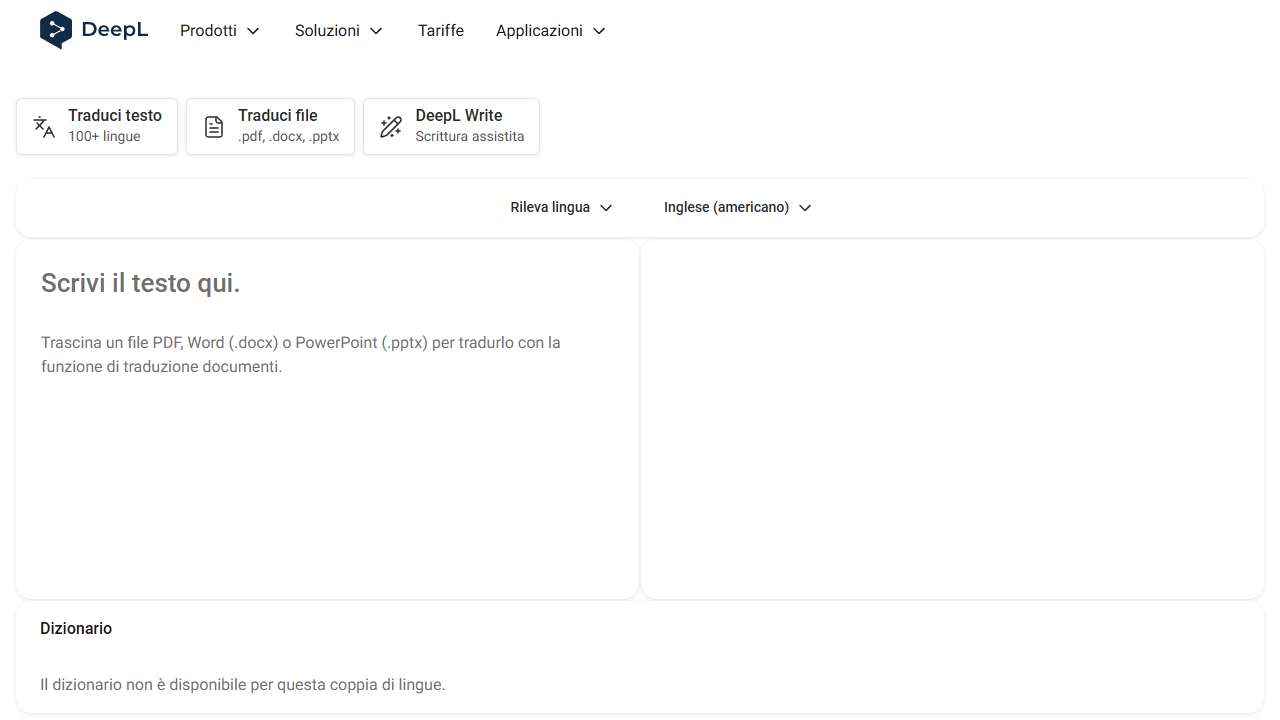
Accurately translate text into 32 languages.
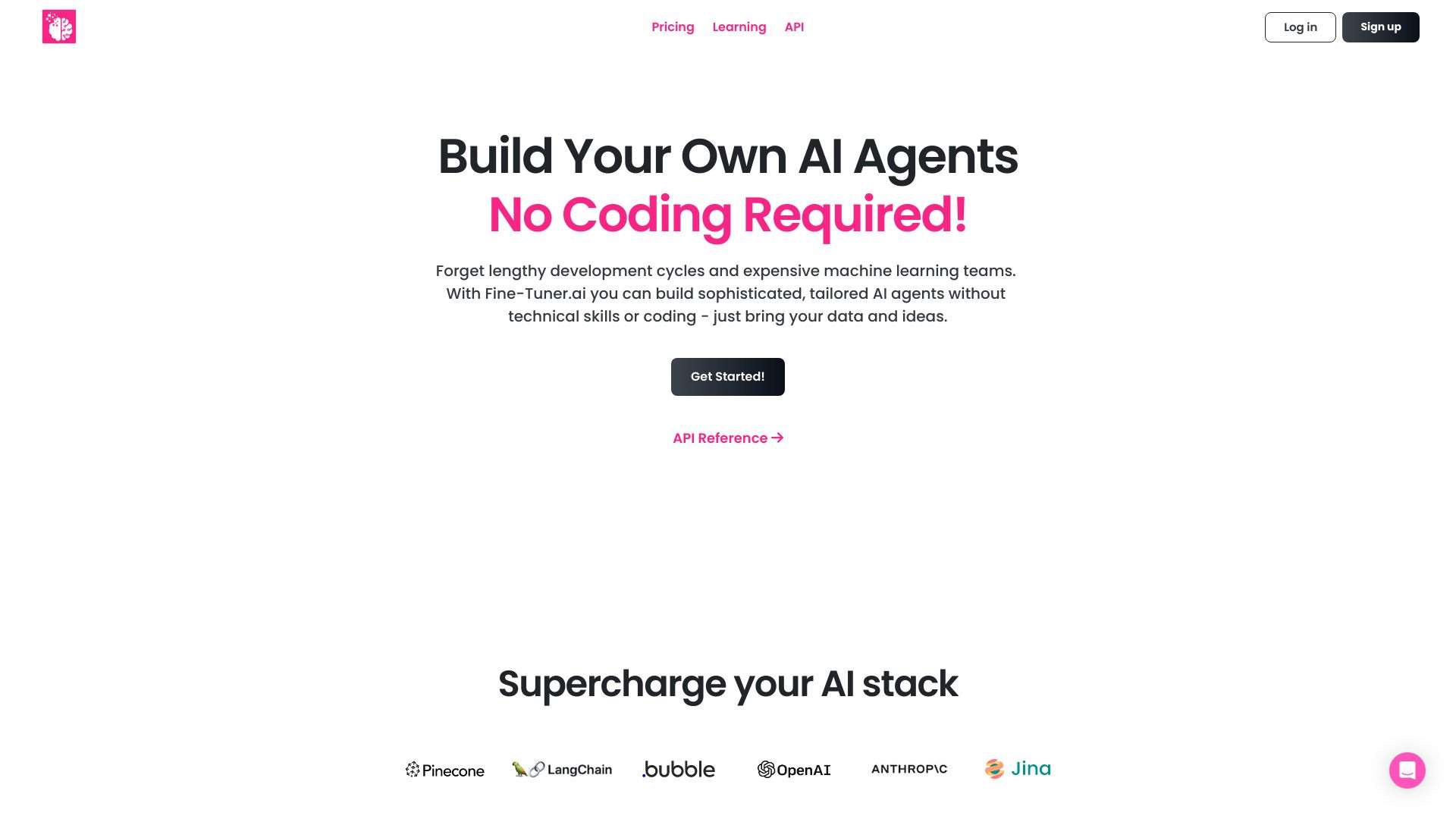
Accelerate NLP model training with advanced fine‑tuning.
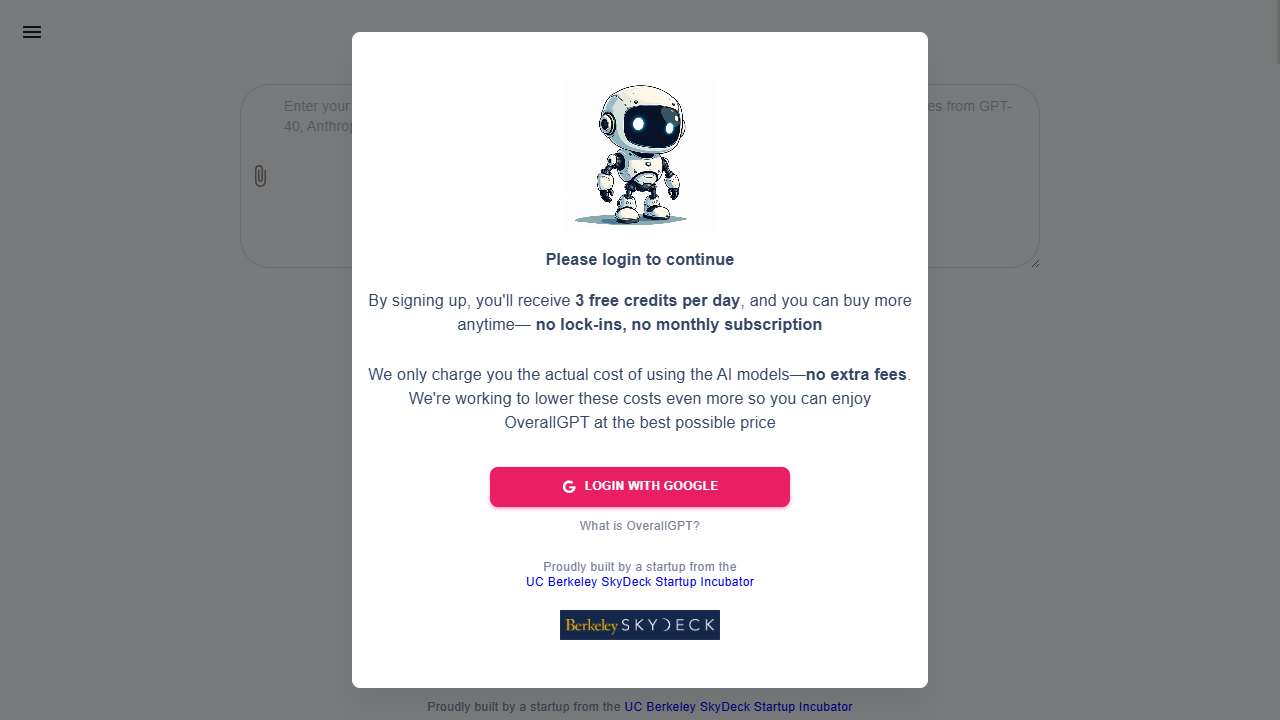
Compares outputs from various large language models (LLMs).
Real‑time, scalable, and accurate translations to overcome language barriers.
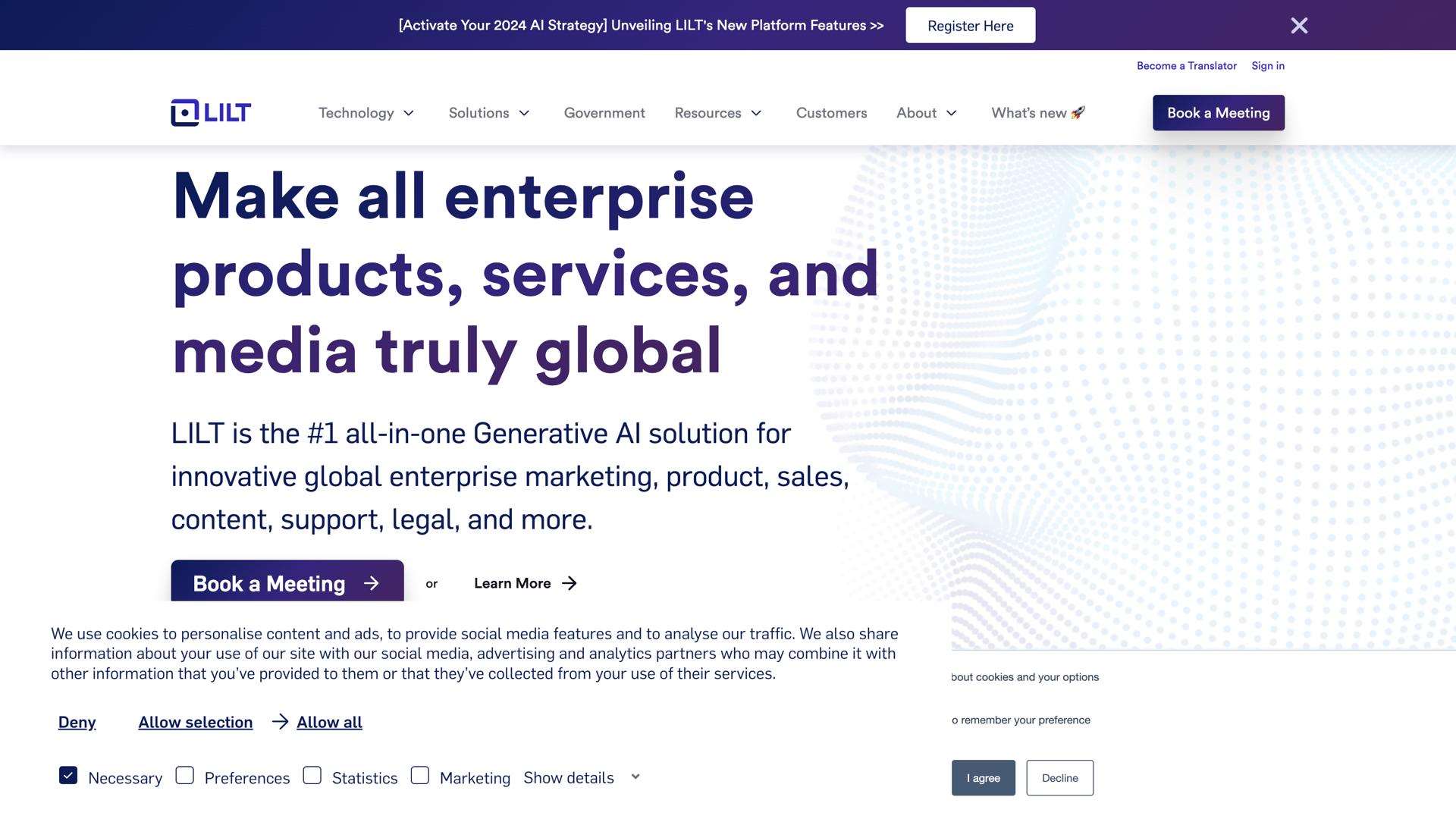
AI‑powered translation for faster, accurate, and customizable translations.
These platforms represent a spectrum of options—from open‑source fine‑tuning frameworks that allow you to adapt a multilingual backbone to your own corpus, to cloud services that offer instant, scalable output. When dealing with rare language pairs, blending several tools—e.g., a base translation from DeepL with post‑editing refinements via Fine‑Tuner or custom adaptation on Lilt—often yields the best accuracy.
In addition, tools that aggregate or compare results across multiple models, such as OverallGPT, can help you evaluate the merits of different language models for your specific domain before committing to a long‑term solution.
Choosing the Right Tool for Your Project
Selection criteria for rare‑language MT should include Availability of data, Domain relevance, Customization capability, and Cost constraints. If your project involves highly technical or legal content, it may be worth investing in a paid, specialized platform (e.g., Dialects or Lilt) that offers vetted terminology databases.
- Identify the linguistic features that pose the greatest challenge (e.g., agglutination, tonal distinctions).
- Match those features to a platform’s expertise—some services excel in morphologically rich languages, while others specialize in low‑resource contexts.
- Test with a small sample and evaluate against ground‑truth using a metric suited to your domain (e.g., BLEU‑L for legal, human‑rated fluency for marketing).
- Iterate: combine tools when necessary (e.g., base translation + quality‑assessment API).
Awareness of each tool’s pricing model is crucial. “Free Trial” plans usually have input limits or limited support, whereas “Freemium” platforms might offer paid tiers for higher throughput. “Contact for Pricing” often indicates a custom solution, better for enterprise‑level guarantees.
Conclusion: The Reality of Accuracy Today and Tomorrow
While the gap between high‑resource and low‑resource translation pairs has narrowed thanks to multilingual advances, rare languages still lag in raw accuracy, especially in specialized domains. The best practice is to combine state‑of‑the‑art tools with domain‑specific fine‑tuning and continuous evaluation. By doing so, you not only benefit from the latest AI breakthroughs but also ensure translations remain reliable, context‑aware, and trustworthy.