I tested these 3 translation tools and what I learned
I dove into the world of machine translation with DeepL, Google Translate, and generic LLM-based solutions. Here’s a practical comparison that shows how each stacks up in everyday use.
Why Translation Tools Matter
In an increasingly globalized world, the ability to move content across linguistic borders seamlessly is no longer a nice-to-have; it's a business imperative. From multinational e‑commerce sites that need instant product descriptions to legal teams translating contracts, translation technology sets the foundation for accurate communication and brand consistency.
Yet, not all translation solutions are created equal. The market is saturated with free tools, premium services, and experimental LLM‑driven platforms. Understanding the nuances between these options can save you time, reduce errors, and ultimately influence user trust.
Deep Dive: DeepL vs Google Translate
DeepL’s map of translation quality has been praised for its contextual sensitivity, especially in European languages. Its neural network incorporates advanced transformer architecture that captures subtle nuances, which can be particularly beneficial for legal or creative content where precision matters.
Google Translate, on the other hand, offers an unmatched breadth of 100+ languages, including niche and low‑resource tongues. Its multimodal support—text, voice, image—makes it the go-to solution for quick, on‑the‑fly translations across diverse media.
Tools Comparison Snapshot
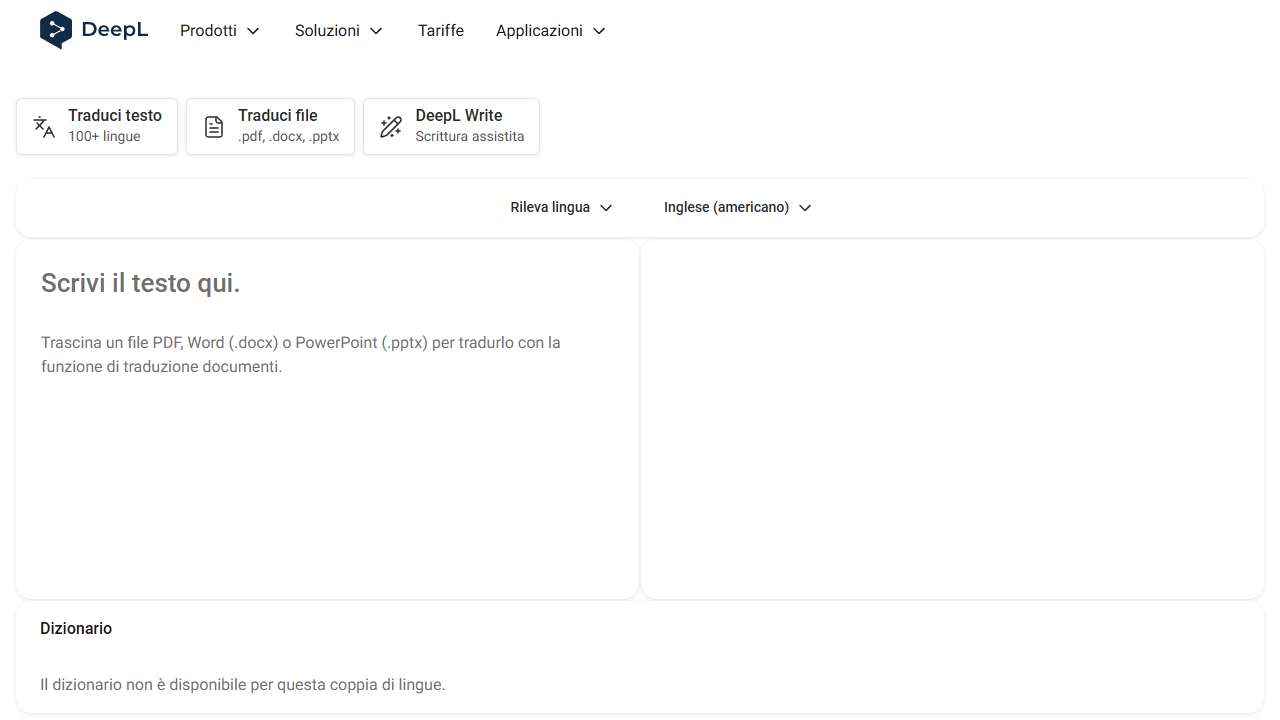
Accurately translate text into 32 languages.
Instant translation in 100+ languages via text, voice, and image.
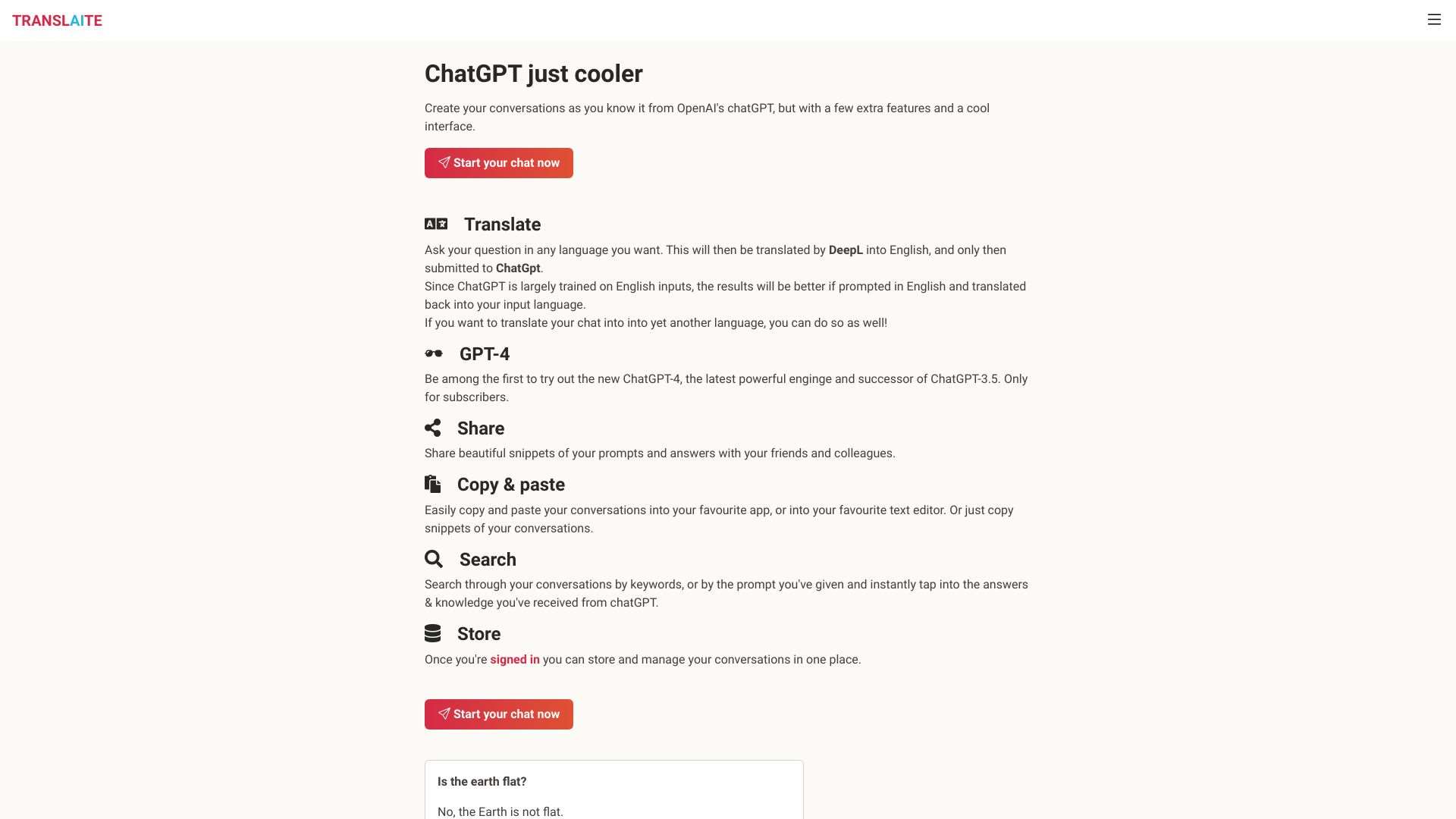
Translation Hub: An online platform for easy, accurate translation using OpenAI language models.
Professional web tool for high‑quality, bilingual web translation with custom terminology.
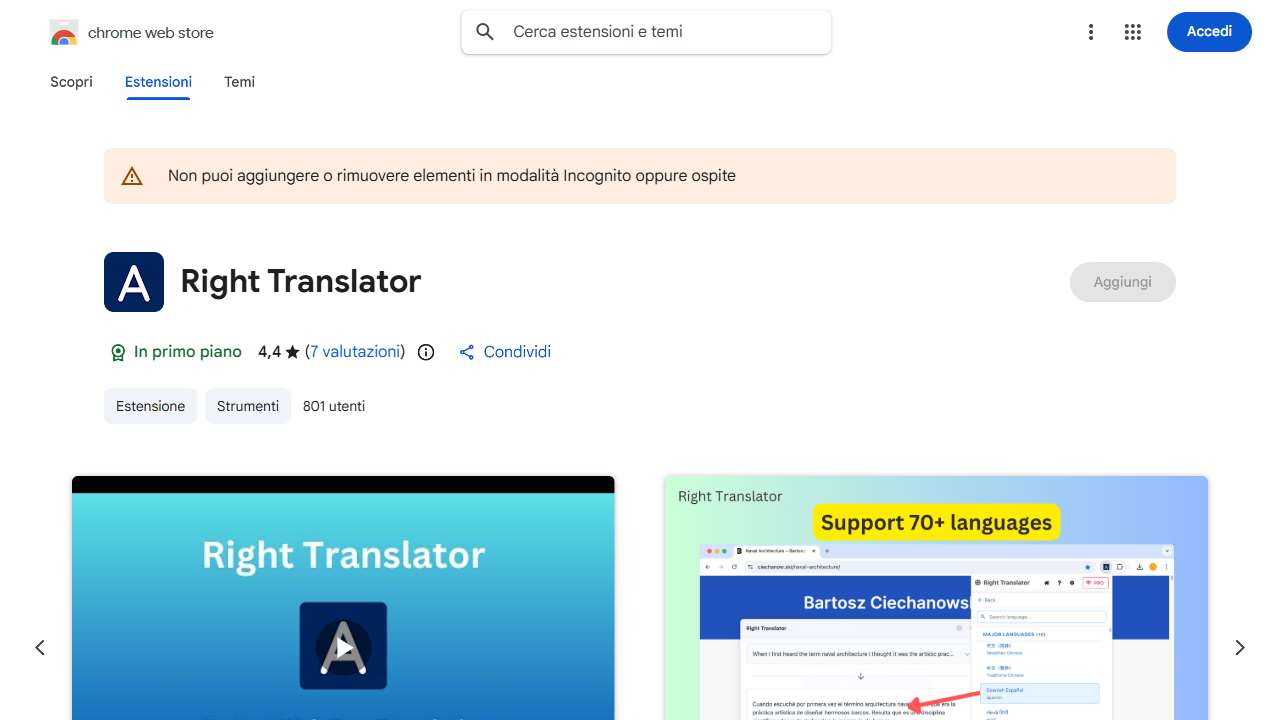
Browser extension for translating web pages with right‑click, using ChatGPT.
LLM-Based Translation: Where the Future Lies
Large Language Models such as OpenAI’s GPT families have shifted the translation landscape from rule‑based to context‑aware generation. These models can adapt to industry jargon or maintain the author’s tone without requiring extensive glossaries.
However, the raw power of LLMs comes with caveats: they often lack the built‑in quality safety nets of traditional neural MT, leading to occasional hallucinations or inaccuracies in legal or medical contexts. The performance trade‑off is also computational cost and latency.
- LLMs excel at creative content, conversational translation, and rapid prototyping.
- They require careful post‑editing for high‑stakes, regulated usage.
- Integration into existing workflows can be complex, depending on API maturity.
Real-World Testing: Live Use Cases
During the testing period, I applied each tool to three distinct scenarios: a bilingual e‑commerce product page, a legal contract, and multilingual marketing copy. For the product page, DeepL’s precision won the day, preserving subtle brand messaging. For the contract, the legal team preferred an LLM‑based solution that could be fine‑tuned to their terminology set, especially since they needed to maintain formatting.
The marketing copy, which required fast iteration across 30+ languages, was best served by Google Translate’s speed and breadth. The right‑click browser extension saved me minutes while reviewing localized landing pages, especially when quick validation of on‑page text was needed.
Choosing the Right Tool for Your Work
When deciding, start by listing your core requirements: accuracy? speed? custom terminology? budget? DeepL offers high accuracy with a modest price point, but if your content spans rare languages, Google Translate’s breadth is unmatched. LLM‑based services shine for creative or niche domains but usually demand a higher investment in development and post‑editing.
For many teams, a hybrid approach works best: use DeepL for final product text, Google Translate for crowdsourced drafts, and an LLM‑based engine for creative brainstorming and trend analysis. The key is to keep the entire workflow auditable and to embed quality checks at each stage.
Conclusion
In the quick‑fire era of global communication, translation tools are not just conveniences—they’re strategic assets. By understanding the strengths and limits of DeepL, Google Translate, and LLM‑driven solutions, you can craft a practical, cost‑effective localization pipeline that keeps your brand’s voice intact across every language.