I created a convincing voice clone with just minutes of audio using these 10 AI tools
I’ve always wondered if a few minutes of my speech could be enough to create a believable voice clone. After testing ten leading AI tools, I discovered that it’s not only possible but surprisingly easy.
Why Quick Voice Clones Matter in 2026
In a world where digital content is king, the ability to recreate a voice with high fidelity has become a critical advantage for creators, advertisers, and developers alike. Whether you’re scripting an AI‑powered podcast, narrating an interactive video game, or providing a deep‑fake interview for a documentary, a convincing voice clone can reduce production time and cost while delivering a natural listener experience.
The technology has moved from a niche academic pursuit to a mainstream offering. Cloud‑based AI models now process raw audio, learn phonetic patterns, and generate speaking styles in seconds. This shift means that even professionals with only a few minutes of source material can generate months’ worth of content with their own voice, opening new revenue streams and creative possibilities.
Beyond convenience, these voice clones are blurring the line between human and machine. The industry now wagers on authenticity: the more lifelike the clone, the better it can engage audiences, convey emotions, and maintain brand integrity. As a result, mastering voice cloning is no longer optional; it’s a competitive necessity.
What You Need to Start—Audio, Legal, and Tech
While the AI tools have dramatically lowered the technical barrier, a successful voice clone still hinges on a handful of prerequisites. First, gather clear, high‑quality recordings of your target voice. Keep the audio free of background noise, echo, or significant background music, as even a few unwanted sounds can confuse the learning algorithm. Ideally, collect between 2–5 minutes of varied speech, covering different emotions, tones, and speeds.
Second, consider the legal framework. The right to reproduce someone’s voice is tied to personality rights and, in many jurisdictions, consent laws. Even if you’re cloning your own voice, you must be mindful of the context in which you’ll use the clone, especially for public consumption or commercial distribution. A brief review of local legislation can save you future headaches.
Third, set up a reliable workspace. A small, well‑instrumented project folder, a cloud account with the chosen AI tool, and a plan for version control will keep your workflow smooth. You’ll also want to define export formats (MP3, WAV) and quality settings early on to avoid late‑stage re‑processing.
Step‑by‑Step Workflow—from Recording to Publishing
1. Capture your audio
Use a decent microphone—USB or XLR—with a pop filter. Record in a quiet space, speaking slowly and clearly. If you’re unsure about your delivery, start with a simple script that covers everyday phrases, jokes, or inspirational quotes to influence the affective tone of the clone.
2. Upload to your chosen AI platform
Most services accept WAV or MP3 files up to a specified size. Once uploaded, the model runs a quick analysis and asks for any additional clarifications. Some tools, like Clonemyvoice.io, let you tweak voice parameters (pitch, speed, emphasis) on the fly to fine‑tune the result.
3. Generate and review the sample
After a few minutes, a preview will be ready. Play the sample over headphones and critically evaluate realism, speech patterns, and emotional nuance. Most tools offer an irreversible confirm step—make sure the clip meets your expectations before proceeding to full‑scale synthesis.
4. Export and integrate
Export the final audio in your preferred bit‑rate and format. Then integrate the clip into your project—whether it’s a marketing video, a VR narrative, or a personal vlog. Adjust the audio mix to align with background sound, music, and other dialogues for a seamless listening journey.
The Top AI Tools to Create a Convincing Clone in Minutes
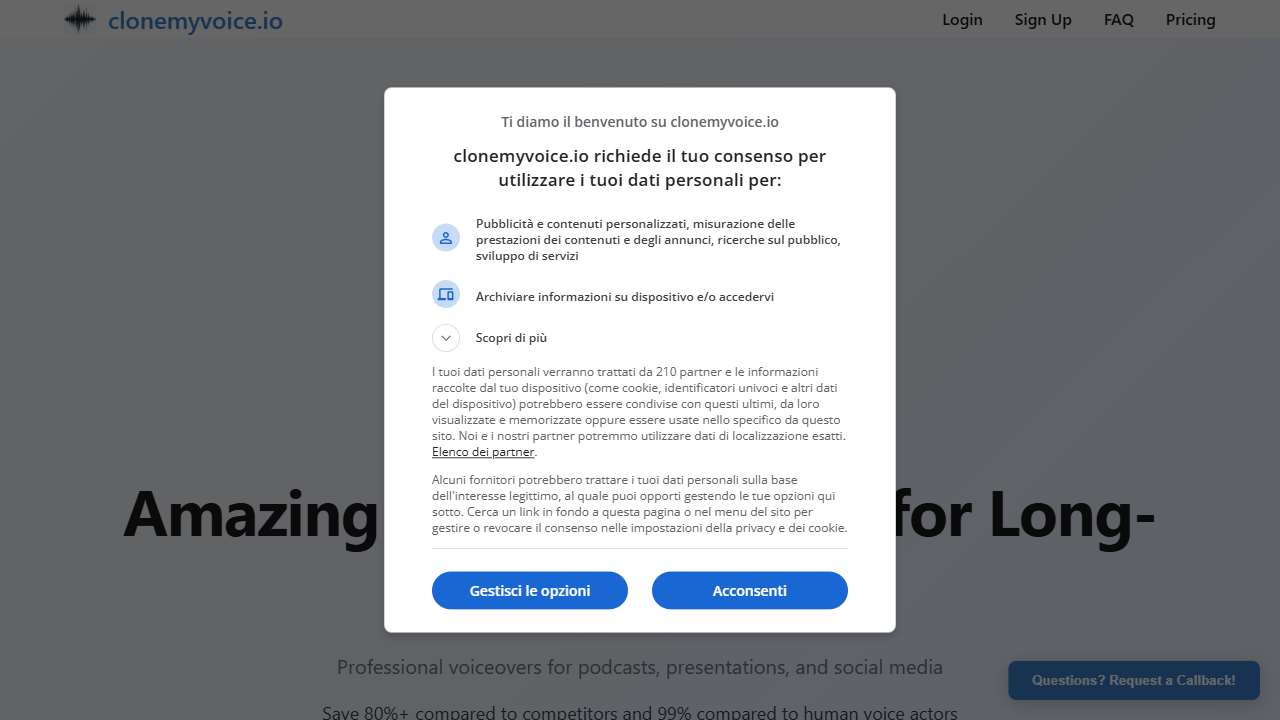
Instantly clone your voice for realistic voice imitation and surprise loved ones.

CloneMyVoice.io uses AI to create realistic voice clones with high clarity and accuracy.
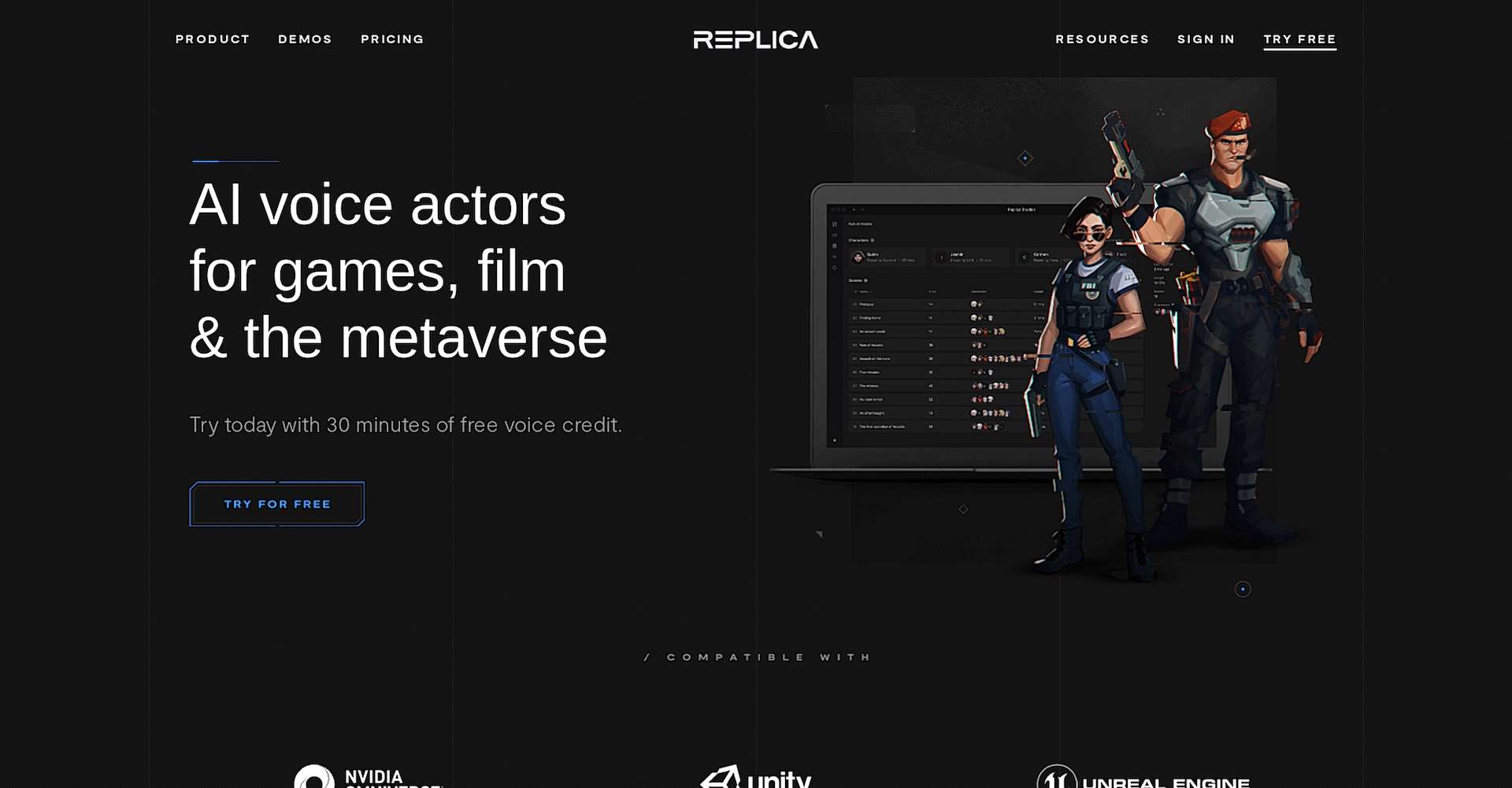
Create expressive AI voices for your projects with Replica Voice.

Quickly clone your voice for singing or speaking with text-to-speech and text-to-song features.
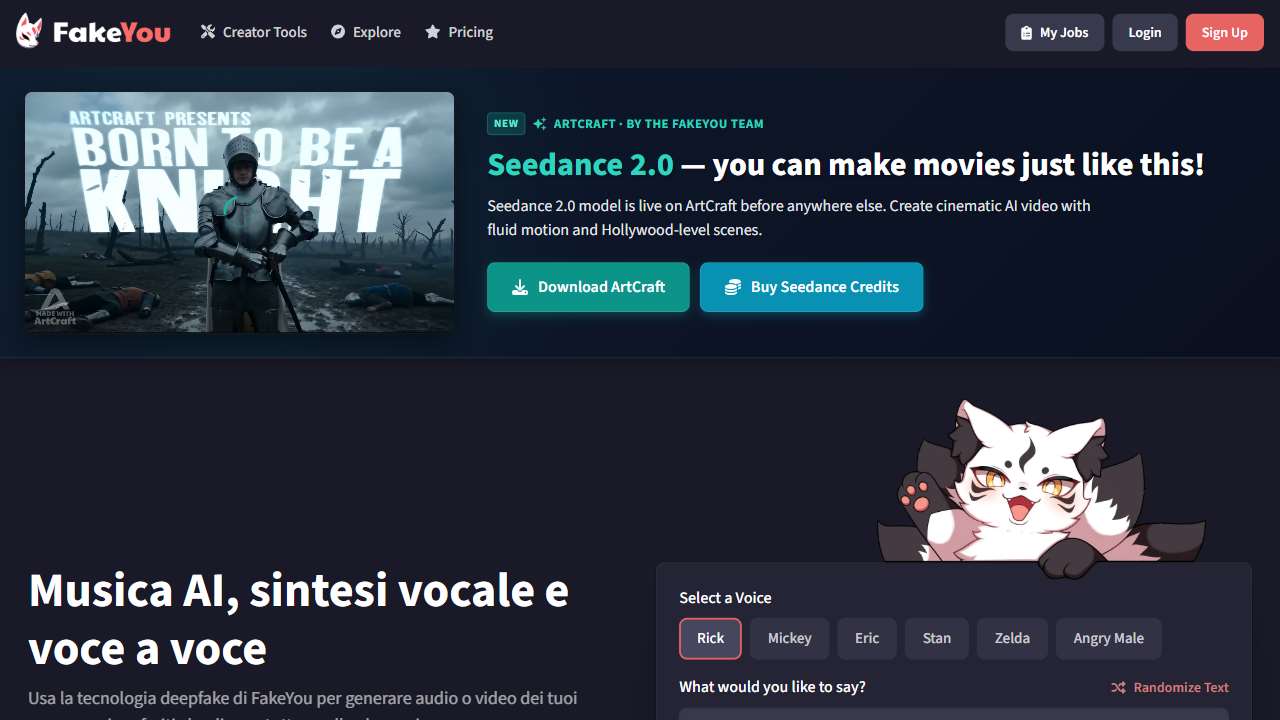
Create a custom voice clone for various applications, including music, videos, and streaming.
Use AI to change your voice, create new voices, or clone existing ones.
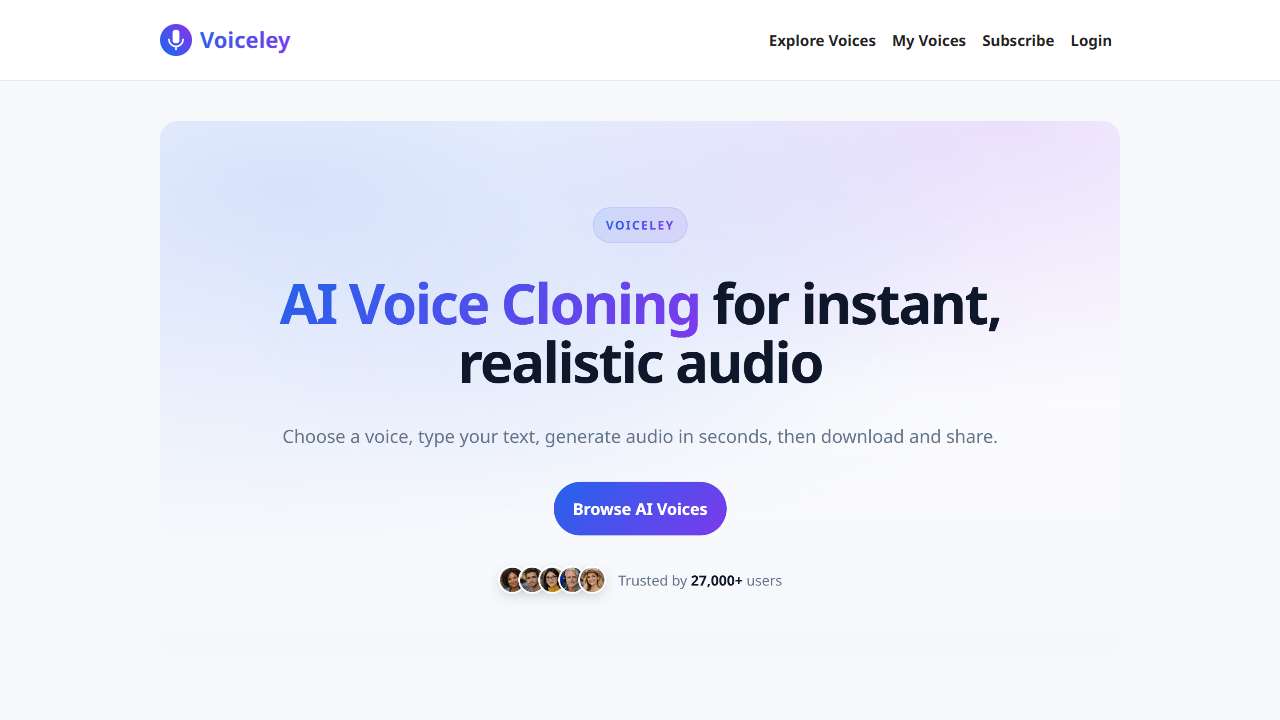
Create realistic audio from text with AI voice cloning, download your generated audio.
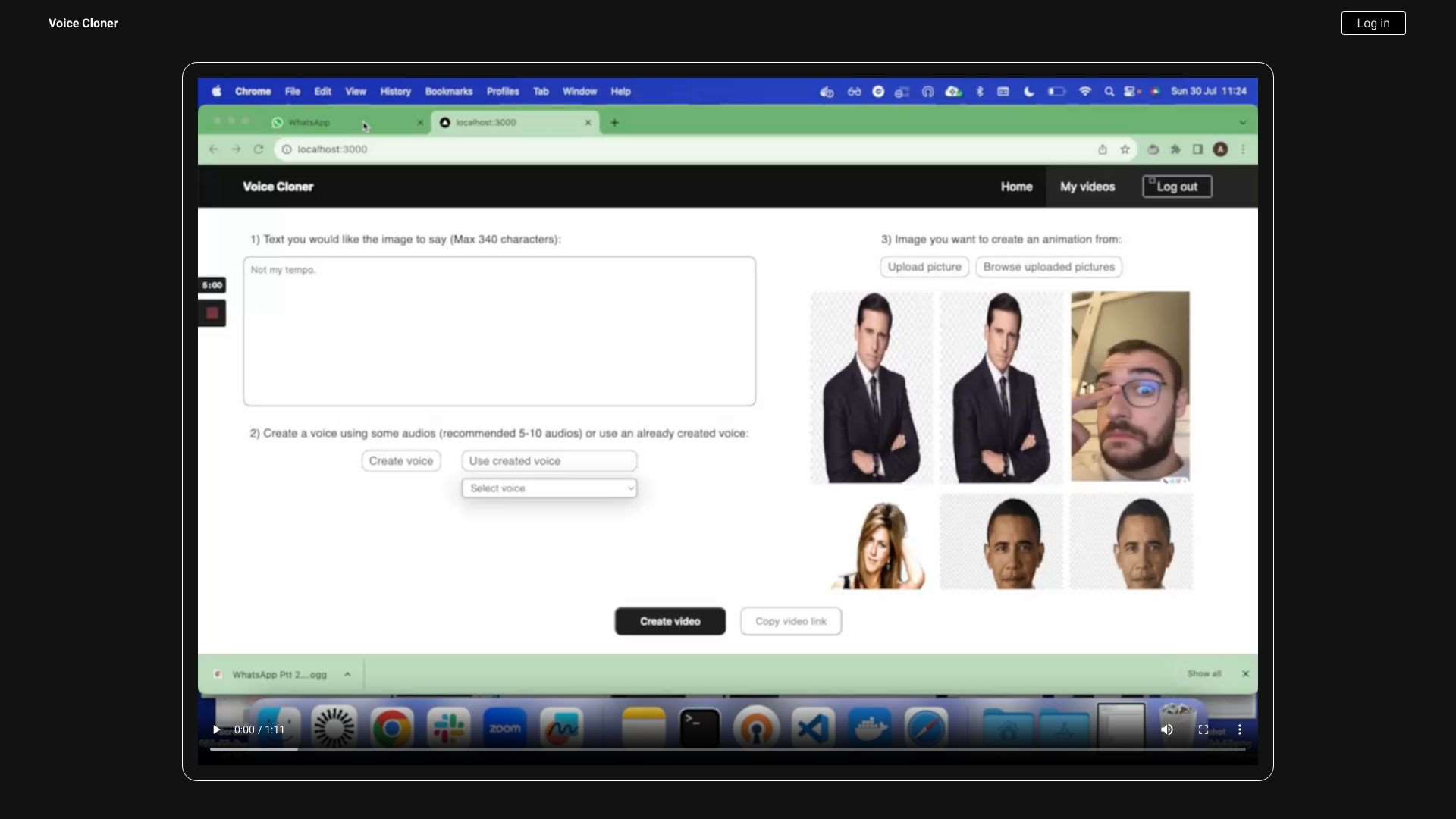
VoiceLip is an online tool that allows you to make audios and pictures of your friends synchronize, making them say whatever you want.
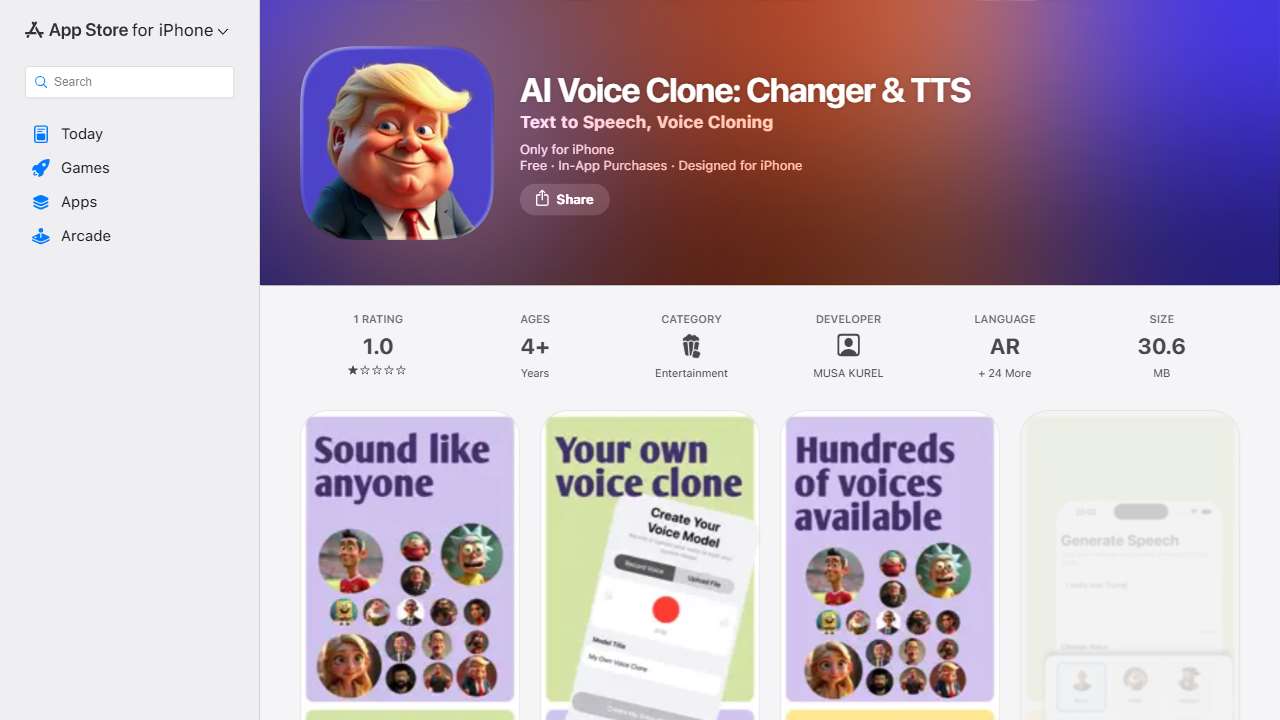
Create content with custom or celebrity voices using AI voice cloning technology.

Clone voices for content creation, generating unique audio for various applications.
Ethical Considerations and Self‑Protection
Voice cloning can be a double‑edged sword. While creators gain flexibility, misuses, such as deep‑fake scams or unauthorized impersonation, threaten trust. Always label AI‑generated audio when visible to audiences, and consider watermarking your clones to inform listeners of their origins.
From a self‑protection standpoint, keep your training segments private and never share them with third parties unless a signed NDA exists. In many jurisdictions, distributing a cloned voice without explicit permission may breach personal right statutes, leading to legal action.
Finally, stay informed of evolving regulations. In the United States, California and New York have begun exploring AI‑voice laws; communities like the Electronic Frontier Foundation lead discussions on responsible use.
Conclusion
Creating a convincing voice clone within minutes is now more accessible than ever thanks to a growing ecosystem of AI tools. By collecting high‑quality audio, navigating legalities, following a structured workflow, and choosing the right platform, you can produce authentic, expressive voice content that fits your creative vision or business need. As technology evolves, the key will not just be cloning but mastering ethical usage and protecting the uniqueness that voice brings to human communication.