I found 10 AI tools to maintain clone quality
Voice cloning is powerful, but maintaining authenticity for unseen emotions is a challenge. I tested ten AI tools that keep your clones expressive, even when the training audio didn't cover those feelings.
When training a voice clone, capturing the nuances of emotional tone that were absent in the reference audio is a common challenge. Fortunately, a handful of AI tools have advanced enough to extrapolate those missing tones through context‑aware synthesis and adaptive learning, allowing creators to produce fluid, authentic speech without needing extra recordings.

This service delivers rapid, high‑fidelity voice duplication powered by cutting‑edge neural networks that track intonation and pacing. The model actively learns prosody from a small audio sample, ensuring that even subtle emotional shifts echo the original speaker. Fast and precise conversion.
It is perfect for content creators who need quick voiceovers and final polish. Clone Anyone's voice in seconds with AI

CloneDub preserves the original speaker’s timbre while translating audio into new languages, a key feature for cross‑lingual projects. By leveraging bilingual voice models, it maintains emotional texture even when the target language alters prosodic patterns. Seamless cross‑language voice cloning.
Ideal for podcasters who reach global audiences. CloneDub
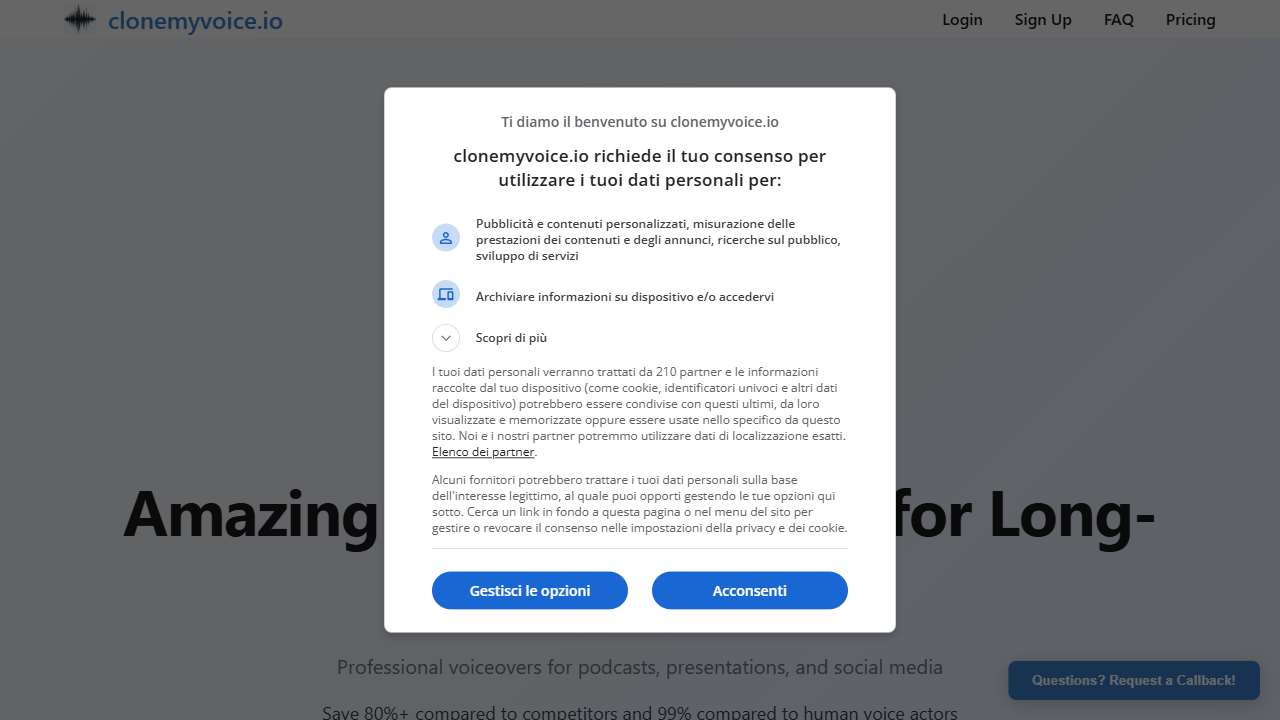
Clonemyvoice.io offers instant, realistic voice imitation using synthetic speech engines that adapt to speaker variations. The platform’s layered audio processing allows granular control over inflection, helping to re‑create emotional states absent in the training set. Instant, realistic cloning.
The tool is especially useful for event presenters needing surprise voice reenactments. Clonemyvoice.io

Respeecher specializes in craft‑level voice duplication, offering a suite of filters that mimic vocal dynamics and emotional cadence. Its proprietary “Emotion Mapping” feature models affective nuances from adjacent speech samples, enriching silence‑rich recordings with warmth. Professional audio quality.
Designed for filmmakers and game developers who need immersive character voices. Respeecher
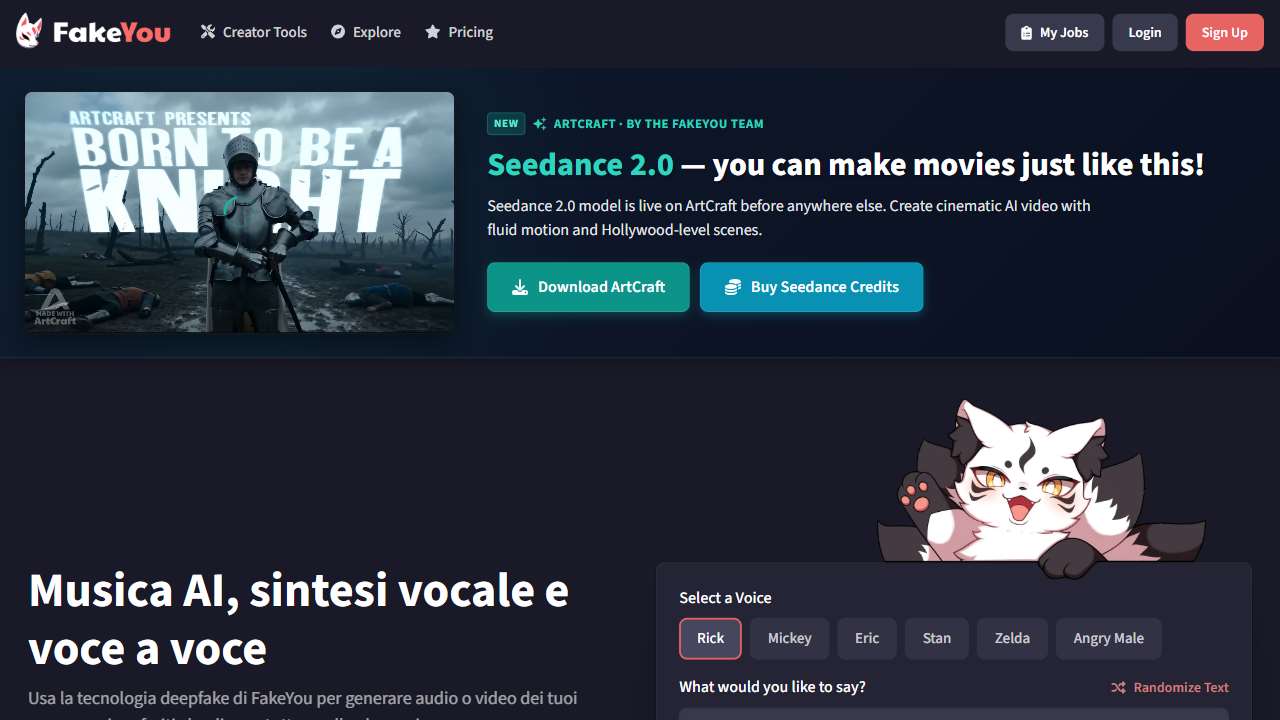
FakeYou provides a community‑driven library of voice models, some created specifically for capturing expressive, comedic, or dramatic emotions. The platform’s real‑time synthesis allows instant feedback on how well omitted tones are restored. Community‑based emotional range.
Useful for streamers and content creators experimenting with new voice personas. FakeYou
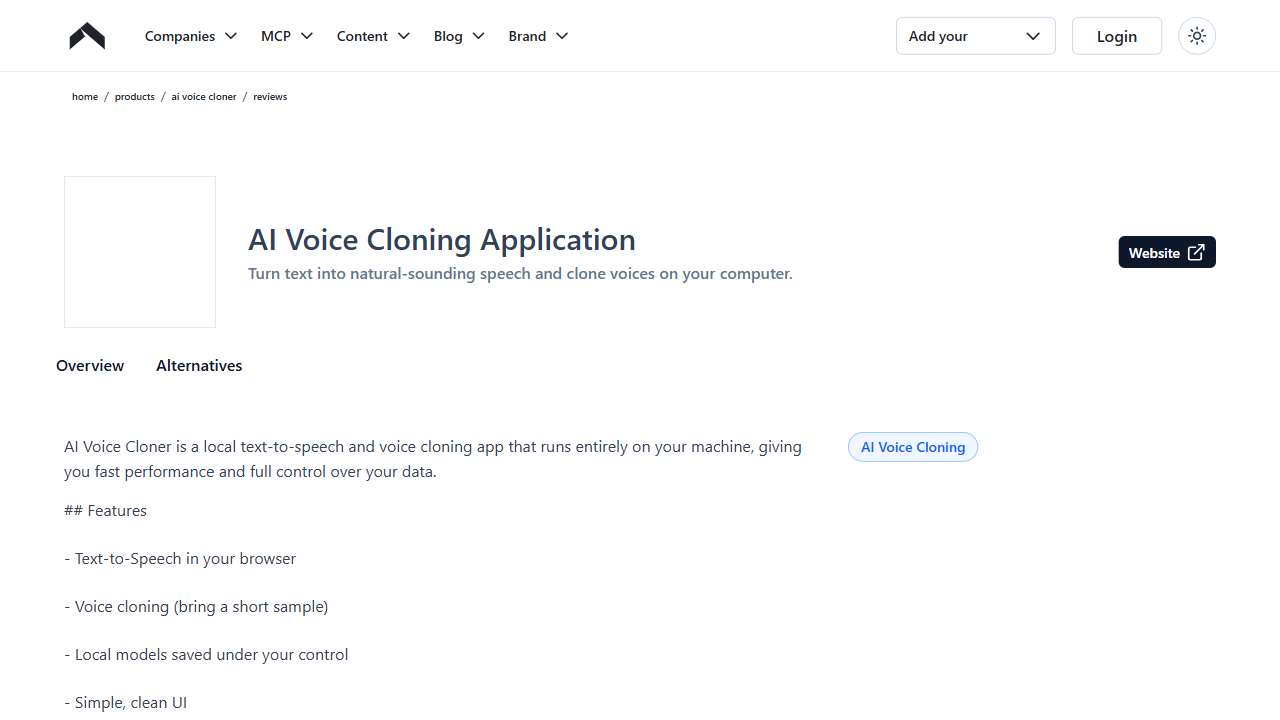
The BARK app generates realistic speech across multiple languages while preserving the speaker’s voiced emotions through its multi‑layered neural architecture. It natively supports lullaby‑soft or aggressive tones, making it versatile for artistic projects. Multilingual emotional fidelity.
Great for indie game developers needing adaptable NPC voices. BARK Voice Cloning App
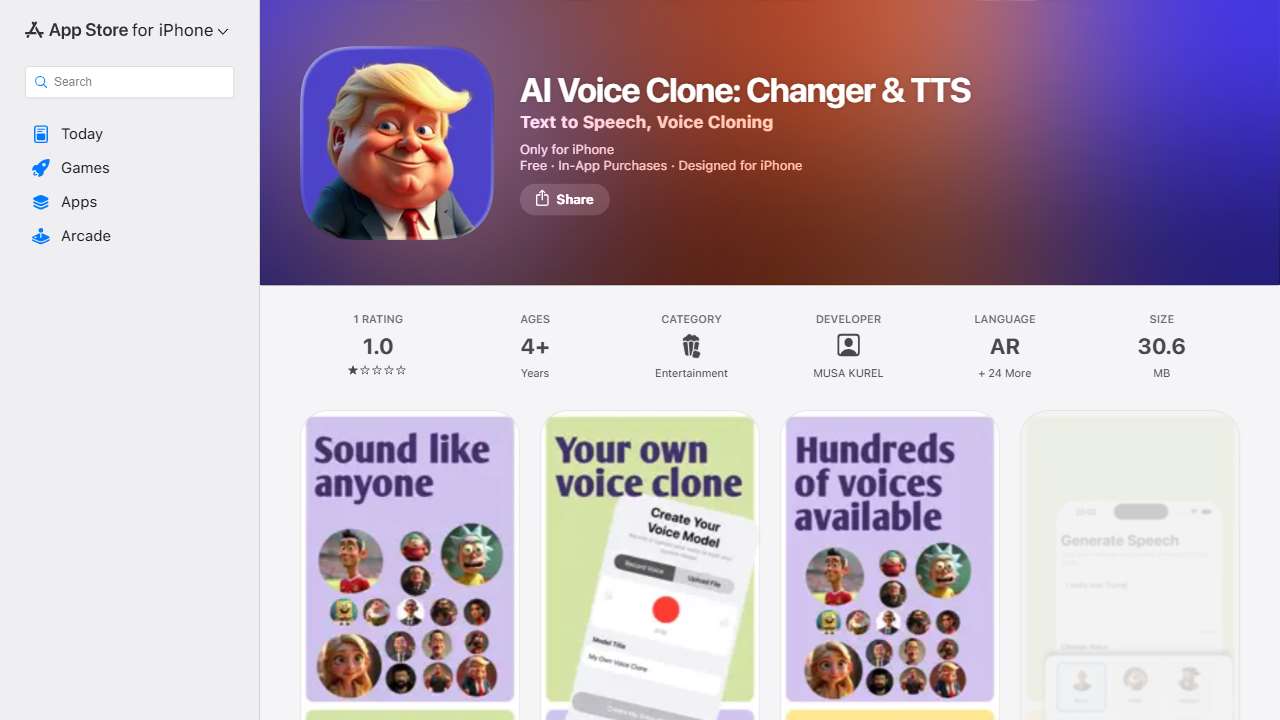
CloneGen AI offers real‑time voice transformation powered by a proprietary generator that fine‑tunes affective cues. Its “Emote Controller” lets users map specific vocal tones (e.g., sarcasm, excitement) to preserve context when original data lacks them. Dynamic emote mapping.
Beneficial for virtual assistants that require a human‑like presence. CloneGen AI
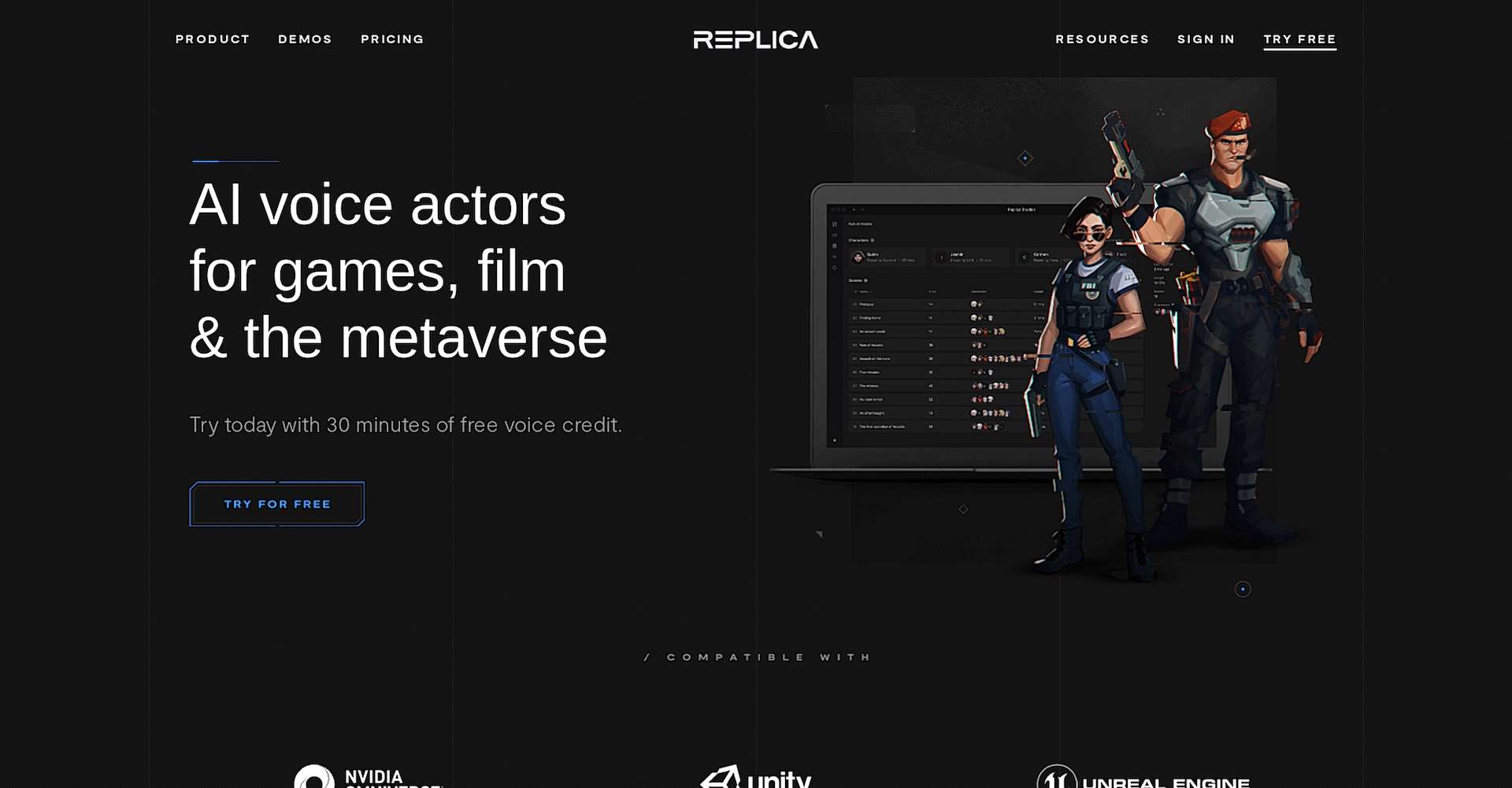
Replica focuses on creating expressive AI voices that can articulate nuanced emotions, thanks to its large‑scale language model training. The platform’s advanced voice‑style blending algorithm effectively enriches silences with inferred affective color. Expressive voice synthesis.
Ideal for storytellers and VR experiences seeking immersive audio. Replica
MyVocal AI excels at generating realistic singing and spoken audio by closely modeling the vocalist’s breathing and emotional inflections. Its “Mood Sync” feature scans the lyrics to add feelings that were missing in the source track. Realistic singing emulation.
Best suited for music producers wanting to remix with voice variations. MyVocal AI
Voiceley leverages AI voice cloning coupled with speech synthesis to produce audio files directly from text, while intelligently filling in emotional gaps using its internal affective model. The result is a natural‑sounding voice that can read emotionally resonant lines even when the training data is sparse. Text‑to‑speech emotional adaptation.
Useful for marketers and advertisers looking for authentic voice narratives. Voiceley
Exploring a range of AI voice tools gives you the flexibility to address any emotional gap in your training data. By selecting the right combination—from rapid cloning services to emotion‑aware synthesis— you can achieve polished, lifelike voice experiences that resonate with every listener.