I reviewed these 10 AI voice cloning providers for commercial usage clarity
When I evaluated these providers, policy transparency was my top priority. The results show which companies make it easy to understand their commercial terms.
Understanding Commercial Voice Cloning and Why Policy Transparency Matters
Commercial voice cloning has surged in recent years, allowing brands to craft personalized audio experiences without hiring voice actors or purchasing expensive recording sessions. From marketing videos to AI assistants, the technology promises reduced costs and rapid iteration. However, the legal and ethical implications of clinging voice data—especially when it comes to licensing, rights, and consent—can be complicated.
Aside from pricing, a provider’s policy clarity—how well they explain usage rights for commercial content—is critical. Ambiguous or overly restrictive terms can leave a company exposed to litigation or forced withdrawal of content. This article examines ten prominent AI voice cloning services, breaking down which ones offer the most transparent and commercially friendly licensing frameworks.
What to Look for in a Clear Commercial Usage Policy
A clear policy covers several key dimensions: the scope of commercial usage, ownership of the generated audio, required attributions, and any limitations on distribution. Providers that articulate these points succinctly usually include a dedicated “Commercial Use” section or a FAQ that addresses common questions.
Below is a checklist to evaluate each provider: 1) Explicit grant for commercial deployment. 2) Attribution requirements and how they apply. 3) Recourse for request‑to‑remove offers. 4) Transparency about third‑party content and model usage. 5) Easy-to‑understand contract language or a plain‑English summary.
- Industry‑accepted licensing language (e.g., “Royalty‑free” or “Per‑use license”).
- Clear definition of “commercial use” (marketing, product features, reselling).
- Clarity on role of the original audio data owner.
- Provision for retroactive removal or revocation.
- Explicit clarification on usage of clones beyond the initial scope.
Top Providers with Transparent Commercial Policies
The 10 Tools Reviewed
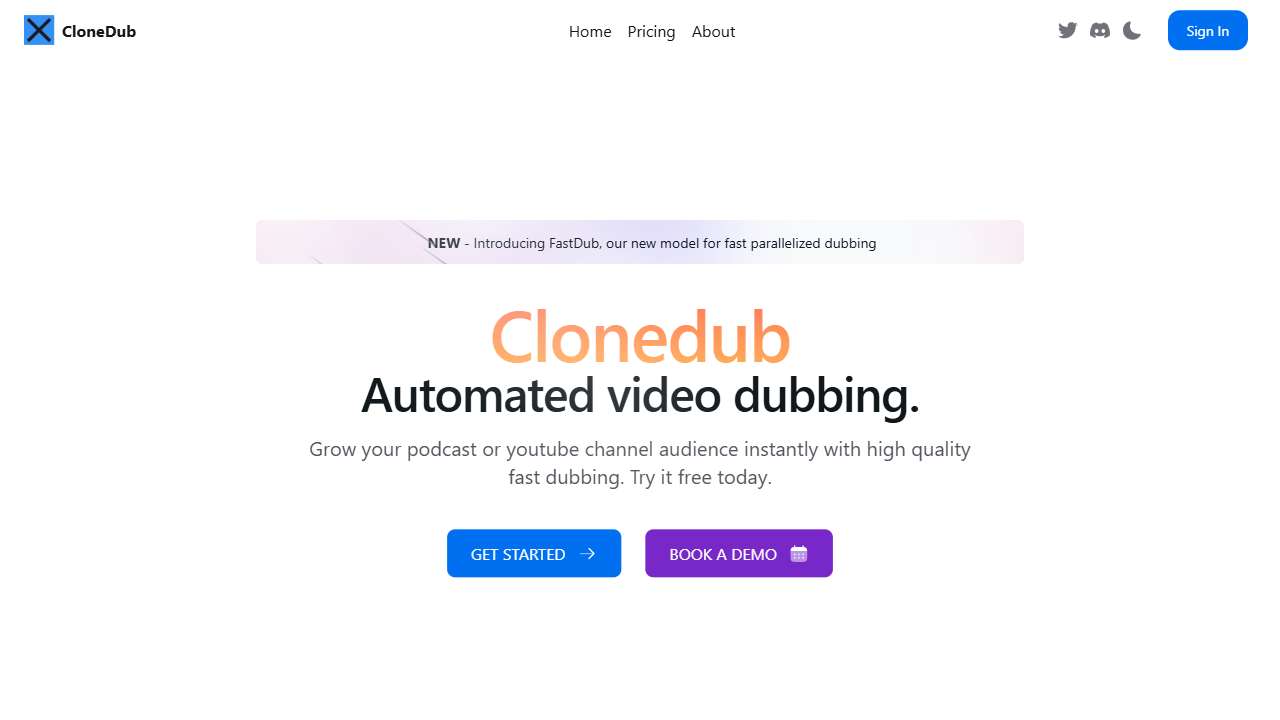
Converts audio to other languages while preserving the original voice.
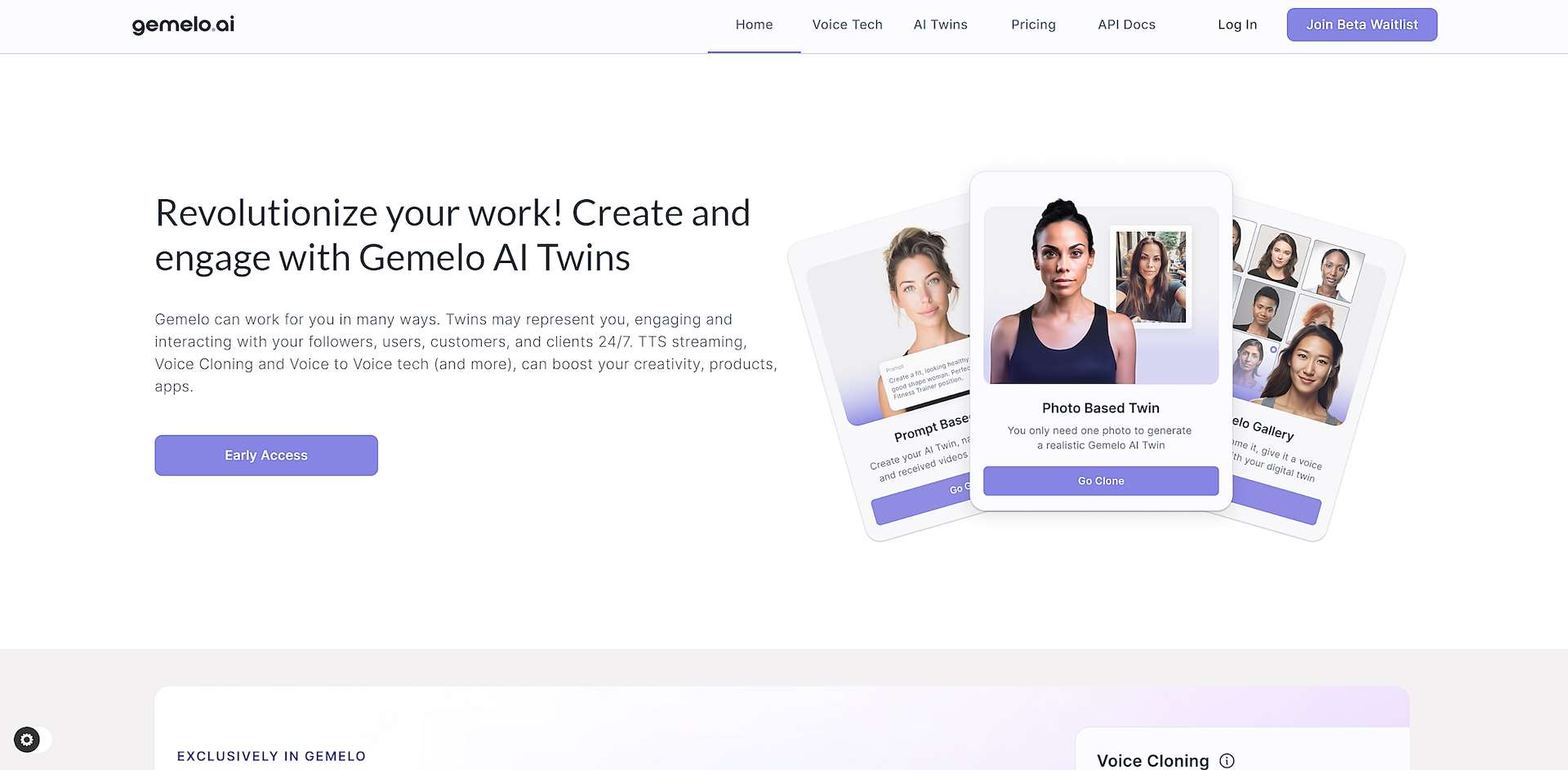
Advanced voice tech, including TTS streaming and granular voice cloning.
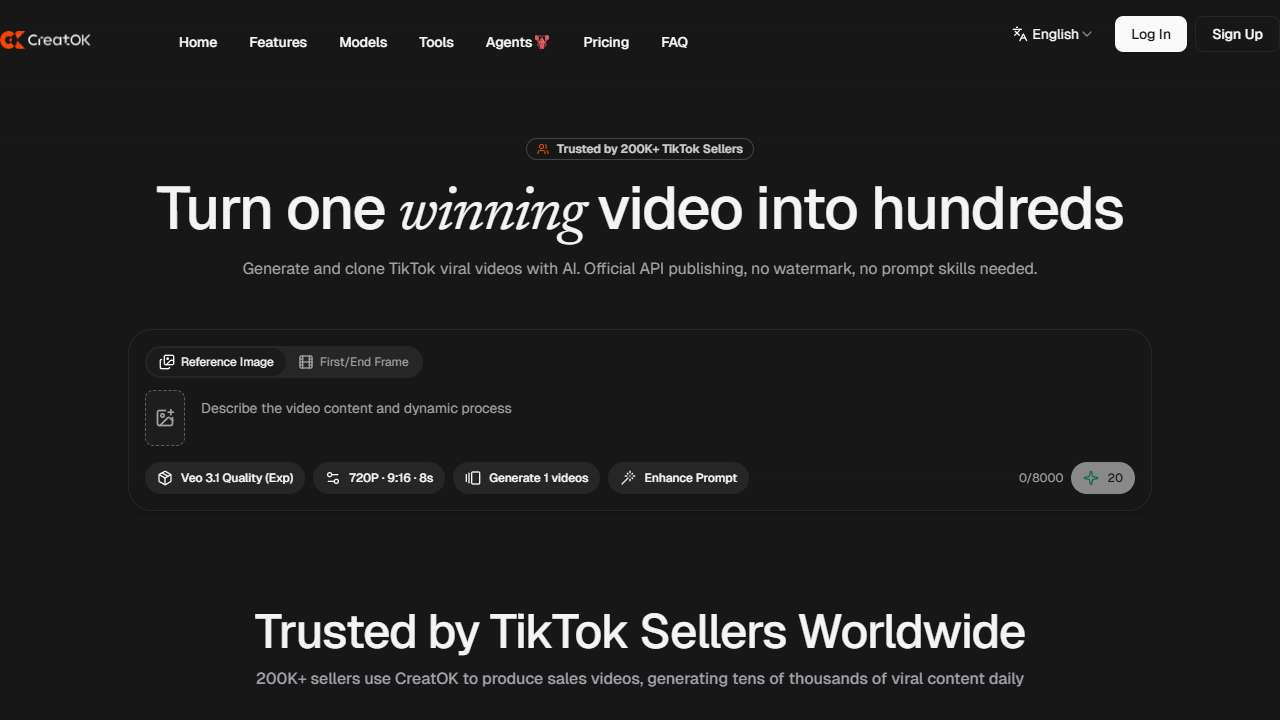
Create original, AI‑generated sales videos and clone viral trends easily.
Realistic multilingual speech and audio via AI voice cloning.

Clone voices for content creation, including unique audio for marketing and media.

Create realistic voice clones with high clarity and accuracy, supporting multiple languages.
Encrypts documents and redacts sensitive data for safer LLM interactions.
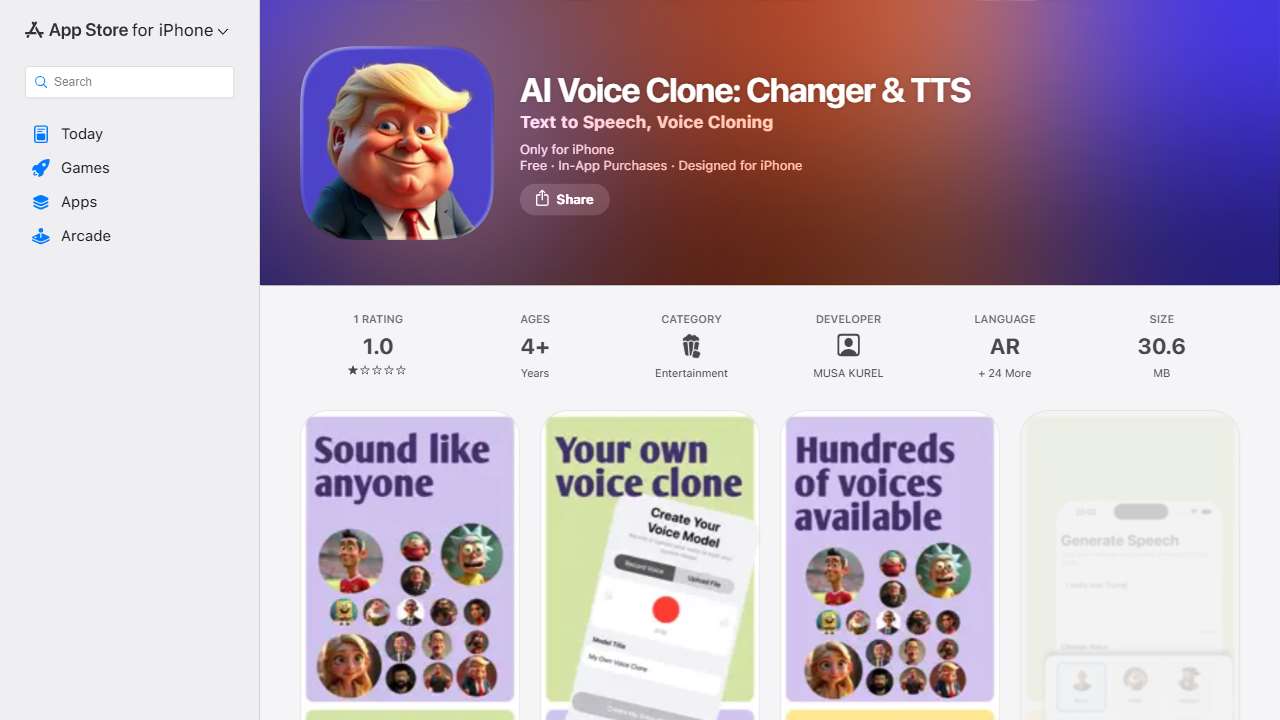
Create content with custom or celebrity voices using AI cloning technology.
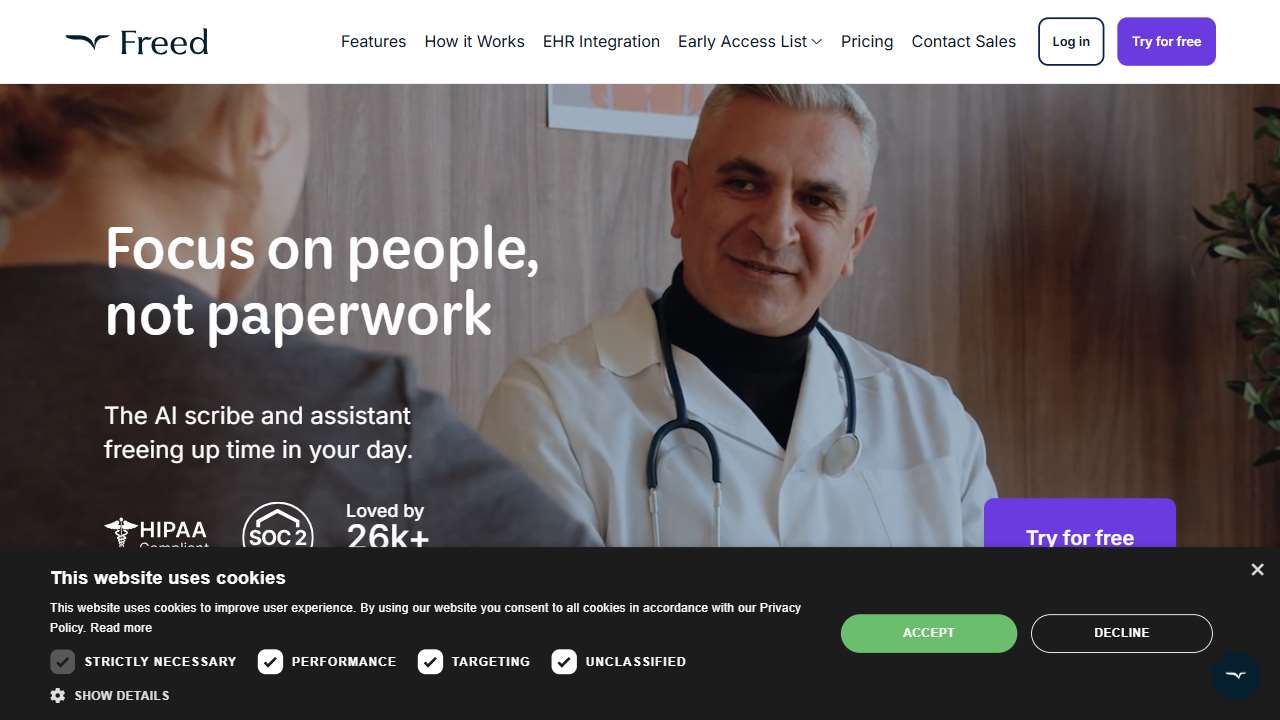
Reduces documentation time up to 95% while maintaining accuracy.
Streamlines contract management to ensure compliance and reliability.
When deciding which provider to adopt, focus on those publishers that include explicit, easy‑to‑read clauses for commercial usage. In many cases, the presence of a dedicated “Commercial Use” FAQ, or a contract-friendly license like “Royalty‑free for all use cases,” signals a provider that values business clarity and trust.
Secondary Options and Gaps in the Market
Some providers do not provide enough detail in their terms, requiring potential users to scan dense legal jargon or contact support directly. Services such as CreatOK and CloneGen AI mention paid plans but leave open questions about downstream distribution rights. If your project involves complex licensing needs—like embedding cloned voices in a subscription service or a public‑facing app—consider a provider that offers a simple, italicized “commercial usage” statement.
Another factor is data privacy. CapeChat highlights encryption and redaction, which is valuable if you plan to host user‑generated pseudorandom voice models. Even though it offers an AI clone feature, its privacy focus may indirectly influence the trustworthiness of its usage terms, especially when paired with third‑party data.
Final Takeaway: Pick Clear‑Policy Solutions for Risk‑Free Commercial Deployment
The AI voice cloning industry is still evolving, but certain providers stand out for their drafting of clear, consumer‑friendly commercial policies. By selecting services that explicitly grant broad usage rights, provide straightforward attribution terms, and maintain transparent contracts, businesses can leverage voice cloning while mitigating legal headaches. Remember to review each contract clause closely—particularly concerning “resale,” “derivative works,” and “third‑party content.” As the market matures, we anticipate more providers will adopt plain‑English terms that match the fast‑paced needs of commercial creators.