I Created a Brand Voice with AI
I wanted my brand to stand out, so I explored AI tools to craft a unique voice for my messaging. Here’s how I used these services step by step.
Why a Brand Voice Matters
In an era where authenticity and differentiation are key, a brand voice becomes the invisible thread that ties every customer touchpoint together. It conveys personality, establishes trust, and, most importantly, creates a memorable narrative that resonates across channels.
From the tone of ad copy to the language of customer support transcripts, a consistent voice helps customers instantly recognize your brand. It not only facilitates better engagement but also deepens emotional connections, turning casual visitors into loyal advocates.
Ultimately, an effective brand voice amplifies marketing efforts, drives conversion rates, and supports long‑term brand equity by ensuring every interaction feels familiar, confident, and purposeful.
Understanding the Voice Creation Process
Crafting a custom brand voice with artificial intelligence involves several distinct phases: discovery, design, training, and deployment. The first step is to define core values and target personas, translating those insights into voice attributes such as tone, pacing, and lexical choices.
Once the voice blueprint is established, the next stage is to curate or synthesize audio data that aligns with the desired characteristics. AI models trained on this curated dataset learn to replicate the nuances of each brand‑specific vocal quality.
Finally, the voice model is integrated into the brand’s content pipeline—whether for voice‑overs, chatbots, or podcast narration—ensuring seamless deployment across all multimedia assets.
Choosing the Right Tools
The market is rich with AI voice platforms, each offering unique capabilities that cater to different business needs. From fully custom AI voice creation to voice cloning of famous speakers, the choice hinges on the level of personalization required, ease of integration, and cost.
Below is a curated selection of tools that can help you build a tailored brand voice, complete with pricing options, descriptions, and quick access links.

Voximplant Speech Kit: A powerful toolkit for creating interactive and engaging voice applications.
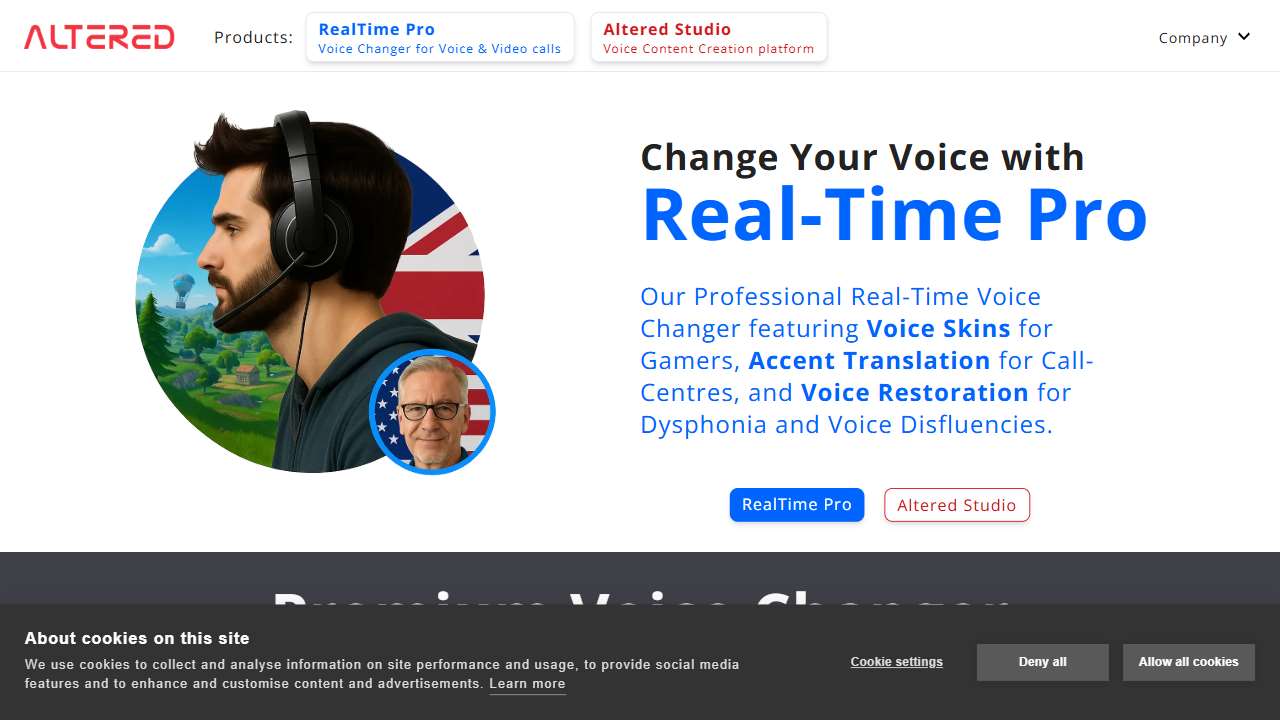
Change your voice with professionally curated voices for any application.
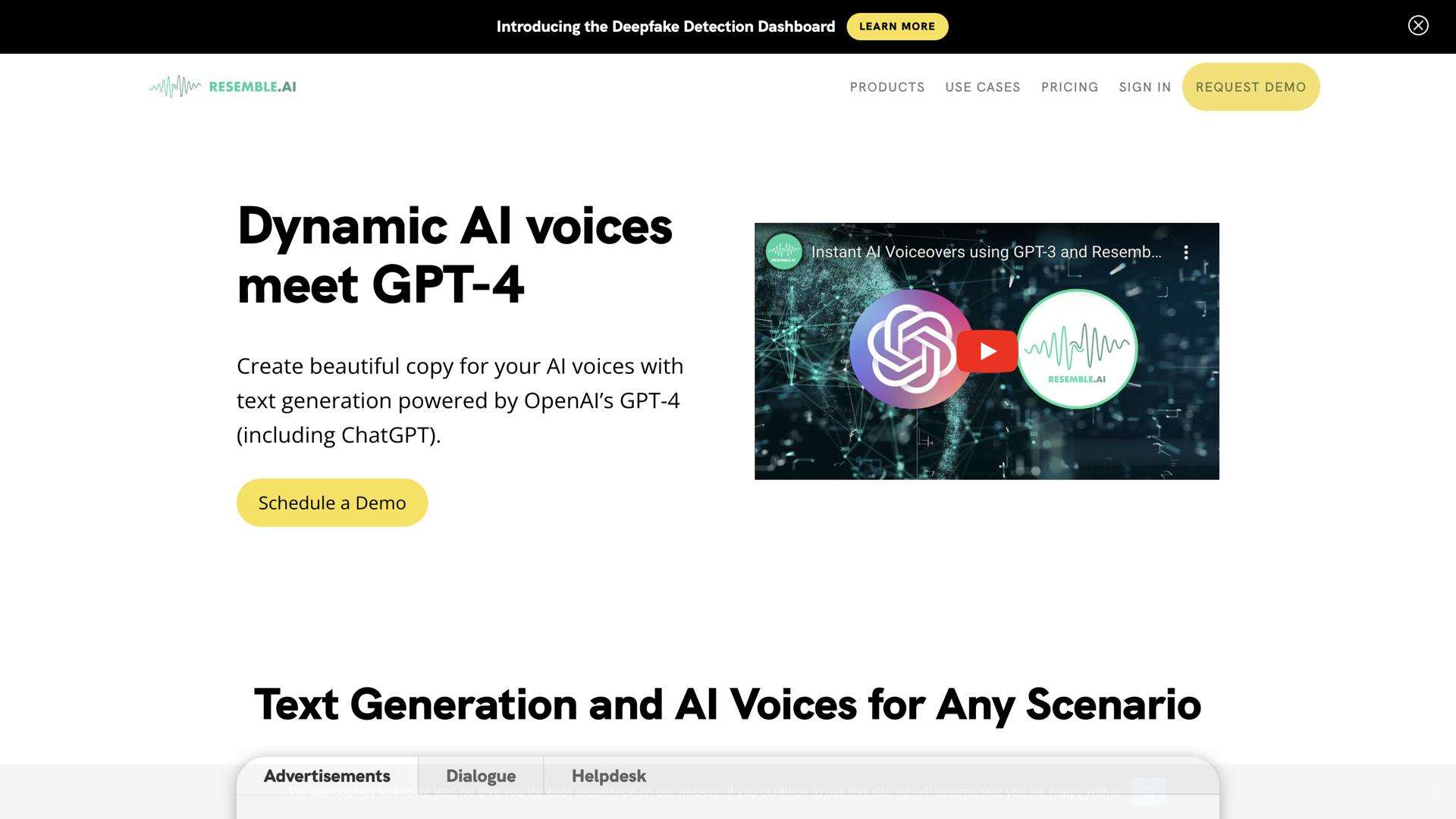
Create realistic AI voices with GPT-3. Generate high-quality audio for your projects quickly and easily.
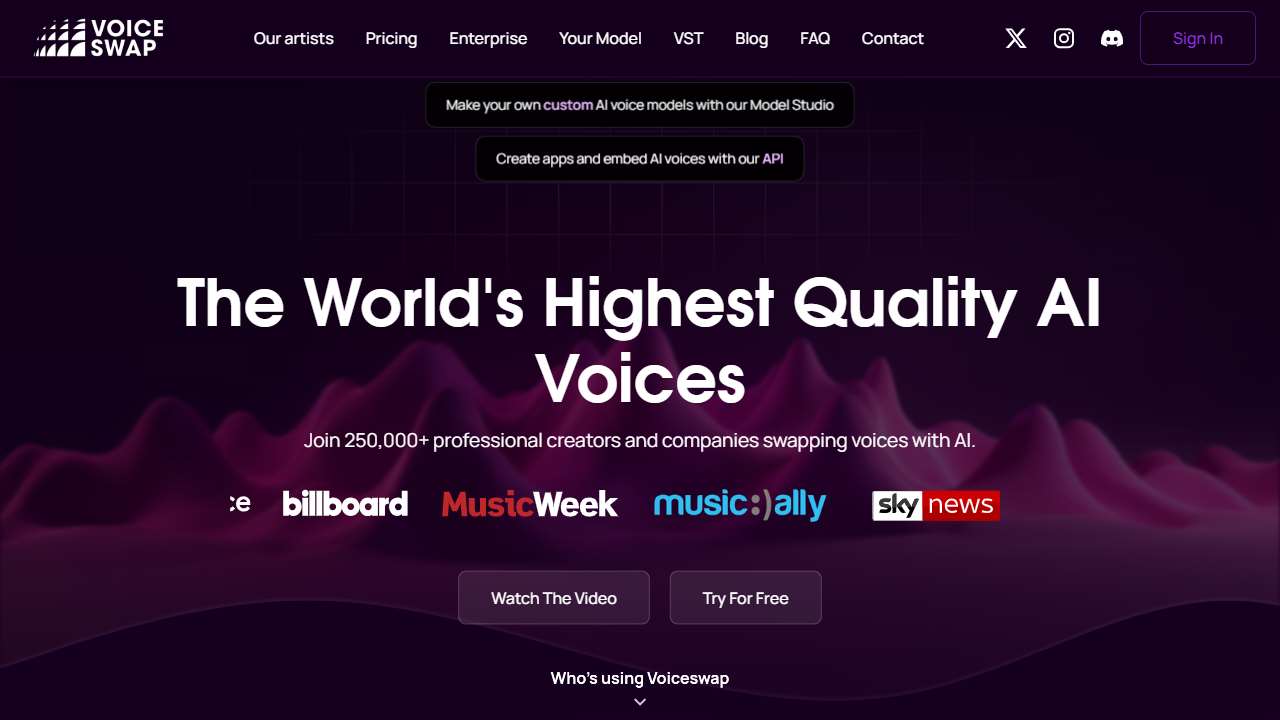
Transforms vocals to mimic popular artists, enabling legal demo creation with AI models.

Voices AI: AI-powered voice generator for realistic speech from text, ideal for various applications.
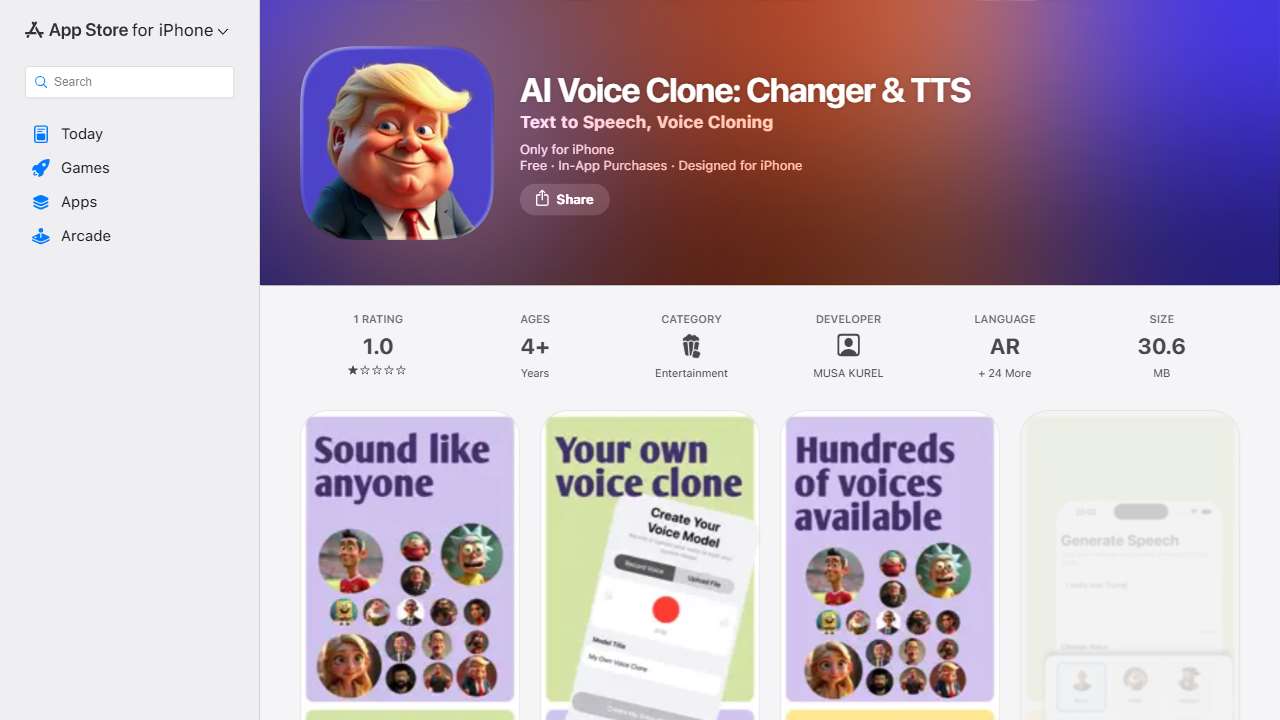
Create content with custom or celebrity voices using AI voice cloning technology.
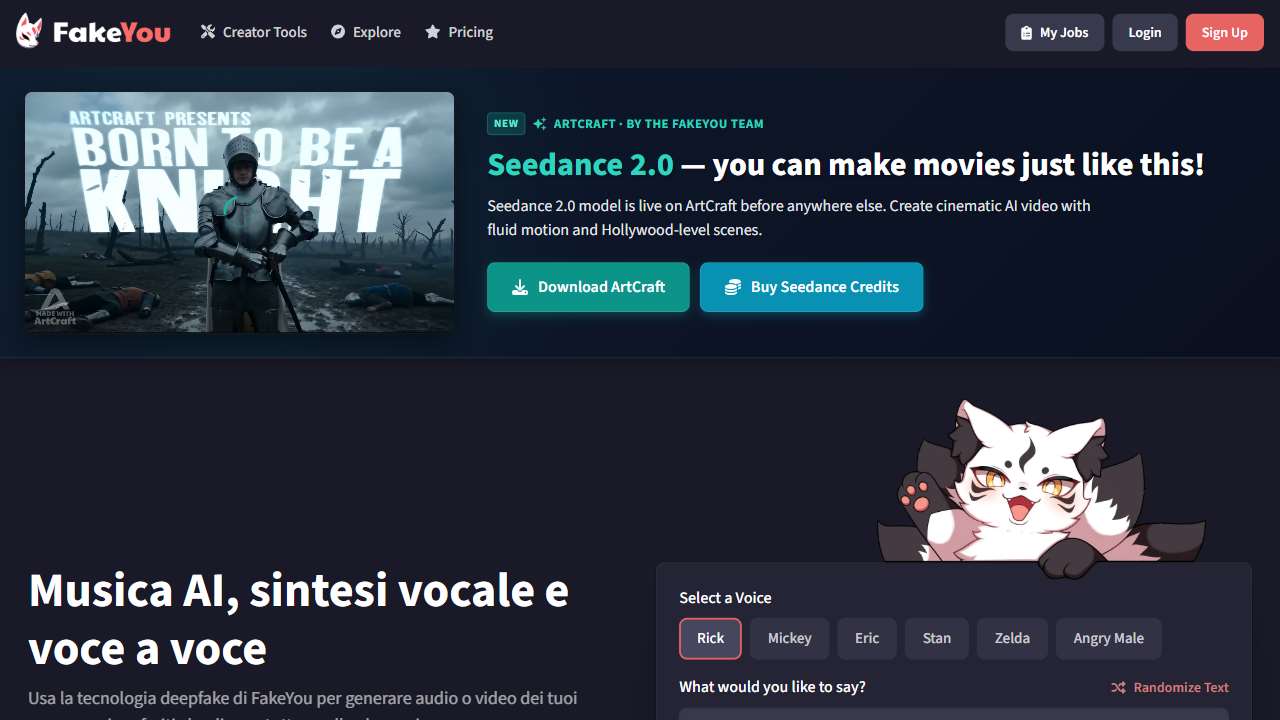
Create a custom voice clone for various applications, including music, videos, and streaming.

Use AI to change your voice, create new voices, or clone existing ones.
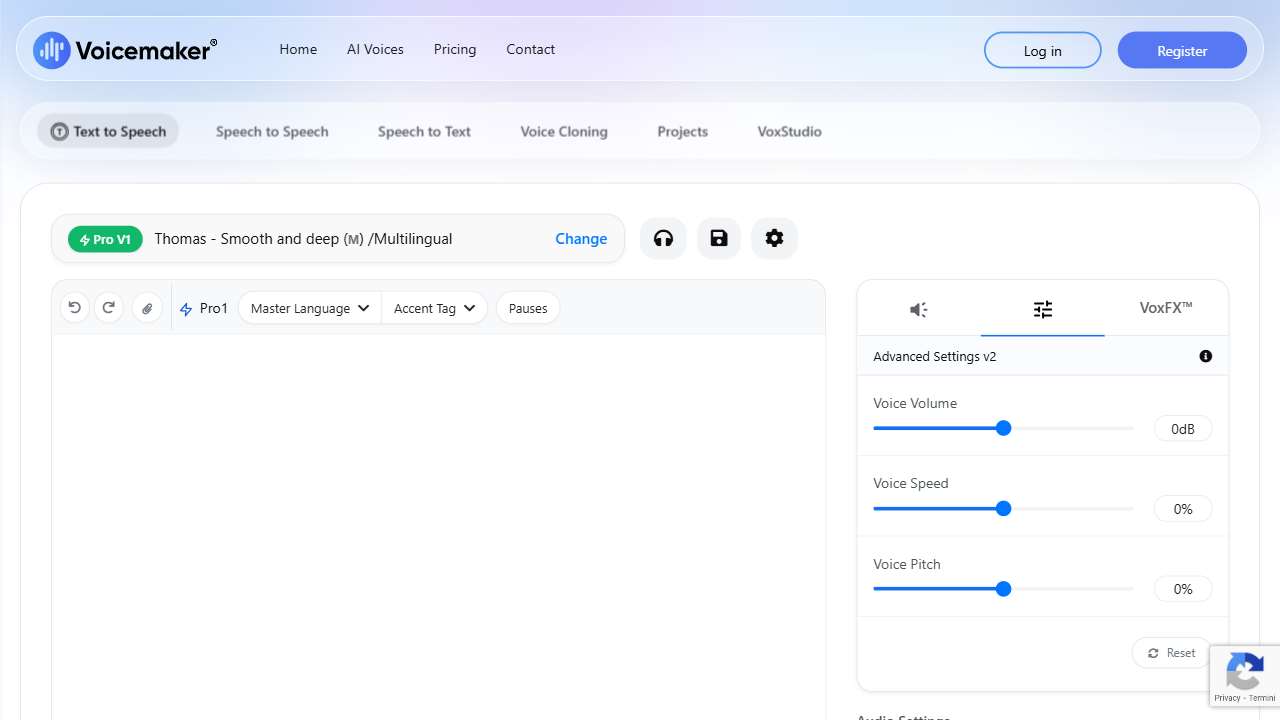
Create professional, natural-sounding voiceovers easily.
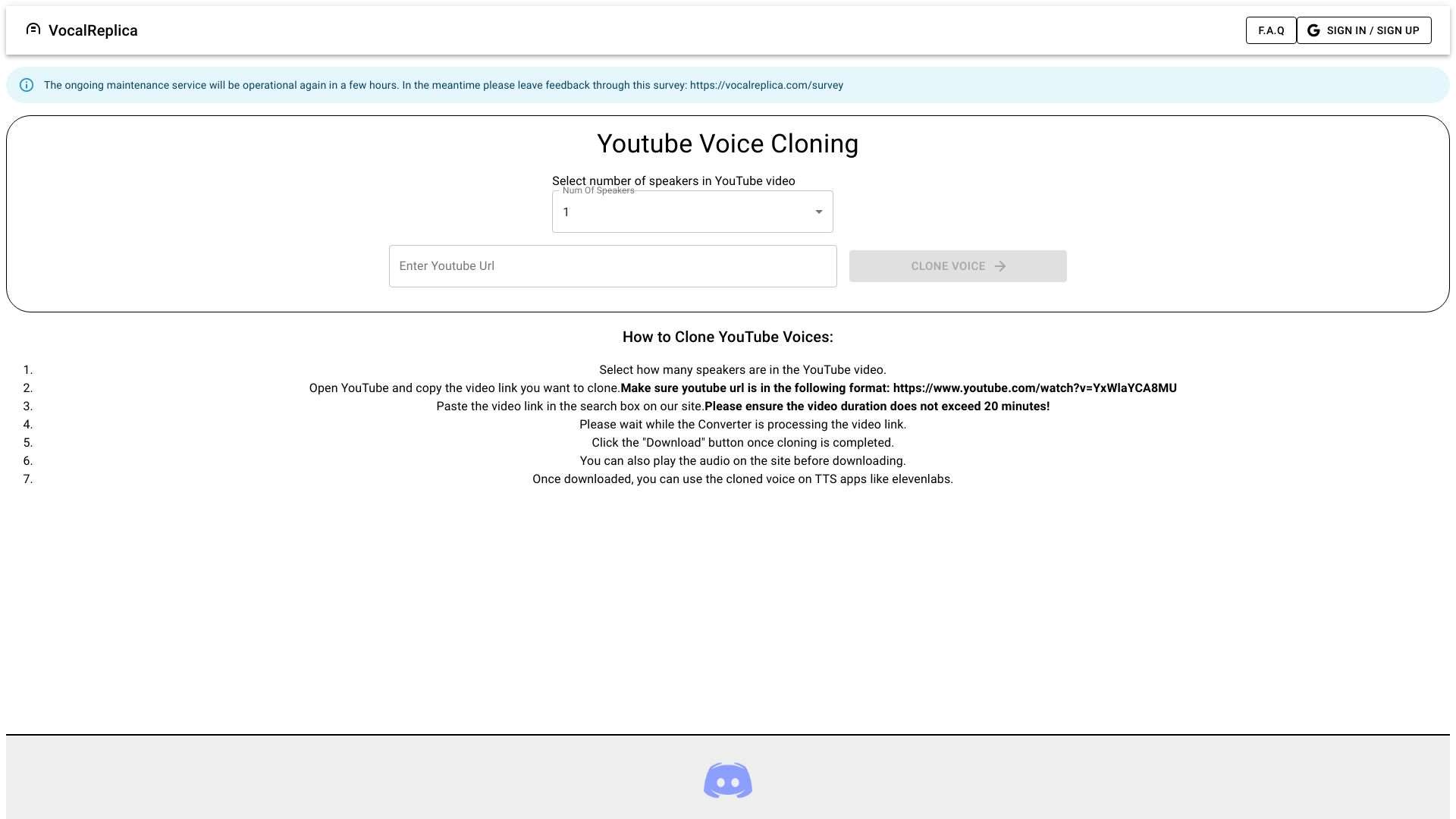
VocalReplica: Website offering voice cloning services, specializing in replicating voices from YouTube videos.
Implementing Your Custom Voice Across Channels
Once the voice model is ready, the next challenge is deploying it consistently across all customer touchpoints. Voice‑over scripts can be standardized using AI‑driven tone analysis to ensure each line conforms exactly to the brand persona.
Chatbots and virtual assistants benefit from real‑time voice generation that mirrors human empathy, while podcasts and video presentations gain authenticity by using the same voice tone as marketing copy.
Integration is simple with APIs: most platforms offer REST or SDK options that allow you to feed text and retrieve synthesized audio on the fly, making automation a breeze.
Measuring Impact and Refining
After launch, track metrics such as engagement time, conversion rates, and brand recall. A/B testing different voice variations can reveal subtle preferences that influence audience perceptions.
Key Performance Indicators
- Average listening duration per session
- Click‑through and conversion rates on voice‑enabled calls-to-action
- Net Promoter Score changes linked to voice refinement
Use insights from these KPIs to tweak pitch, pace, or even the emotional tone of your brand voice, ensuring it remains fresh and relevant.
Conclusion
Building a custom brand voice with AI combines strategic intent, technical precision, and thoughtful deployment. By selecting the right tools, embedding the voice across platforms, and continuously iterating based on data, brands can unlock a powerful narrative engine that elevates every customer interaction.