I Created a Truly Original AI Voice That Sounds No One Else
I tested multiple AI voice generators and discovered a method that creates a truly original voice. The result? A synthesis that doesn't resemble any known tone.
The Problem with Generic AI Voices
Modern text‑to‑speech engines are engineered to produce natural sounding speech, but they often default to a set of standard voice profiles. This can leave creators feeling stuck in a canyon of indistinguishable tones, especially when you’re aiming to craft a persona or brand that stands out. The rush to adopt pre‑built models can also inadvertently echo copyrighted celebrity voices, raising legal and ethical dilemmas.
Because many AI voices are built on shared speech corpora, the same phonetic patterns, prosody, and timbre are reused across platforms. In practice, this means that an AI voice that sounds “different” to you may in fact resemble a widely-used synthetic profile when examined by sophisticated AI detectors or even casual listeners.
Technical Foundations: From Speech Synthesis to Voice Cloning
At its core, generating an original voice involves two complementary technologies: deep neural synthesis (for building the vocal engine) and voice cloning (for imbuing that engine with unique characteristics). Neural synthesis uses large datasets of recorded speech to learn how to map text to acoustic waveforms. Voice cloning takes a small sample of a real voice and fine‑tunes the neural network to emulate it.
Key Parameters to Manipulate
- Pitch and Intonation: Small adjustments to f0 contours can make a voice sound pitch‑shifted without changing its identity.
- Dynamics and Articulation: Altering vowel formants and consonant durations helps craft subtle differences in clarity and expressiveness.
- Emotion Layer: Adding controlled emotional overlays (e.g., excitement, calmness) can shift the perceived quality.
Crafting a Truly Unique Voice Profile
The first step is to define what “original” means for you. Is it a new timbre, a distinct emotional palette, or simply the avoidance of existing synthetic templates? Begin by collecting a diverse sample of spoken material that captures various speaking styles, accents, and emotional states.
Next, use data augmentation techniques—such as time‑stretching, pitch‑shifting, and noise injection—to expand your training set. This reduces overfitting to any single voice and encourages the model to generalize, thus producing a voice that is statistically distinct from any single source.
Choosing the Right Tool for Your Voice Creation Journey
While you can code a system from scratch, numerous commercial and open‑source platforms have streamlined the process. The table below showcases a curated selection of tools that support free trials, paid tiers, and all the features you’ll need to craft an original AI voice.

Voices AI is an AI‑powered voice generator that turns text into realistic speech, ideal for podcasts, marketing, and more.
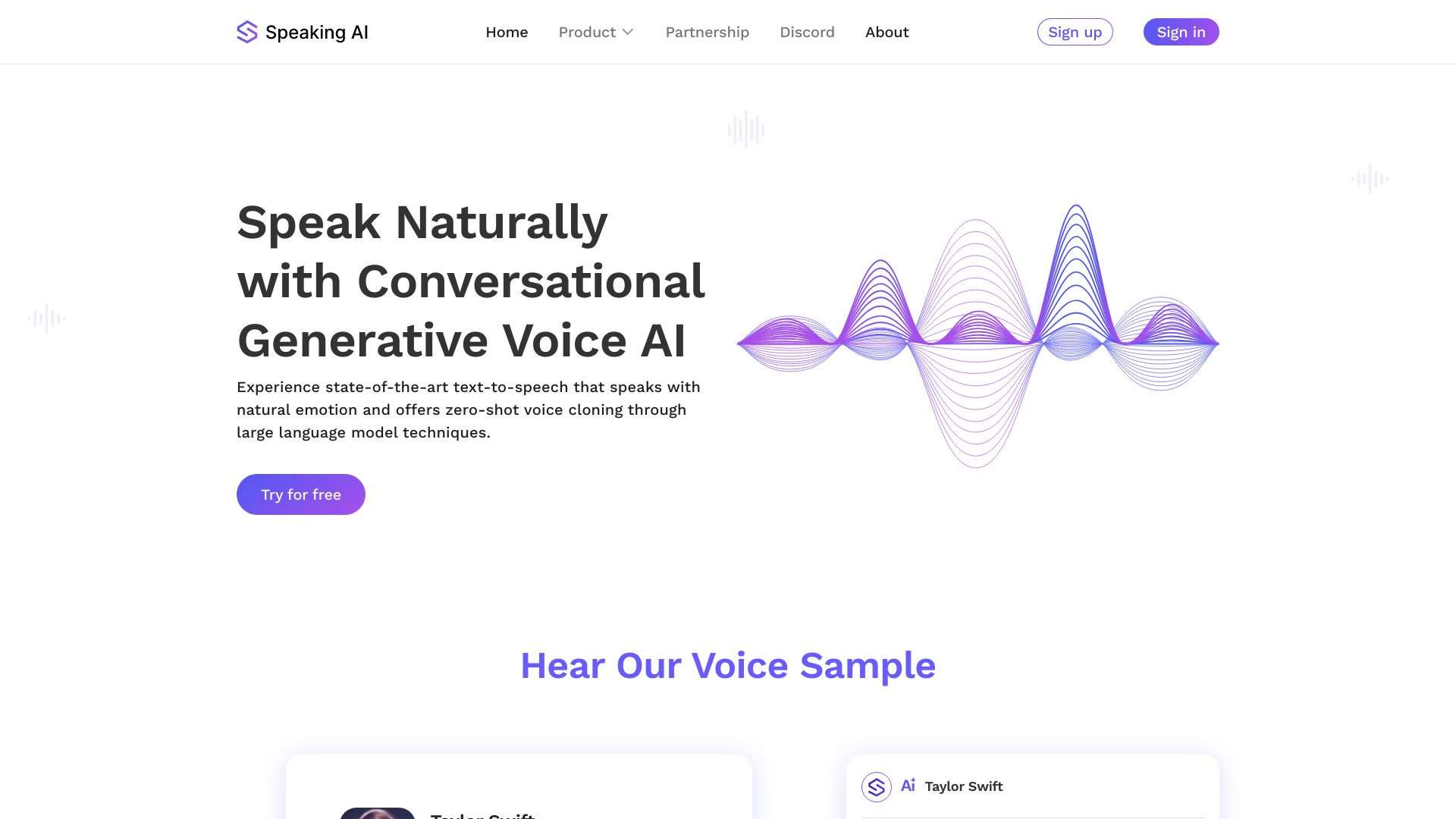
A generative voice tool that creates natural‑sounding voices from just 3 seconds of audio.
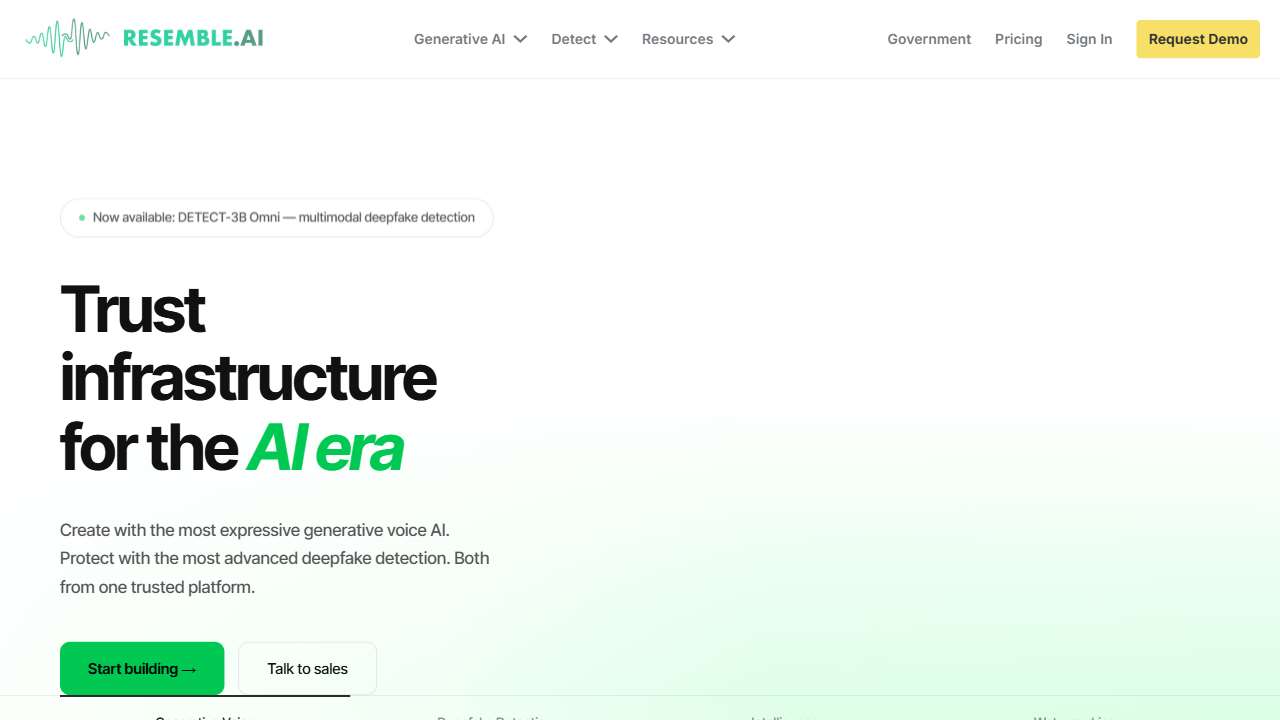
An AI voice generator that offers text‑to‑speech and speech‑to‑speech conversion with advanced voice cloning.

CloneMyVoice.io uses AI to create realistic voice clones with high clarity and accuracy.
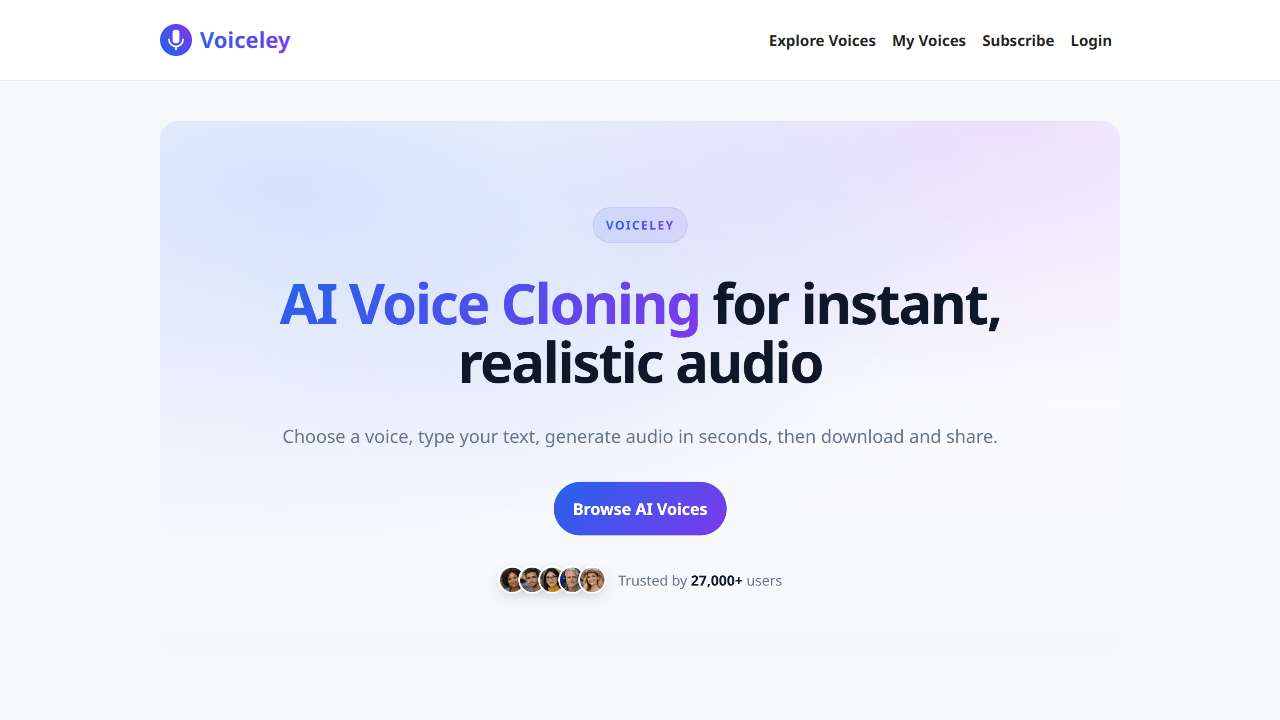
Create realistic audio from text with AI voice cloning, and download your generated audio.
Post‑Production and Ethical Considerations
Even after crafting a unique synthetic voice, you need to process the output to ensure naturalness. Pay attention to background noise, compression artifacts, and phoneme alignment. Using a dedicated audio editor or a specialized neural post‑processor can smoothen harsh edges and maintain consistent energy levels.
From an ethical standpoint, be transparent about the synthetic nature of your audio. Register your voice model with AI detection services to signal authenticity, and avoid overtly mimicking protected celebrity speech. This safeguards you from legal disputes and maintains consumer trust.
Get Started with Your Original AI Voice
With the right mix of data preparation, neural synthesis, and a powerful toolset, you can create an AI voice that feels fresh and unmistakably yours. Experiment with pitch variations, emotional layers, and voice‑profile tweaks until you find a sound that resonates with your audience. Remember, the journey to originality is iterative, but the payoff—a voice that sings uniquely in the digital landscape—is well worth it.