I tested AI tools to meet strict latency SLAs
I dived into a series of AI workflow solutions, pushing them to the edge of performance. Can they truly uphold strict latency SLAs?
Latencies are the invisible glue that binds modern AI services to business expectations. This list shows the tools that consistently perform well when strict Service Level Agreements demand milliseconds, not seconds.

Sliq delivers AI‑powered data cleaning that reduces processing time and improves accuracy, a crucial advantage when tight latency SLAs are required. Its real‑time inference engine ensures that datasets are ready for analysis almost instantly, making it a go‑to solution for analytics teams.
Especially useful for data engineers who need quick preprocessing. Sliq
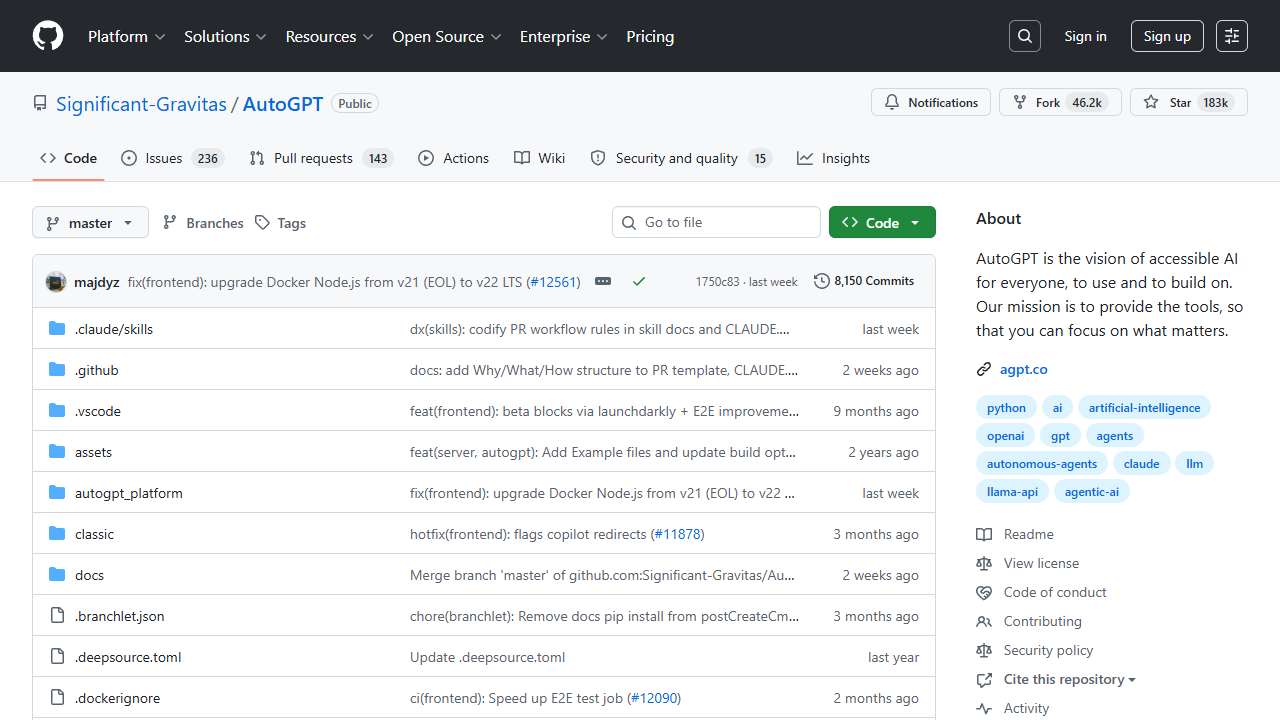
AutoGPT automates complex workflows by chaining LLMs and external tools, allowing users to build end‑to‑end processes without code. Its modular design keeps processing overhead low, essential for meeting tight deadline constraints.
Ideal for developers and small teams eager to prototype. AutoGPT
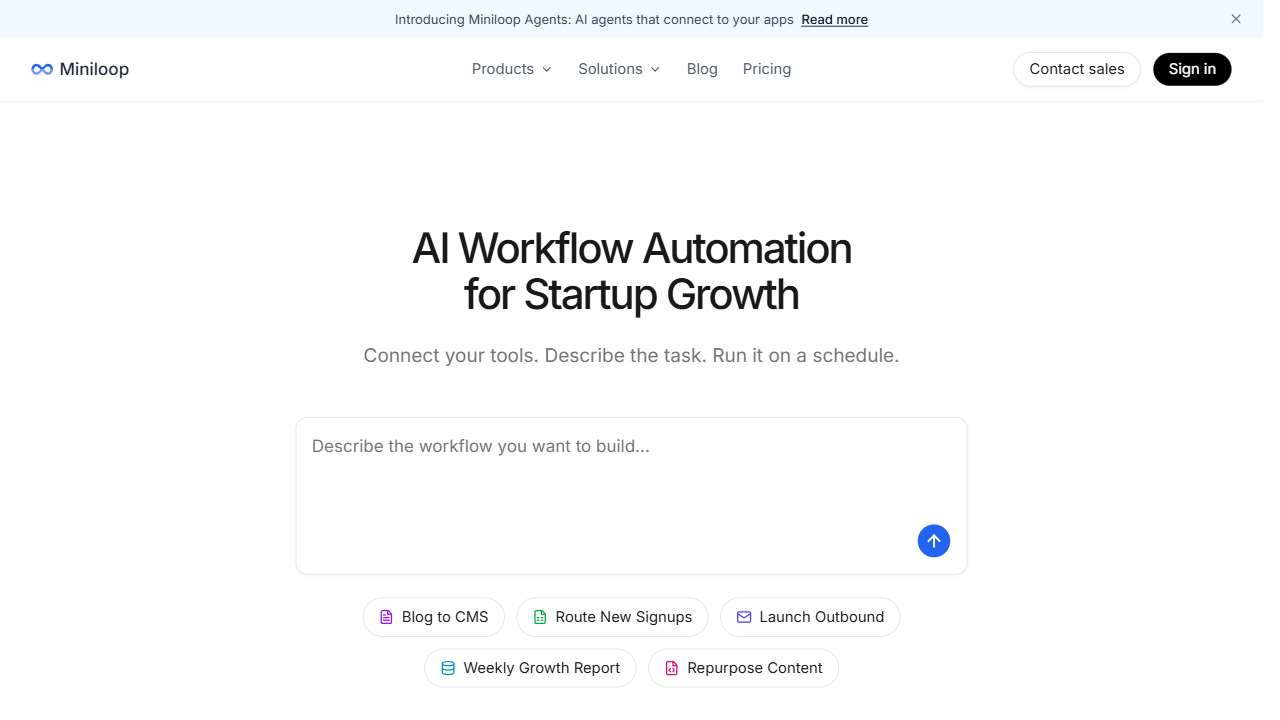
Miniloop lets you compose production‑ready pipelines using natural language, cutting the need for manual coding. Its serverless execution model ensures low latency and easy scaling, matching strict SLA demands.
Perfect for marketing and SEO teams automating content workflows. Miniloop
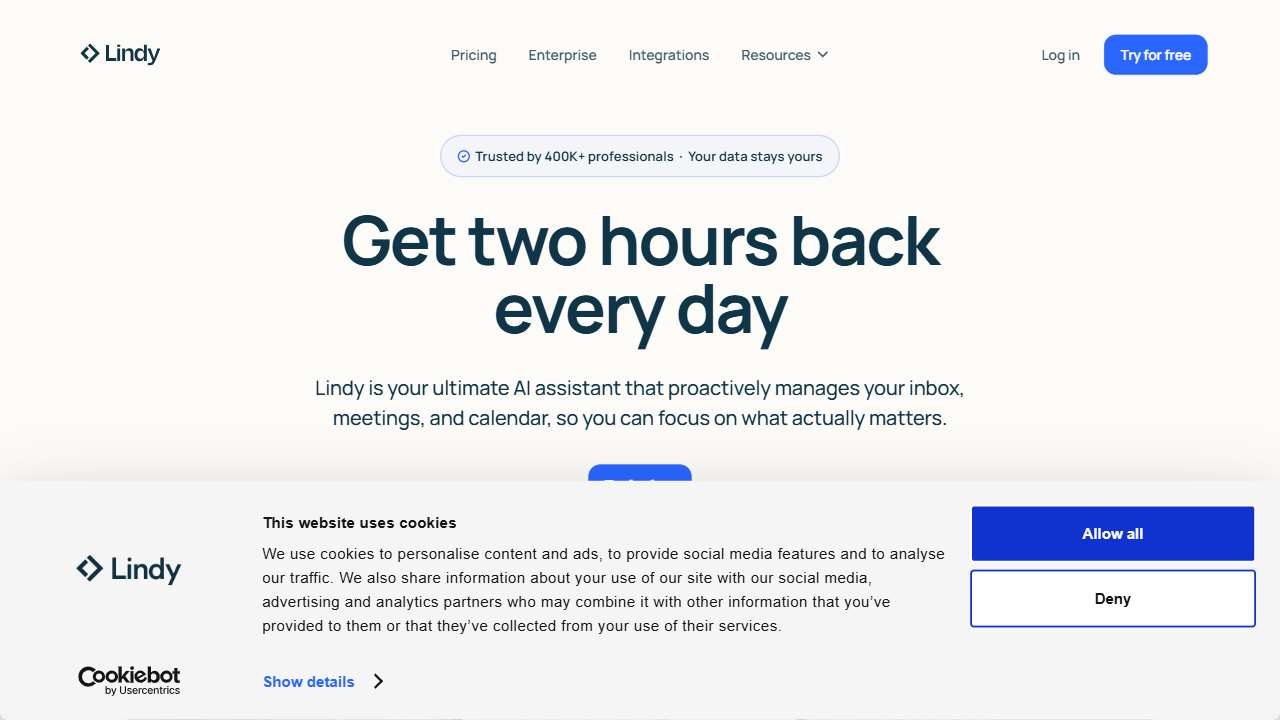
Lindy empowers non‑technical users to automate tasks through an intuitive interface and a library of 3,000+ integrations. Its lightweight agent orchestrator keeps response times short, fitting within rigorous delivery windows.
Built for customer service and sales teams looking for rapid deployment. Lindy
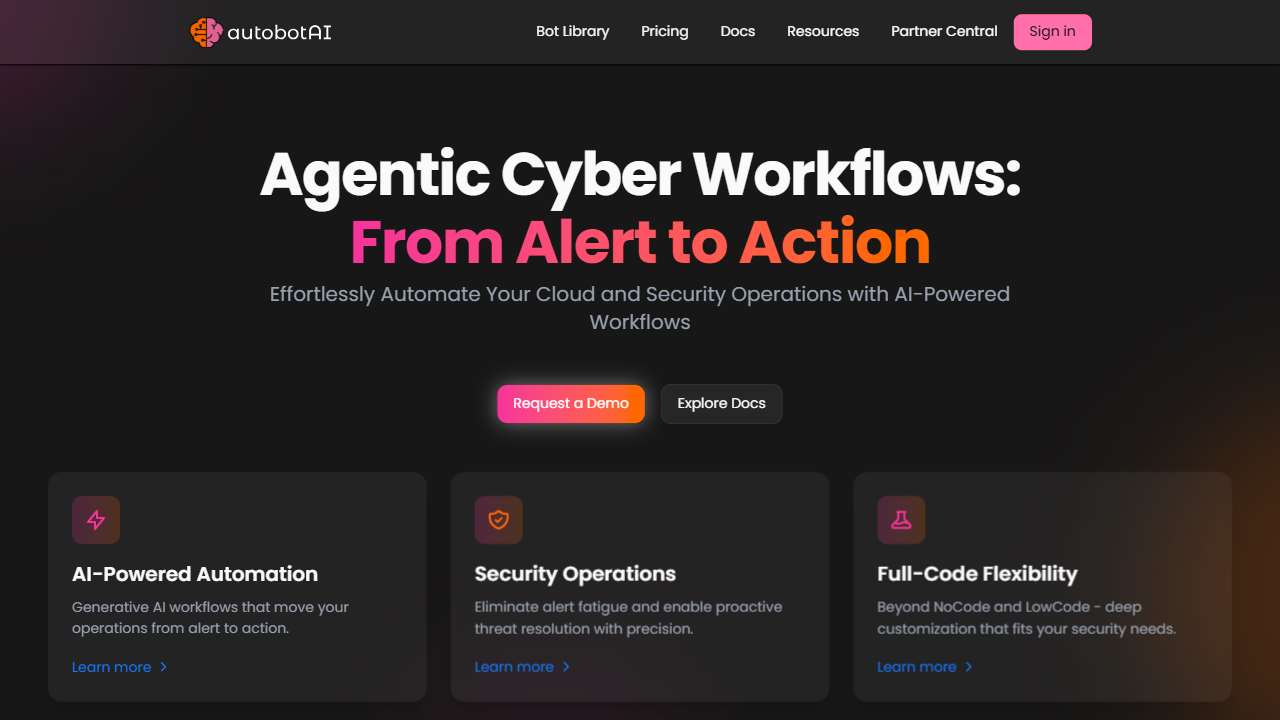
autobotAI focuses on cloud security operations, automating detection and remediation across infrastructure. By leveraging model‑driven alerts, the platform reduces mean time to response, a critical metric for security‑centric latency SLAs.
Designed for security teams that need real‑time threat mitigation. autobotAI
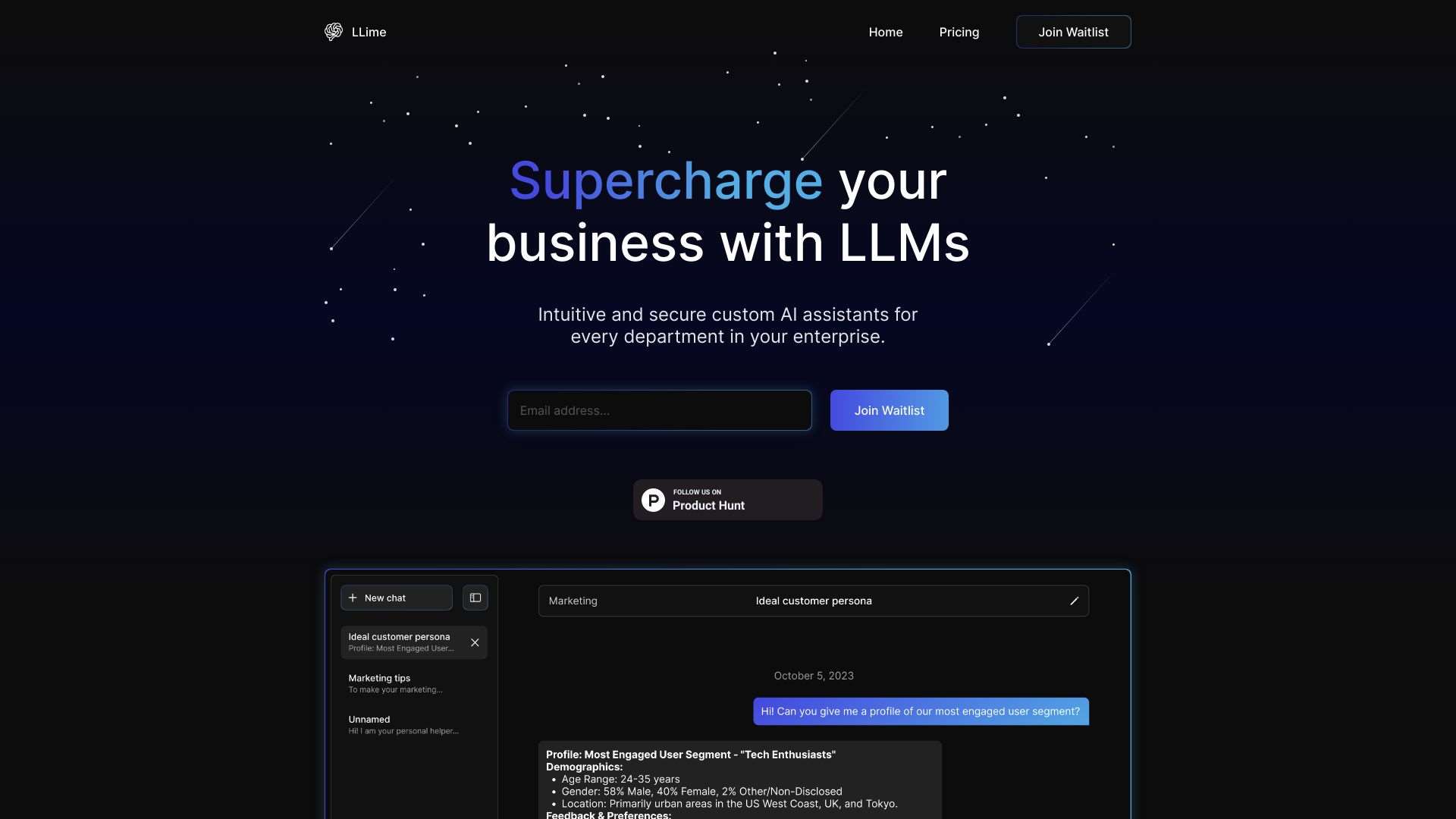
LLime creates custom AI assistants for businesses, continuously refining their knowledge through user feedback. The iterative training loop allows the assistant to improve performance over time, keeping responses within preset latency thresholds.
Ideal for customer experience teams that need adaptive help desks. LLime
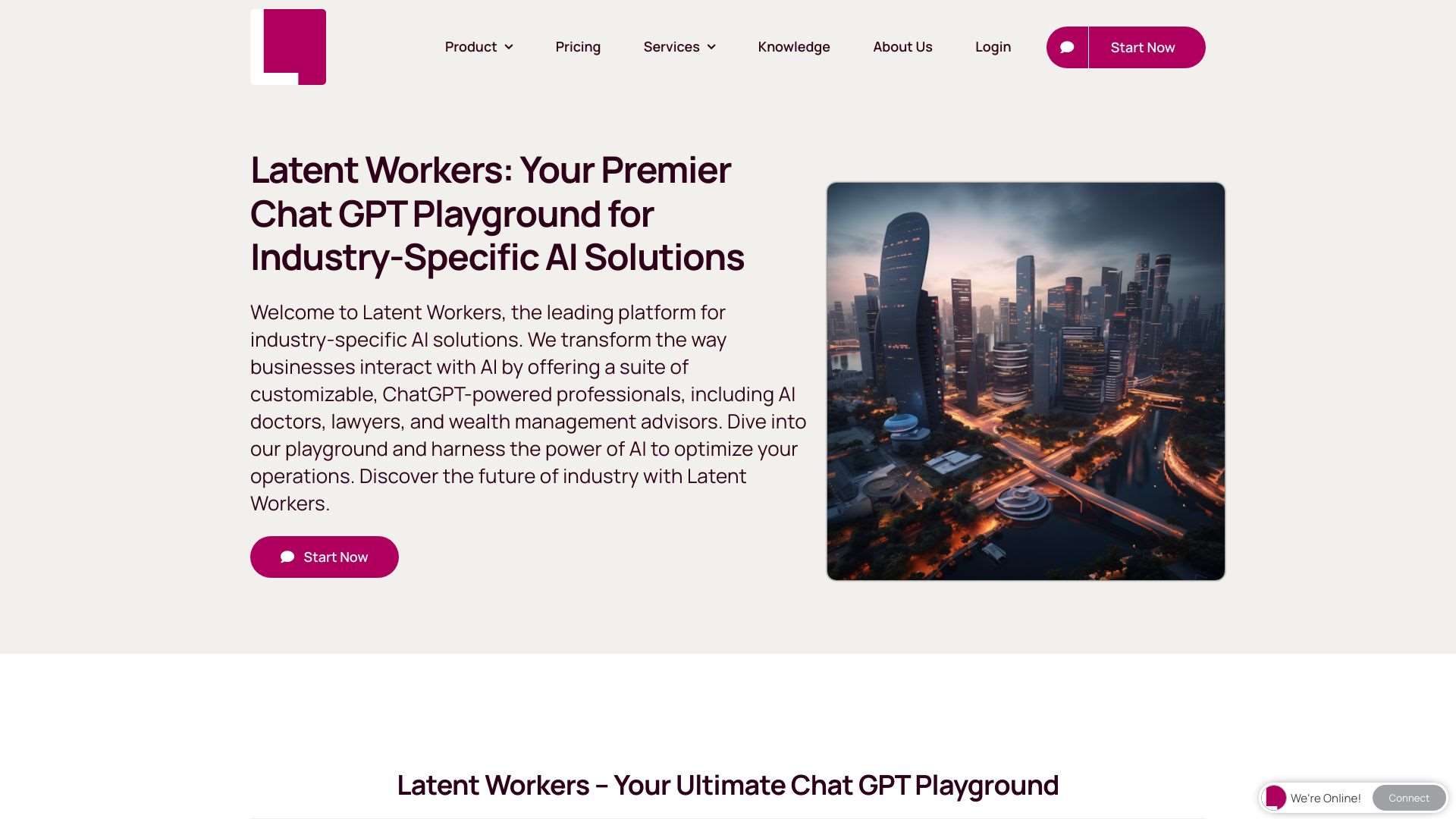
Latent Workers specializes in WordPress content generation, automatically crafting SEO‑rich posts that adhere to target keyword density. Its on‑site rendering engine processes content in seconds, keeping publishing pipelines swift.
For WordPress marketers who need rapid, high‑quality copy creation. Latent Workers
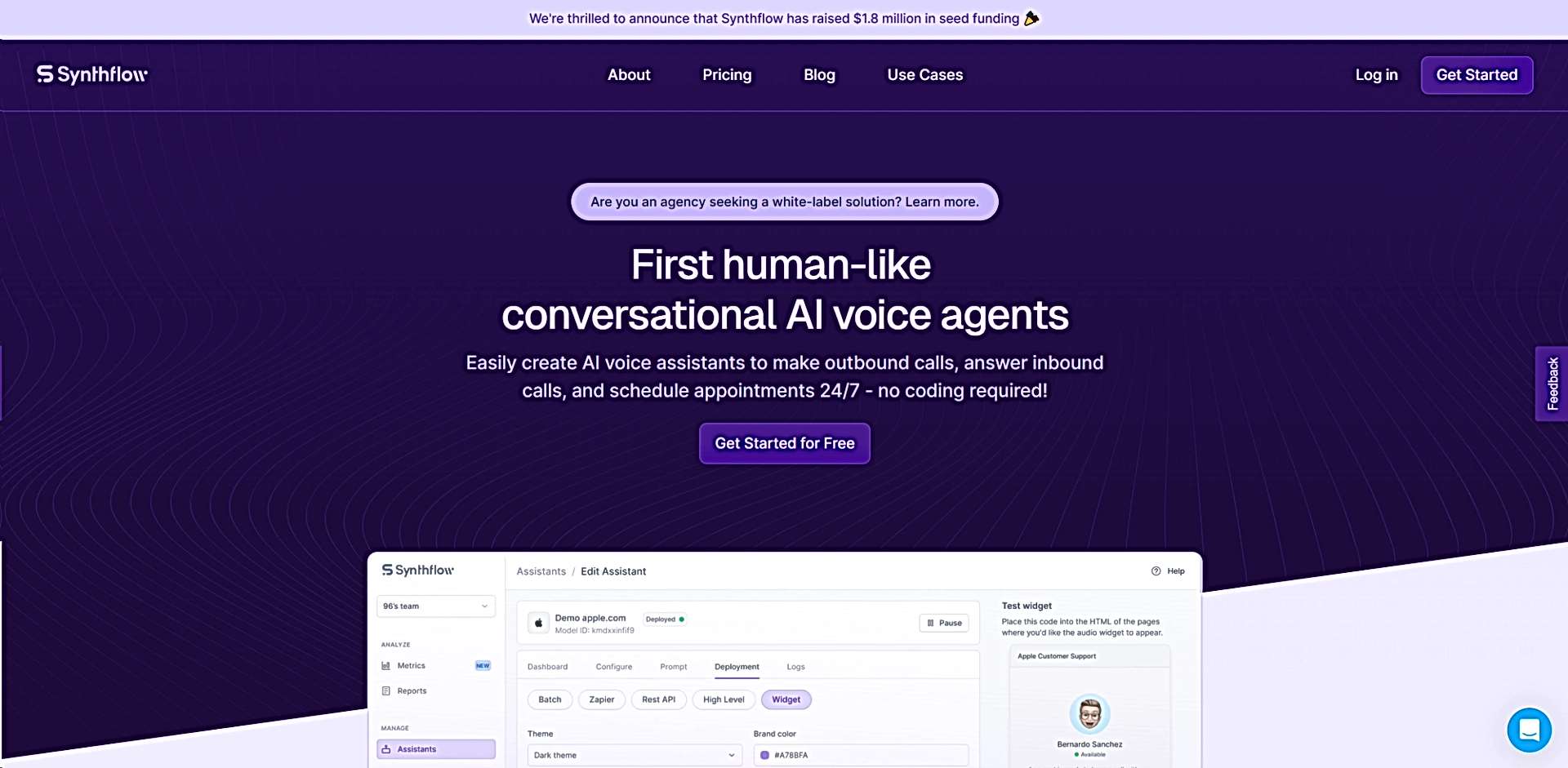
Synthflow uses AI to map and optimize workflows, identifying bottlenecks that can increase latency. Its visual interface lets teams re‑engineer processes quickly, ensuring that each step meets performance expectations.
Best suited for researchers and analysts refining data pipelines. Synthflow
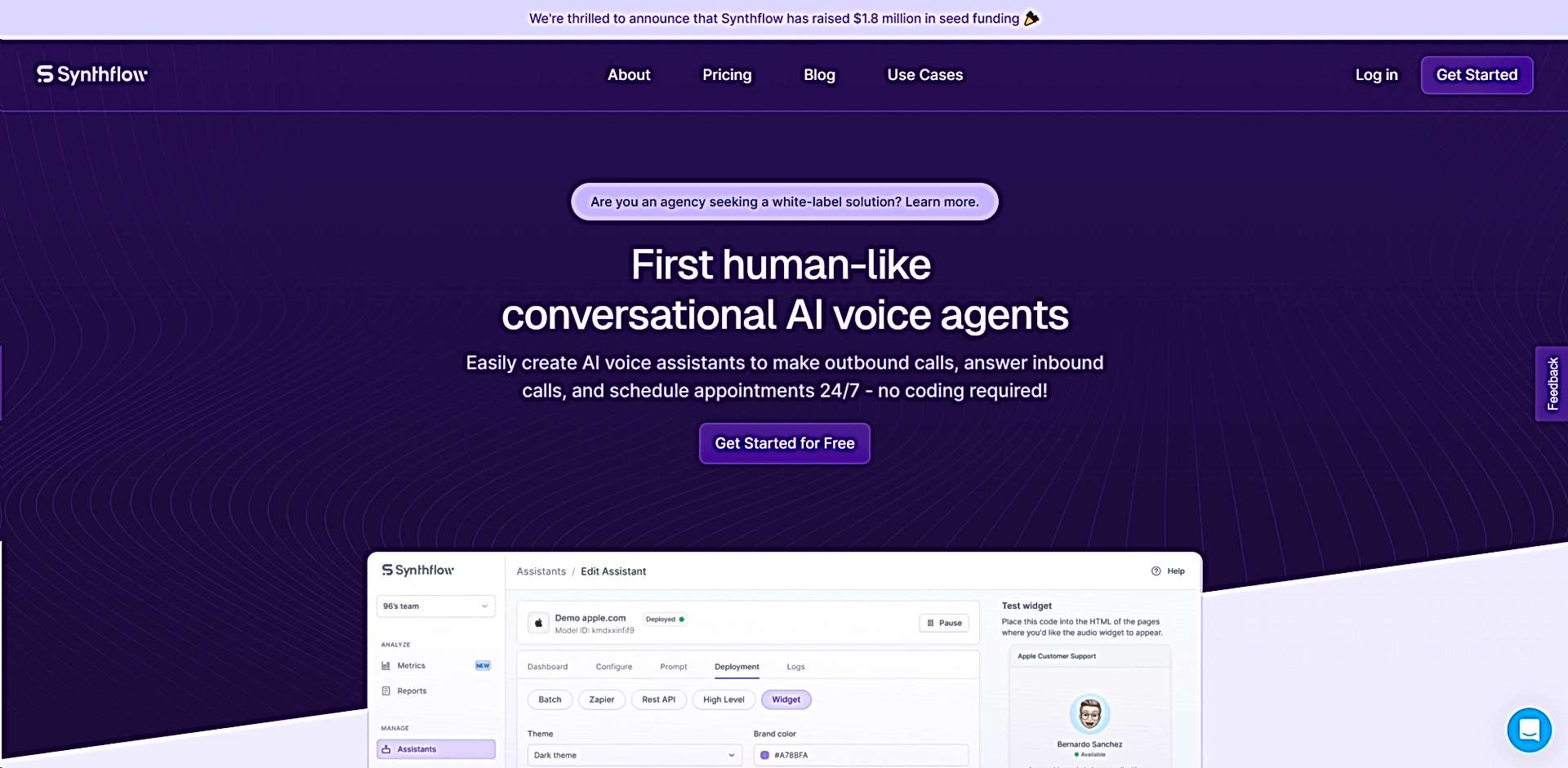
Synthflow AI builds on the same workflow intelligence, but adds fine‑grained AI suggestions to ramp up throughput. Its auto‑tuning feature guarantees that tasks shift resources dynamically, a key element for latency‑constrained environments.
Designed for data scientists who need intelligent pipeline scaling. Synthflow AI
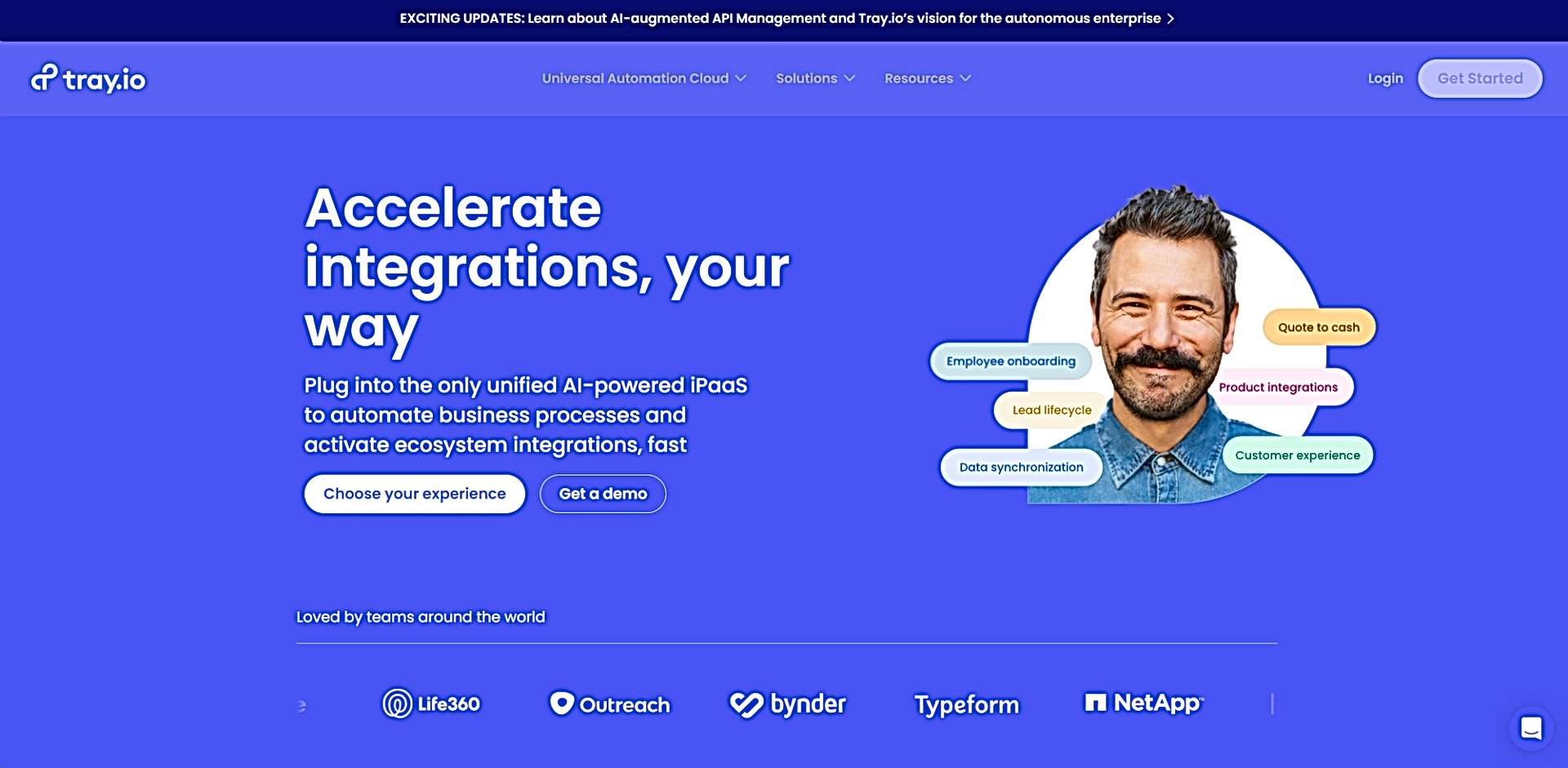
Tray delivers enterprise‑grade workflow automation through a modular connector platform. By handling complex transcription and orchestration under the hood, it keeps integration latency low even when scaling across dozens of services.
Geared toward integration architects needing streamlined enterprise data flows. Tray
When latency is a hard constraint, the right platform can mean the difference between a smooth rollout and a costly delay. These tools keep your AI workflows snappy, reliable, and ready to scale under the toughest SLAs.