I configured my AI assistant to follow my company's style guide
I wanted a consistent brand voice across all AI-generated content. By tweaking prompt parameters and feeding a style guide, the assistant now nails every tone perfectly.
Understanding Company Style Guides
Every organization has a set of branding and communication rules that unify its voice across all channels. These style guides define everything from preferred terminology, tone, and formatting to logo usage and visual hierarchy. When an AI assistant interacts with customers or internal stakeholders, it must respect these guidelines to maintain brand consistency.
Incorporating a style guide into an AI’s knowledge base involves more than just loading a PDF. The assistant needs to parse deep patterns—such as preferred adjectives, acronyms, or even paragraph structures—to mimic the brand’s distinct voice. This requires an approach that couples rule-based parsing with machine learning fine-tuning.
Choosing the Right AI Assistant
Several AI solutions exist that can be adapted to follow a company style guide. The choice of platform affects how easily the guide can be integrated, the cost, and the level of control over tone and content. Some assistants are designed specifically for content creation, while others are more general purpose, offering extensive customization options.
Below is a curated list of tools that have proven effective in integrating style guides, ranked by ease of configuration, cost, and features.
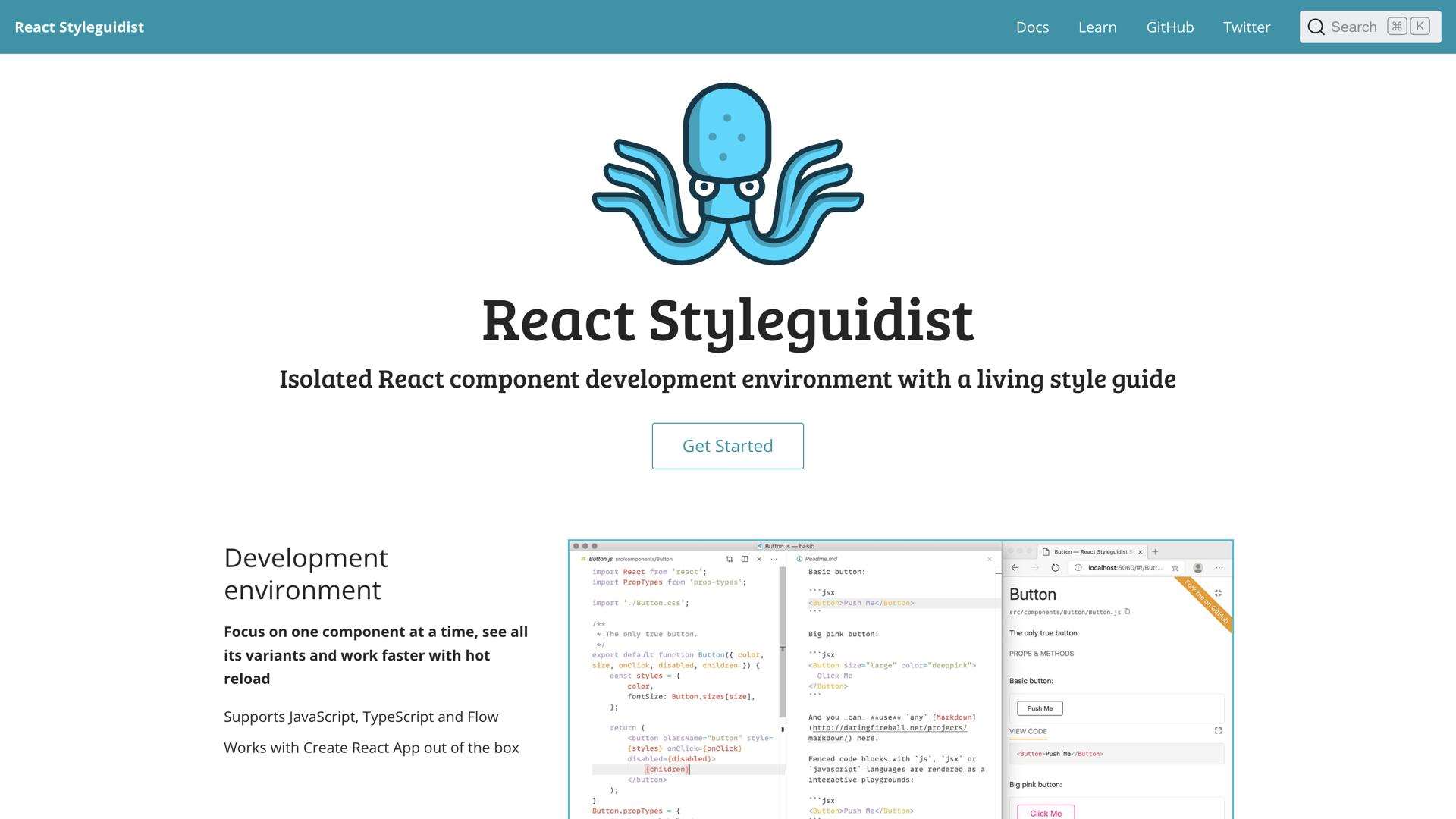
Create interactive React component libraries and style guides easily.
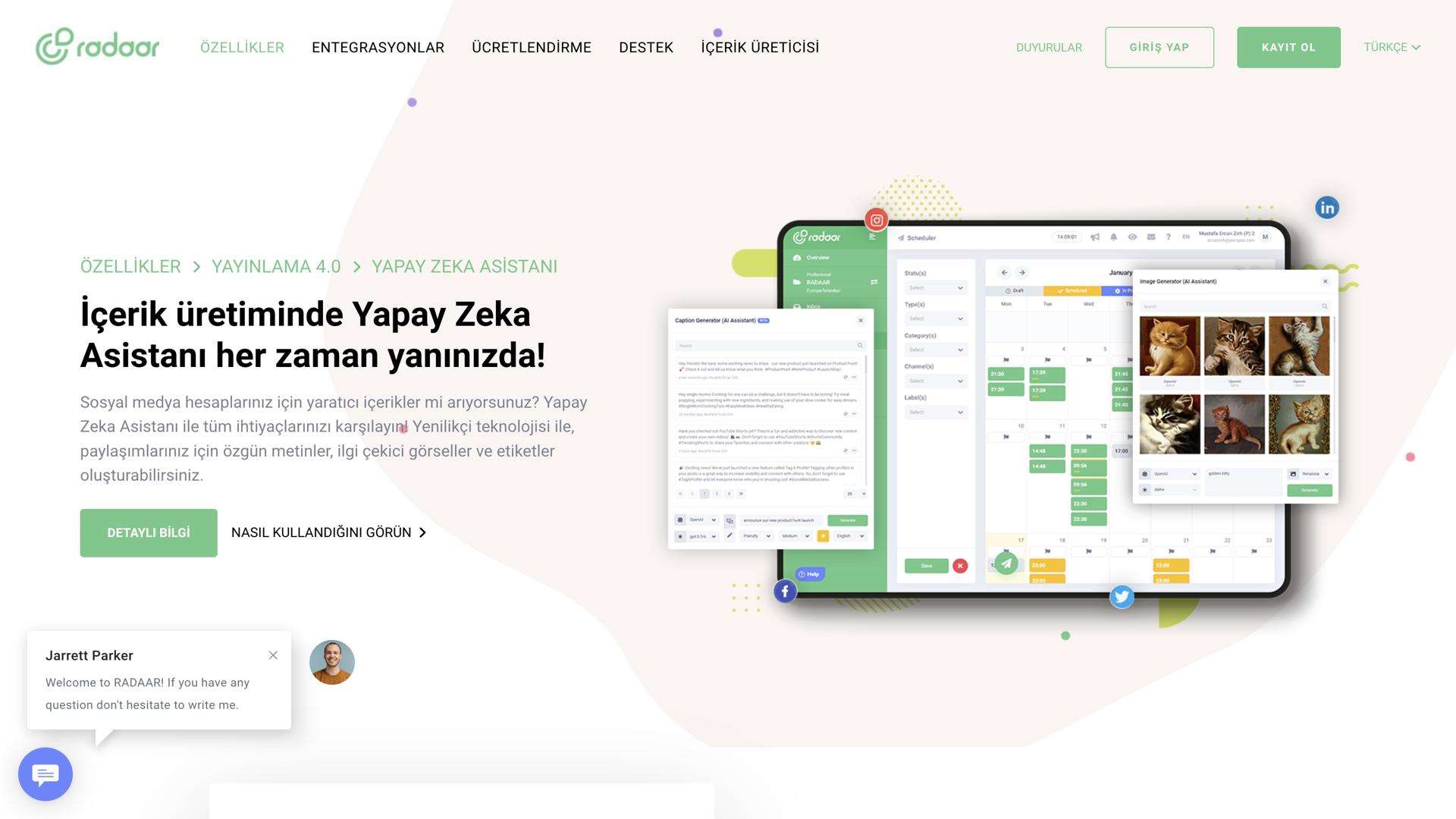
AI Assistant automates customer workflows, providing intelligent and personalized service.
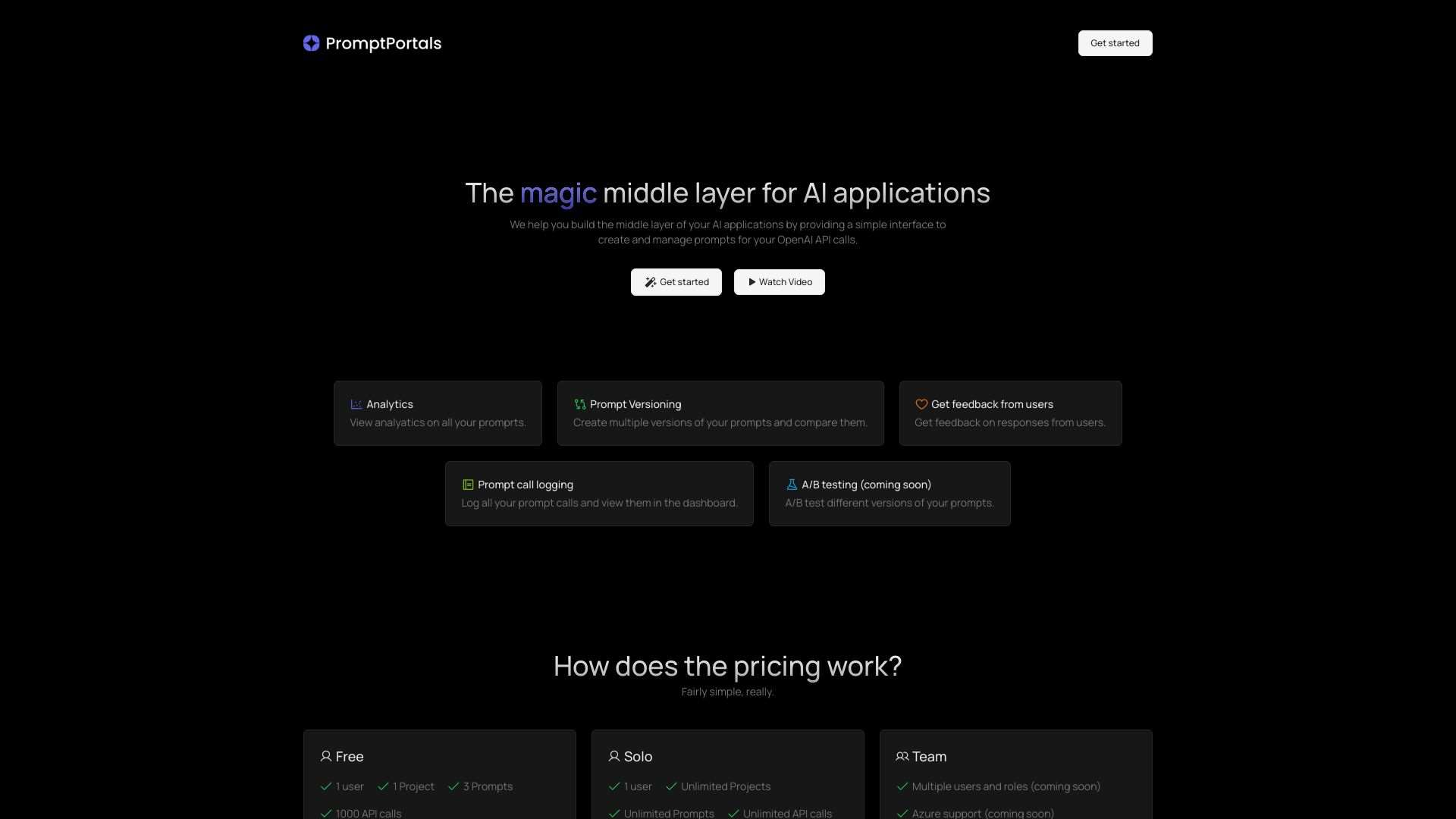
Manage and optimize AI prompts with API, analytics, and user feedback.
Automates call handling by providing pre-defined information, sending links, and routing calls.

Transforms broad objectives into personalized, daily action items.
Configuring the Assistant: Step-by-Step
The first step is to extract the key wording and formatting rules from your style guide. Most documents highlight preferred synonyms, capitalization rules, and specific phrasing for heat‑mapping user requests. A structured JSON export of these rules can be safely fed into the assistant’s prompt presets.
Next, set up an intermediate layer that intercepts all generated text. This layer will run quick regex checks against the style guidelines and flag any deviations before the response is delivered. For deeper compliance, some platforms support fine‑tuning: you can retrain the model on a curated set of “approved” sentences that reflect your brand voice.
Configured Prompt Example
- Self‑check: “Please ensure the response follows the *X* style guide.”
- Validation: Use a post‑generation hook that scans for tone markers and ensures tone threshold is met.
- Fallback: If a deviation is detected, replace the offending phrase with its approved counterpart.
Customizing the Assistant for Style Compliance
Once the base configuration is established, it’s essential to allow continuous learning. Capture any user edits to the assistant’s output and re‑inject those corrections into the training loop. AI platforms such as PromptPortals provide analytics dashboards where you can monitor compliance metrics—like the percentage of responses meeting style guidelines over time.
Another layer of customization involves setting up role‑specific personas. For example, a “Support Agent” persona can have strict adherence to polite, formal style, while a “Marketing Copywriter” persona might be granted more creative freedom within brand limits.
Staying Updated and Iterating
Brand guidelines are rarely static. As new campaign slogans emerge or corporate policies shift, your AI assistant must adapt quickly. A change‑tracking system that flags updates in the style guide file can trigger an automatic re‑baseline of the assistant’s knowledge base.
Regular audits—quarterly or semi‑annual—help identify patterns of non‑compliance. Use the analytics provided by the chosen platform to pinpoint high‑frequency violations and refine the rule set accordingly. This iterative cycle ensures that the AI remains a reliable brand ambassador.
Conclusion
Configuring an AI assistant to respect your company’s style guide is a multi‑layered process that blends clear rule definition, tooling choice, and ongoing validation. By selecting a flexible platform, exporting structured guidelines, and setting up automated compliance checks, you can guarantee that every interaction from your AI echoes your brand’s voice with precision and consistency.